EXPLAINEROrthodox and Coptic Christians don’t believe Jesus was born on a different day; they just use a different calendar.Published On 7 Jan 2026Millions of Christians, including those in Eastern Europe and across the Arab world, such as Palestine and Egypt, are celebrating Christmas today.Christmas Day commemorates the birth of Jesus Christ, who was born in Bethlehem.However, for these communities, which number about 250 million people, the most important day of the season is not December 25, but January 7. In this visual explainer, Al Jazeera illustrates what cultural and historical reasons led to this difference in Christmas celebrations.Why are there two Christmases?The reason some Christians celebrate Christmas on January 7 is not because they believe Jesus was born on a different day, but because they are using a different calendar.The difference in the timing of Christmas stretches back to 1582, when Pope Gregory XIII ruled that the Catholic Church should follow a new calendar, called the Gregorian calendar, to replace the less accurate Julian calendar.The Julian calendar, which was introduced by Julius Caesar in 46 BC, overestimated the solar year by 11 minutes, causing the seasons to eventually drift out of place.Where the Julian calendar loses one day every 128 years, the Gregorian calendar loses one day every 3,236 years, making it a much more accurate approximation of a true solar year.To get back on track, the world had to essentially skip 10 days to make up for the missing time that had accumulated over the 15 centuries.While most of the world adopted the new Gregorian calendar, many Orthodox and Eastern Christian churches have stayed with the Julian calendar to maintain their traditions.(Al Jazeera)Fast forward to today, and the Julian calendar is currently 13 days behind the Gregorian calendar. This means that December 25 on the Julian calendar actually falls on January 7 on our modern calendars.
SRCAl Jazeera
LANGEN
LEANCenter
WORDS307
ENT9
WED · 2026-01-07 · 09:33 GMTBRIEF NSR-2026-0107-6154
NSR-2026-0107-6154News Report·EN·Human Interest
Why do 250 million Christians celebrate Christmas on January 7?
Around 250 million Orthodox and Eastern Christians celebrate Christmas on January 7th, not because they believe Jesus was born on a different day, but due to their adherence to the Julian calendar. This difference stems from 1582 when Pope Gregory XIII introduced the Gregorian calendar to correct inaccuracies in the Julian calendar, which overestimated the solar year.
Mohammed HaddadAl JazeeraFiled 2026-01-07 · 09:33 GMTLean · CenterRead · 2 min
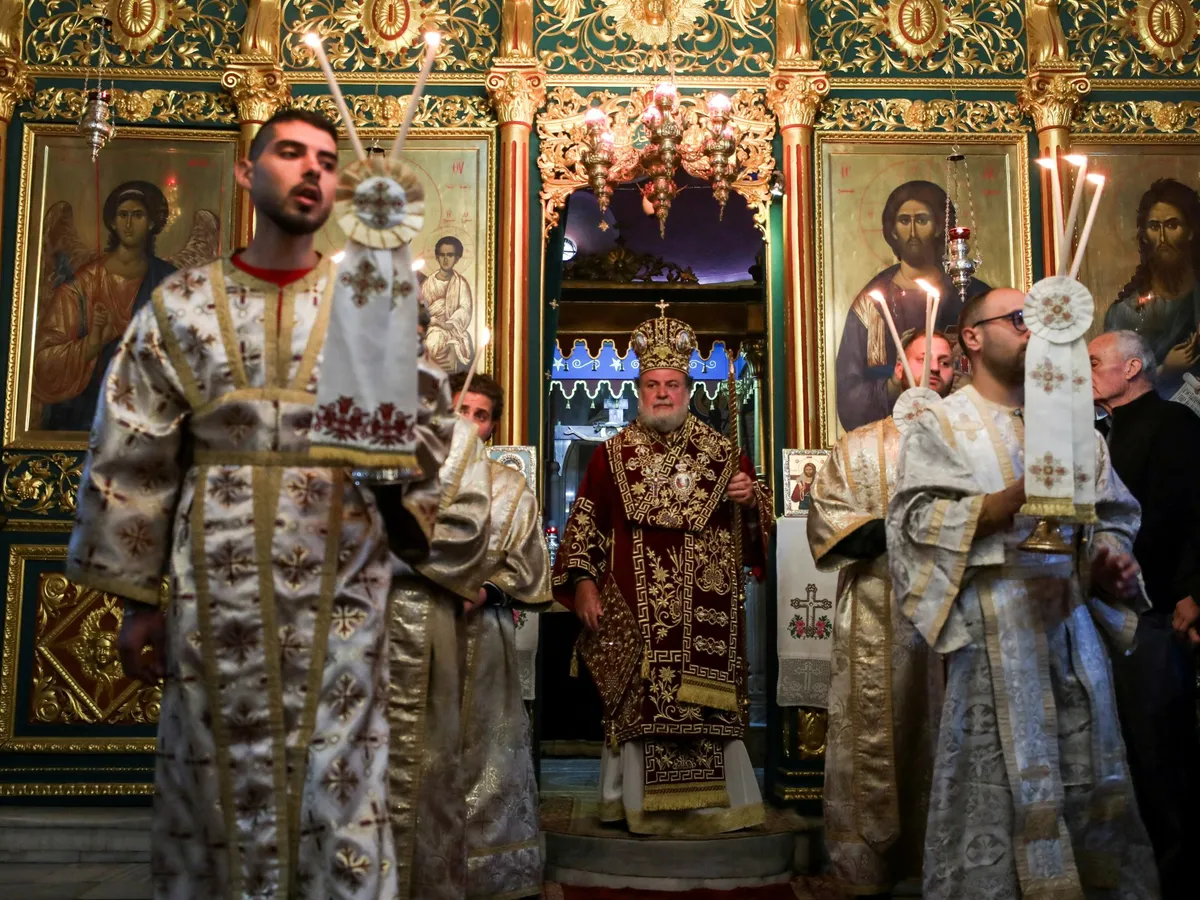
Al JazeeraFIG 01
Reading time
2min
Word count
307words
Sources cited
1cited
Entities identified
9entities
Quality score
100%
§ 01
Briefing Summary
AI-generatedNEWSAR · AI
Around 250 million Orthodox and Eastern Christians celebrate Christmas on January 7th, not because they believe Jesus was born on a different day, but due to their adherence to the Julian calendar. This difference stems from 1582 when Pope Gregory XIII introduced the Gregorian calendar to correct inaccuracies in the Julian calendar, which overestimated the solar year. While most of the world adopted the Gregorian calendar, many Orthodox churches maintained the Julian calendar to preserve their traditions. The Julian calendar is currently 13 days behind the Gregorian calendar, causing December 25th on the Julian calendar to fall on January 7th on the Gregorian calendar. These communities are located in Eastern Europe and across the Arab world, such as Palestine and Egypt.
Confidence 0.90Sources 1Claims 4Entities 9
§ 02
Article analysis
Model · rule-basedFraming
Human Interest
Tone
Measured
AI-assessed
CalmNeutralAlarmist
Factuality
0.90 / 1.00
Factual
LowHigh
Sources cited
1
Limited
FewMany
§ 03
Key claims
4 extracted01
The Julian calendar is currently 13 days behind the Gregorian calendar.
factualAl Jazeera
Confidence
1.00
02
The Julian calendar overestimates the solar year by 11 minutes.
factualAl Jazeera
Confidence
1.00
03
The difference in Christmas timing is due to the use of the Julian calendar by some Orthodox and Eastern Christian churches.
factualAl Jazeera
Confidence
1.00
04
About 250 million Christians celebrate Christmas on January 7.
statisticAl Jazeera
Confidence
1.00
§ 04
Full report
2 min read · 307 words§ 05
Entities
9 identifiedKey playerOppositionContextPositiveNeutralNegative
Organizations2
§ 06
Keywords & salience
8 termschristmas
1.00
january 7
0.90
julian calendar
0.80
gregorian calendar
0.80
orthodox christians
0.70
calendar difference
0.60
eastern christian churches
0.50
religious traditions
0.40
§ 07
Topic connections
Interactive graph No topic relationship data available yet. This graph will appear once topic relationships have been computed.