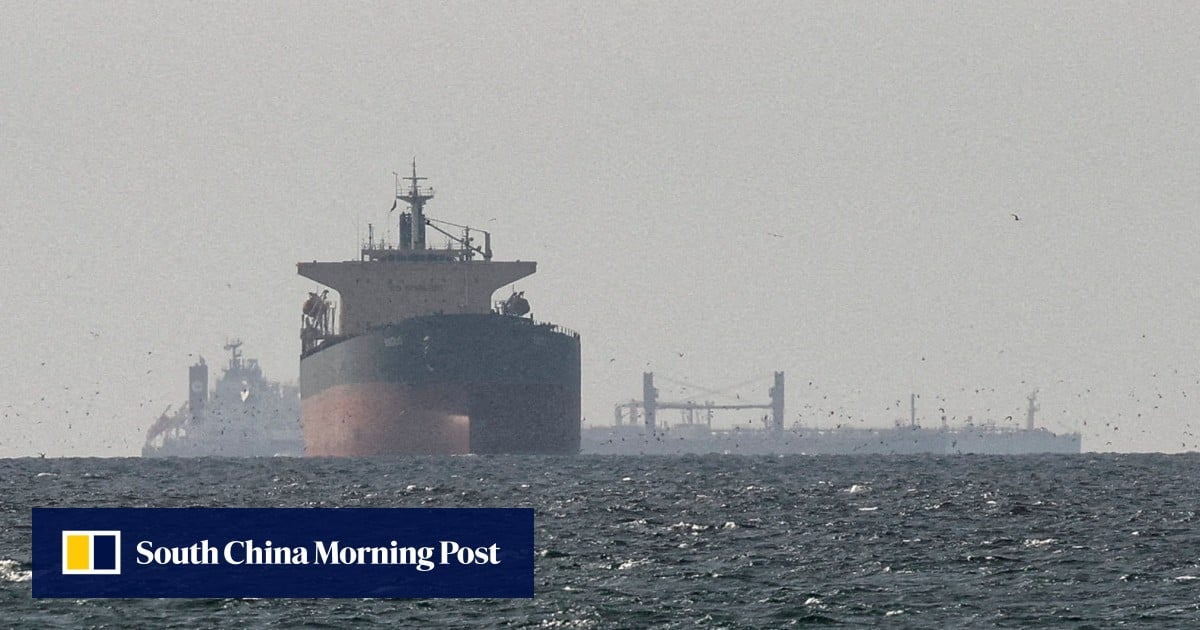
The US blockade of the Strait of Hormuz might give it a strategic advantage over Iran, analysts said, but they warned that the increased pressure on Tehran might call the ceasefire into question and deepen the energy crisis.US Central Command said on Sunday that a blockade on ships “entering or departing Iranian ports and coastal areas” would take effect at 10am US Eastern Time on Monday along the Persian Gulf and Gulf of Oman.It also said it would not impede vessels crossing the Strait of Hormuz to and from non-Iranian ports, a step back from US President Donald Trump’s claim that there would be a full blockade.
SRCSouth China Morning Post
LANGEN
LEANCenter-Right
WORDS107
ENT7
MON · 2026-04-13 · 12:28 GMTBRIEF NSR-2026-0413-65792
NSR-2026-0413-65792News Report·EN·Political Strategy
US blockade of Strait of Hormuz is ‘easy enough for them to do’ but at what cost?
The US Central Command announced a partial blockade of Iranian ports and coastal areas in the Persian Gulf and Gulf of Oman, set to begin Monday at 10 am US Eastern Time. While the US will not impede vessels traveling to and from non-Iranian ports through the Strait of Hormuz, this action marks a step back from President Trump's earlier claim of a full blockade.
Alcott Wei,Seong Hyeon ChoiSouth China Morning PostFiled 2026-04-13 · 12:28 GMTLean · Center-RightRead · 1 min
South China Morning PostFIG 01
Reading time
1min
Word count
107words
Sources cited
1cited
Entities identified
7entities
Quality score
100%
§ 01
Briefing Summary
AI-generatedNEWSAR · AI
The US Central Command announced a partial blockade of Iranian ports and coastal areas in the Persian Gulf and Gulf of Oman, set to begin Monday at 10 am US Eastern Time. While the US will not impede vessels traveling to and from non-Iranian ports through the Strait of Hormuz, this action marks a step back from President Trump's earlier claim of a full blockade. Analysts suggest the blockade could give the US a strategic advantage over Iran. However, they also caution that increased pressure on Iran could jeopardize the existing ceasefire and potentially worsen the global energy crisis. The blockade targets ships entering or departing Iranian ports.
Confidence 0.85Sources 1Claims 5Entities 7
§ 02
Article analysis
Model · rule-basedFraming
Political Strategy
Economic Impact
Tone
Measured
AI-assessed
CalmNeutralAlarmist
Factuality
0.70 / 1.00
Factual
LowHigh
Sources cited
1
Limited
FewMany
§ 03
Key claims
5 extracted01
The US will not impede vessels crossing the Strait of Hormuz to and from non-Iranian ports.
factualUS Central Command
Confidence
1.00
02
A blockade on ships entering or departing Iranian ports would take effect Monday.
factualUS Central Command
Confidence
1.00
03
US blockade of the Strait of Hormuz might give it a strategic advantage over Iran.
predictionanalysts
Confidence
0.70
04
Increased pressure on Tehran might deepen the energy crisis.
predictionanalysts
Confidence
0.60
05
Increased pressure on Tehran might call the ceasefire into question.
predictionanalysts
Confidence
0.60
§ 04
Full report
1 min read · 107 words§ 05
Entities
7 identifiedKey playerOppositionContextPositiveNeutralNegative
Organizations1
§ 06
Keywords & salience
8 termsstrait of hormuz
1.00
us blockade
0.90
iran
0.80
strategic advantage
0.70
energy crisis
0.60
gulf of oman
0.50
persian gulf
0.50
ceasefire
0.40
§ 07
Topic connections
Interactive graph Network visualization showing 51 related topics
View Full Graph Person Organization Location Event|Click node to navigate|Edge numbers = shared articles