Afghanistan’s capital is in the grip of a water crisis
Kabul, Afghanistan is facing a severe water crisis as of April 2026, impacting residents' access to potable water. The city's population relies heavily on groundwater, which is rapidly depleting, requiring wells to be dug increasingly deeper.
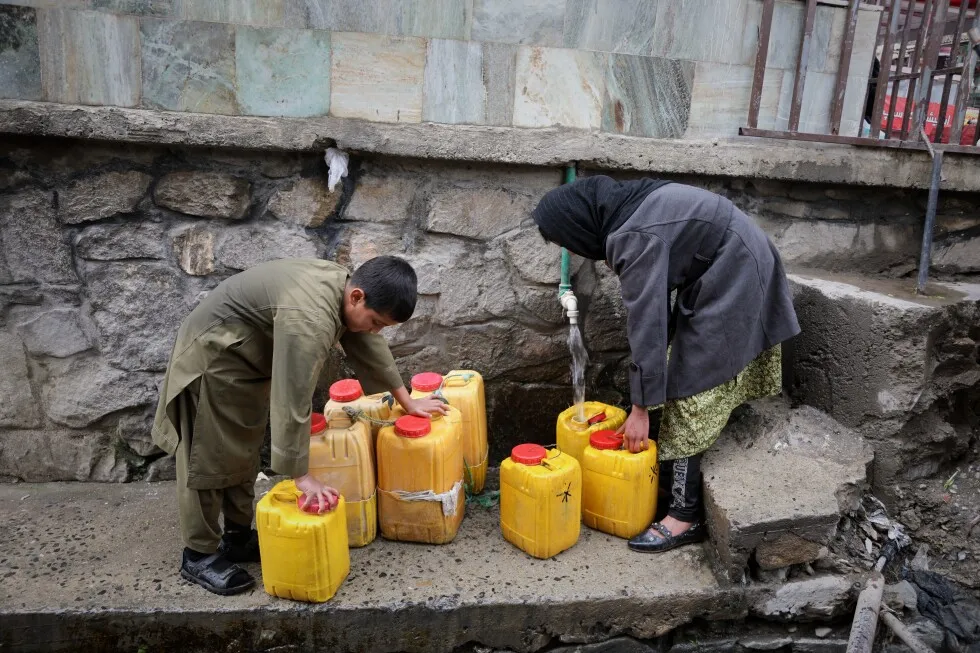
Kabul, Afghanistan is facing a severe water crisis as of April 2026, impacting residents' access to potable water. The city's population relies heavily on groundwater, which is rapidly depleting, requiring wells to be dug increasingly deeper. Many residents in poorer neighborhoods, like Deh Mazang, struggle to afford trucked-in water and rely on undrinkable well water from mosques. After the Taliban seized power in 2021, some residents had their pipes to a communal well cut off, exacerbating the problem. A 2025 report indicated that Kabul's aquifer levels have significantly decreased, highlighting the severity of the water scarcity issue.
The level of Kabul’s aquifers had plunged by 25-30 meters over the past decade.
Groundwater in Kabul has been receding at an alarming rate, with some wells needing to be dug as deep as 150 meters.
Kabul is rapidly running out of water, relying mostly on groundwater extracted from wells.
A few months after the Taliban seized power in 2021, authorities cut pipes some residents had laid to siphon water.
Pipes to people’s homes made the well’s water level drop, leaving those living higher up the hill with no water.
Connections
Who appears together in the newsStrongest ties articles in common
- 226
- 139
- 99
- 2
- 2
Recurring context not named in this article
- PDonald Trumplinks 3
- LUnited Stateslinks 3
- ONATOlinks 3
- LPakistanlinks 3
- LIranlinks 3
- LIslamabadlinks 3
- LChinalinks 3
- OUnited Nationslinks 3