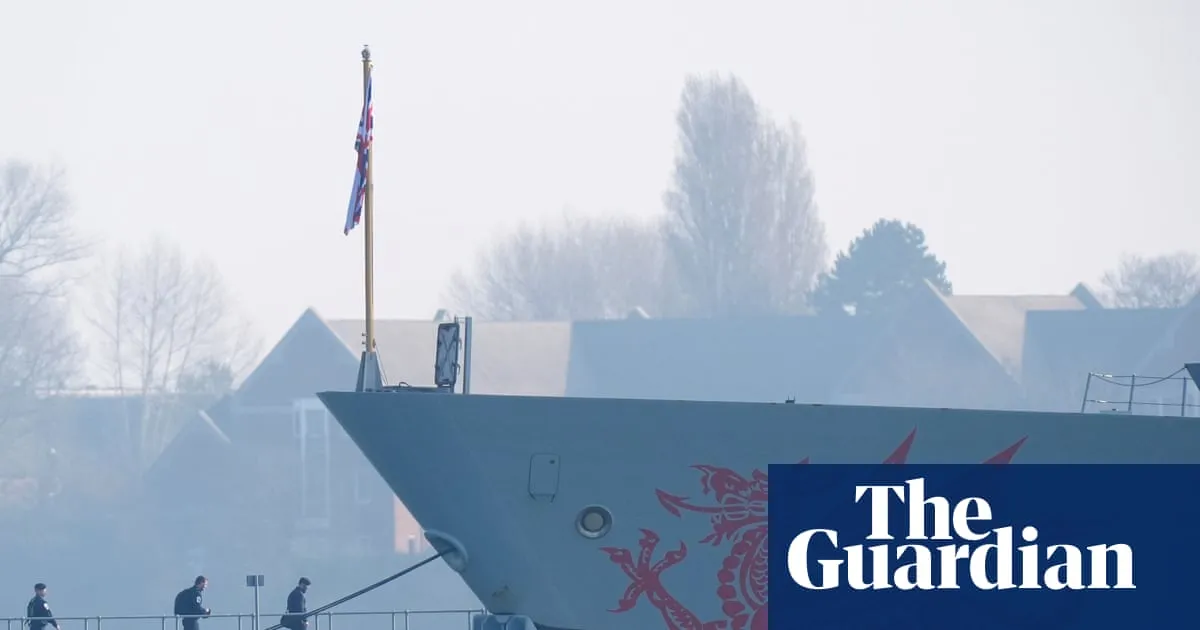
George Robertson, Tony Blair’s first defence secretary, a former NATO secretary general and an author last year of the latest in a series of evasive strategic defence reviews, accused Keir Starmer on Tuesday of a “corrosive complacency towards defence”. He said the prime minister was not willing to make the “necessary investment”.Lord Robertson could have directed his fire elsewhere. He must know that no government department has been so complacent in the face of years of devastating evidence of waste, profligate contracts, and policy decisions that have avoided confronting new but increasingly clear security threats to Britain and other western countries.Mandarins in the Ministry of Defence and successive defence secretaries have failed to confront the armed forces’ top brass – senior military figures who have a vested interested in preserving the status quo and continuing to fighting the last battles, reluctant to accept new geopolitical realities and new technologies.Critics would note that many of them have benefited from jobs in leading arms companies, perpetuating a defence lobby that has prevented them from being scrutinised effectively in Whitehall or Westminster.The sad state of Britain’s armed forces and their inability to take on current threats was illustrated by the recent photos in Portsmouth docks of HMS Dragon, the navy’s lone destroyer available to help protect British interests that would be potential targets in the conflict in the Middle East, including the RAF base at Akrotiri in Cyprus.Its crew hurriedly got the ship ready to join those of Britain’s NATO allies that had already arrived in the eastern Mediterranean, and the destroyer needed further repairs almost as soon as it arrived. Neither of Britain’s aircraft carriers and the navy’s largest and most expensive ships, the Queen Elizabeth and Prince of Wales, were available. They cost more than £6bn, well above the original estimate of under £4bn.Maintaining and repairing the ships, hit by serious mechanical problems over their short lifespan, has already cost more than £1bn. While they may be useful in “flying the flag” on long deployments around the world, as navy spokespeople put it, they do nothing to fill the gaps in Britain’s air defence systems nearer home.Meanwhile, ministers are faced with the prospect of scrapping Ajax, the army’s planned new armoured vehicle, even though more than £6bn of taxpayers’ money has already been spent on the project. Ajax is eight years late, and its defects are so serious that vibration and noise have made soldiers training on it sick, with some suffering hearing loss.The MoD is investing billions of pounds in outdated weapons systems, including heavy tanks. Last year, Starmer succumbed to US pressure to buy 12 Lockheed Martin F-35 fighters at a cost estimated to amount to £1bn and equip them with tactical nuclear weapons. (The prospect of a new nuclear weapons system for Britain’s armed forces was not recommended in Robertson’s defence review.)The MoD was extremely slow to confront a growing – but increasingly evident – threat from cyberwarfare and other, much cheaper instruments of warfare, including drones.Robertson accused “non-military experts in the Treasury” of “vandalism”, adding that the country could not defend itself with an “ever-expanding welfare budget”. Yet it is little wonder the Treasury is reluctant to agree to the MoD’s demands, including signing off on a repeatedly delayed defence investment plan.The MoD has shown little sign of learning lessons or even admitting mistakes. The navy’s fleet of Astute nuclear-powered attack submarines has been repeatedly hit by mechanical problems, and a new fleet of Dreadnought submarines for Trident nuclear missiles is reported to be already facing the prospect of expensive delays.The MoD has repeatedly brushed off damning criticism of its accounting procedures and procurement projects from the National Audit Office and the Commons public accounts committee.The British defence budget for 2024-25 is approximately £60.2bn, and there are plans to increase it to £73.5bn by 2028-29, amounting to 3.8% real-terms annual growth. The MoD says it will need an extra £28bn over the next four years to meet a shortfall and achieve “war-fighting readiness”.All the evidence suggests the MoD needs more, rather than less, scrutiny by “non-military experts” – whether in the Treasury or among those more alert to the opportunities and savings presented by modern, more adaptable weapons systems, as well as those, including intelligence agencies, responsible for foreseeing and even helping to avoid military conflict.Richard Norton-Taylor writes for the Guardian on defence and security. He joined the Guardian in 1973 as European correspondent and was later security editor.
SRCThe Guardian - World News
LANGEN
LEANCenter-Left
WORDS742
ENT12
TUE · 2026-04-14 · 15:02 GMTBRIEF NSR-2026-0414-67725
NSR-2026-0414-67725Analysis·EN·National Security
UK’s armed forces are in a sad state – and they have only themselves to blame
The article discusses the concerning state of the UK's armed forces, highlighting a lack of preparedness for current security threats. It criticizes the Ministry of Defence and military leaders for complacency, waste, and prioritizing outdated strategies.
Richard Norton-TaylorThe Guardian - World NewsFiled 2026-04-14 · 15:02 GMTLean · Center-LeftRead · 3 min
The Guardian - World NewsFIG 01
Reading time
3min
Word count
742words
Sources cited
1cited
Entities identified
12entities
Quality score
100%
§ 01
Briefing Summary
AI-generatedNEWSAR · AI
The article discusses the concerning state of the UK's armed forces, highlighting a lack of preparedness for current security threats. It criticizes the Ministry of Defence and military leaders for complacency, waste, and prioritizing outdated strategies. The article points to examples like the HMS Dragon's rushed deployment and the unavailability of the UK's aircraft carriers due to mechanical issues and high maintenance costs. Furthermore, the piece mentions the potential scrapping of the Ajax armored vehicle project after £6 billion has already been spent, due to it being eight years late. The author suggests a need for greater scrutiny of the defense lobby and a shift towards addressing modern geopolitical realities and technologies.
Confidence 0.90Sources 1Claims 5Entities 12
§ 02
Article analysis
Model · rule-basedFraming
National Security
Political Strategy
Tone
Mixed Tone
AI-assessed
CalmNeutralAlarmist
Factuality
0.60 / 1.00
Mixed
LowHigh
Sources cited
1
Limited
FewMany
§ 03
Key claims
5 extracted01
More than £6bn of taxpayers’ money has already been spent on the Ajax armoured vehicle project.
statistic
Confidence
1.00
02
Maintaining and repairing the Queen Elizabeth and Prince of Wales has already cost more than £1bn.
statistic
Confidence
1.00
03
The Queen Elizabeth and Prince of Wales aircraft carriers cost more than £6bn, exceeding the original estimate of under £4bn.
statistic
Confidence
1.00
04
Lord Robertson accused Keir Starmer of a “corrosive complacency towards defence” and unwillingness to make the “necessary investment”.
quoteGeorge Robertson
Confidence
1.00
05
HMS Dragon, the navy’s lone destroyer, was available to help protect British interests in the Middle East.
factual
Confidence
0.90
§ 04
Full report
3 min read · 742 words§ 05
Entities
12 identifiedKey playerOppositionContextPositiveNeutralNegative
People5
Organizations4
§ 06
Keywords & salience
9 termsarmed forces
1.00
defence spending
0.80
military readiness
0.70
ministry of defence
0.60
aircraft carriers
0.50
hms dragon
0.50
strategic defence review
0.50
ajax armoured vehicle
0.40
arms companies
0.40
§ 07
Topic connections
Interactive graph No topic relationship data available yet. This graph will appear once topic relationships have been computed.