An Australian teenager has pleaded guilty to creating deepfake pornography, in a landmark case.William Hamish Yeates, 19, is the first person to be charged under a new national law which criminalises the manipulation of sexual images and carries a maximum penalty of seven years in prison.Experts says deepfake pornography - often created through artificial intelligence technology, and overwhelmingly targeting women and girls - is the new frontier of gendered, image-based abuse and school bullying.Yeates did not comment as he left court after admitting four offences on Wednesday. He will return for a hearing in April.Yeates was previously facing 20 Commonwealth charges, but the Commonwealth Director of Public Prosecutions (CDPP) withdraw some of them after he pleaded guilty to creating or altering sexual material without consent and distributing it, as well as using a carriage service in a harassing or offensive way.The court heard Yeates had distributed images of his alleged victim across multiple X accounts without her consent.A spokesman for Commonwealth prosecutors previously confirmed it was the first prosecution of its kind, though some states also have their own laws relating to deepfake material.Australia's internet regulator, the eSafety Commission, has been warning of the rising threat of AI manipulated material, and has been fighting to ban apps that 'nudify' subjects in Australia.
SRCBBC News - World
LANGEN
LEANCenter
WORDS212
ENT5
WED · 2026-04-15 · 07:23 GMTBRIEF NSR-2026-0415-68660
NSR-2026-0415-68660News Report·EN·Legal & Judicial
Australian pleads guilty to creating deepfake porn in landmark case
In a landmark case, Australian teenager William Hamish Yeates, 19, pleaded guilty to creating deepfake pornography, marking the first prosecution under a new national law criminalizing the manipulation of sexual images. Yeates admitted to creating or altering sexual material without consent, distributing it, and using a carriage service in a harassing or offensive way.
BBC News - WorldFiled 2026-04-15 · 07:23 GMTLean · CenterRead · 1 min
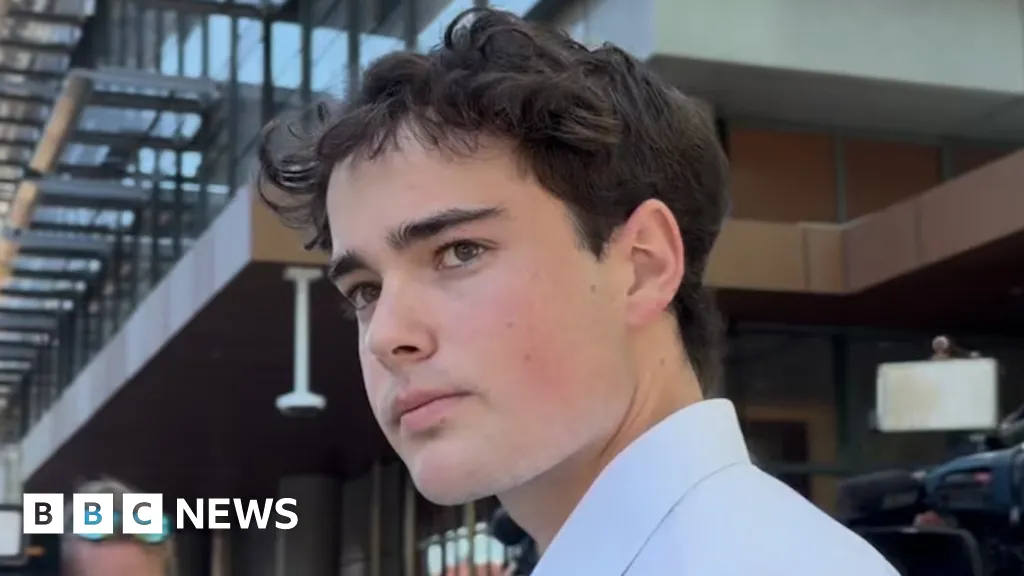
BBC News - WorldFIG 01
Reading time
1min
Word count
212words
Sources cited
2cited
Entities identified
5entities
Quality score
100%
§ 01
Briefing Summary
AI-generatedNEWSAR · AI
In a landmark case, Australian teenager William Hamish Yeates, 19, pleaded guilty to creating deepfake pornography, marking the first prosecution under a new national law criminalizing the manipulation of sexual images. Yeates admitted to creating or altering sexual material without consent, distributing it, and using a carriage service in a harassing or offensive way. He distributed images of his alleged victim across multiple X accounts without her consent. The case highlights the growing concern over AI-manipulated material, particularly deepfake pornography, and its potential for gendered abuse and bullying. Yeates, who initially faced 20 charges, will return to court for a hearing in April. The eSafety Commission has been warning of the rising threat of AI manipulated material.
Confidence 0.90Sources 2Claims 5Entities 5
§ 02
Article analysis
Model · rule-basedFraming
Legal & Judicial
Technology
Tone
Measured
AI-assessed
CalmNeutralAlarmist
Factuality
0.80 / 1.00
Factual
LowHigh
Sources cited
2
Limited
FewMany
§ 03
Key claims
5 extracted01
Australia's internet regulator, the eSafety Commission, has been warning of the rising threat of AI manipulated material.
factualnull
Confidence
1.00
02
Yeates distributed images of his alleged victim across multiple X accounts without her consent.
factualnull
Confidence
1.00
03
The maximum penalty for creating deepfake pornography is seven years in prison.
factualnull
Confidence
1.00
04
Yeates is the first person charged under a new national law criminalising the manipulation of sexual images.
factualnull
Confidence
1.00
05
William Hamish Yeates, 19, pleaded guilty to creating deepfake pornography.
factualnull
Confidence
1.00
§ 04
Full report
1 min read · 212 words§ 05
Entities
5 identifiedKey playerOppositionContextPositiveNeutralNegative
Organizations3
Locations1
§ 06
Keywords & salience
9 termsdeepfake pornography
1.00
image-based abuse
0.80
artificial intelligence
0.70
sexual images
0.70
online harassment
0.60
cybercrime
0.60
australia
0.50
consent
0.50
new law
0.40
§ 07
Topic connections
Interactive graph No topic relationship data available yet. This graph will appear once topic relationships have been computed.