Chinese analysts say Tehran has long shown resilience in the face of sanctions and other US tactics3-MIN READ3-MIN1 ListenPublished: 9:26pm, 17 Apr 2026Updated: 10:12pm, 17 Apr 2026The US appears to be intensifying its war efforts with an economic squeeze to force Iran to cave in before further talks, but Chinese observers say the strategy could backfire on the US economy.The US continued to exert pressure on Iran on Friday even as Iranian Foreign Minister Abbas Araghchi announced that passage for all commercial vessels through the Strait of Hormuz was completely open for the remainder of a two-week ceasefire due to expire on April 22.The passage of the vessels would be on the coordinated route announced by Iran’s Ports and Maritime Organisation, Araghchi said.US President Donald Trump thanked Iran for the action but said a US naval blockade on vessels entering and leaving Iranian ports would remain in “full force and effect ... only until such time as our transaction with Iran is 100 per cent complete”.Trump added that the process would go quickly because most of the points had already been negotiated.02:30Trump announces Israel and Lebanon agreement to 10-day ceasefireTrump announces Israel and Lebanon agreement to 10-day ceasefireEarlier, US Secretary of Defence Pete Hegseth renewed his threats against Iran, saying that the US would attack Iran’s civilian infrastructure if diplomatic efforts failed.
SRCSouth China Morning Post
LANGEN
LEANCenter-Right
WORDS222
ENT10
FRI · 2026-04-17 · 13:26 GMTBRIEF NSR-2026-0417-70337
NSR-2026-0417-70337News Report·EN·National Security
Why US threats to tighten economic vice on Iran might prolong war
Amidst a ceasefire in April 2026, the US is maintaining economic pressure on Iran, including a naval blockade, to expedite negotiations. Iranian Foreign Minister Araghchi announced the Strait of Hormuz was open to commercial vessels following a coordinated route, a move acknowledged by US President Trump.
Laura ZhouSouth China Morning PostFiled 2026-04-17 · 13:26 GMTLean · Center-RightRead · 1 min
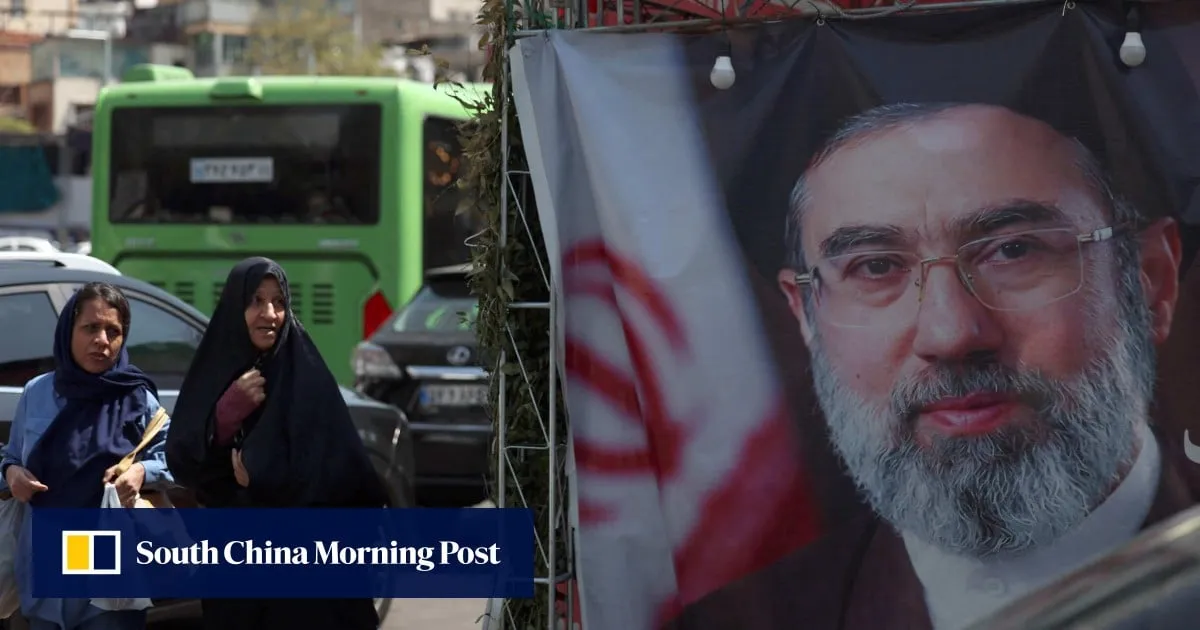
South China Morning PostFIG 01
Reading time
1min
Word count
222words
Sources cited
2cited
Entities identified
10entities
Quality score
100%
§ 01
Briefing Summary
AI-generatedNEWSAR · AI
Amidst a ceasefire in April 2026, the US is maintaining economic pressure on Iran, including a naval blockade, to expedite negotiations. Iranian Foreign Minister Araghchi announced the Strait of Hormuz was open to commercial vessels following a coordinated route, a move acknowledged by US President Trump. However, the US blockade will remain until a complete agreement is reached. US Secretary of Defence Hegseth threatened attacks on Iranian civilian infrastructure if diplomacy fails. Chinese analysts suggest this intensified economic pressure from the US could prolong the conflict, despite the US intention to force Iran to negotiate.
Confidence 0.90Sources 2Claims 4Entities 10
§ 02
Article analysis
Model · rule-basedFraming
National Security
Tone
Measured
AI-assessed
CalmNeutralAlarmist
Factuality
0.60 / 1.00
Mixed
LowHigh
Sources cited
2
Limited
FewMany
§ 03
Key claims
4 extracted01
The US continued to exert pressure on Iran, despite the announcement from Iranian Foreign Minister Abbas Araghchi that passage for all commercial vessels through the Strait of Hormuz was completely open.
factual
Confidence
1.00
02
Iranian Foreign Minister Abbas Araghchi announced that passage for all commercial vessels through the Strait of Hormuz was completely open for the remainder of a two-week ceasefire.
quoteIranian Foreign Minister Abbas Araghchi
Confidence
0.90
03
US President Donald Trump said a US naval blockade on vessels entering and leaving Iranian ports would remain in 'full force and effect' until the US transaction with Iran is 100 per cent complete.
quoteUS President Donald Trump
Confidence
0.80
04
US Secretary of Defence Pete Hegseth renewed his threats against Iran, saying that the US would attack Iran's civilian infrastructure if diplomatic efforts failed.
quoteUS Secretary of Defence Pete Hegseth
Confidence
0.70
§ 04
Full report
1 min read · 222 words§ 05
Entities
10 identifiedKey playerOppositionContextPositiveNeutralNegative
People3
Organizations1
§ 06
Keywords & salience
9 termsus-iran relations
0.90
economic sanctions
0.80
war
0.70
strait of hormuz
0.60
ceasefire
0.60
naval blockade
0.50
diplomatic efforts
0.50
donald trump
0.40
civilian infrastructure
0.40
§ 07
Topic connections
Interactive graph Network visualization showing 51 related topics
View Full Graph Person Organization Location Event|Click node to navigate|Edge numbers = shared articles