People walk by the Muxima" class="entity-link entity-organization" data-entity-id="118040" data-entity-type="organization">Church of Our Lady of Muxima in Muxima, Angola, Saturday, April 11, 2026, which Pope Leo XIV will visit during his 11-day pastoral visit to Africa. (AP Photo) 2026-04-18T01:16:52Z CAPE TOWN, Africa" class="entity-link entity-location" data-entity-id="534" data-entity-type="location">South Africa (AP) — The Muxima" class="entity-link entity-organization" data-entity-id="118040" data-entity-type="organization">Church of Our Lady of Muxima was built by Portuguese colonizers in Angola at the end of the 16th century as part of a fortress complex and became a hub in the slave trade. It remains a reminder of the inextricable link hundreds of years ago between Catholicism and the exploitation of the African continent. Pope Leo XIV’s planned visit to the church in the town of Muxima on Sunday as part of his Africa tour is in recognition of it becoming a popular Catholic shrine after believers reported an appearance by the Virgin Mary around 1833. But before that, the white-walled church on the edge of the Kwanza River was a point where enslaved Africans were gathered to be baptized by Portuguese priests before being forced to walk the last 145 kilometers (90 miles) to Angola’s main port of Luanda to be put on ships to the Americas. The Portuguese colonizers were emboldened by 15th-century directives from the Vatican that authorized them to enslave non-Christians. Angola was at the center of the slave trade Ultimately, more than 5 million people left from Angola on the trans-Atlantic slave route, more than any other country and nearly half of the roughly 12.5 million African slaves sent across the ocean. People walk by the Muxima" class="entity-link entity-organization" data-entity-id="118040" data-entity-type="organization">Church of Our Lady of Muxima in Muxima, Angola, Saturday, April 11, 2026 which Pope Leo XIV will visit during his 11-day pastoral visit to Africa. (AP Photo) People walk by the Muxima" class="entity-link entity-organization" data-entity-id="118040" data-entity-type="organization">Church of Our Lady of Muxima in Muxima, Angola, Saturday, April 11, 2026 which Pope Leo XIV will visit during his 11-day pastoral visit to Africa. (AP Photo) --> Add AP News on Google Add AP News as your preferred source to see more of our stories on Google. --> Share Share Facebook Copy Link copied Email X LinkedIn Bluesky Flipboard Pinterest Reddit It’s unclear if Leo will address slavery on his Africa trip, as St. John Paul II did on papal visits to Cameroon in 1985 and Senegal in 1992. Joe Biden visited Angola in the last months of his presidency in 2024 and spoke about slavery as America’s “original sin.” But some African Catholics see a highly symbolic moment when the head of the Catholic Church — who is himself an American — recites the Rosary on the riverside esplanade next to the fortress and the centuries-old chapel in Muxima, as Leo plans to do. “For me, the pope going there to pray the Rosary ... he will give that place a new significance,” said Rev. Celestino Epalanga, a priest with the Catholic Bishops’ Conference of Angola. “We have to give it a new sense. To make this place sacred instead of being a place of evil.” The pope’s complex heritage The moment might resonate even more after revelations around Leo’s own heritage. (
SRCAssociated Press (AP)
LANGEN
LEANCenter
WORDS510
ENT11
SAT · 2026-04-18 · 06:53 GMTBRIEF NSR-2026-0418-70471
NSR-2026-0418-70471News Report·EN·Social Justice
Pope Leo XIV’s visit to an African church linked to slavery reflects on his own complex heritage
Pope Leo XIV is scheduled to visit the Church of Our Lady of Muxima in Angola as part of his upcoming Africa tour. The church, built by Portuguese colonizers in the 16th century, served as a hub for the slave trade, where enslaved Africans were baptized before being shipped to the Americas.
Associated Press (AP)Filed 2026-04-18 · 06:53 GMTLean · CenterRead · 3 min
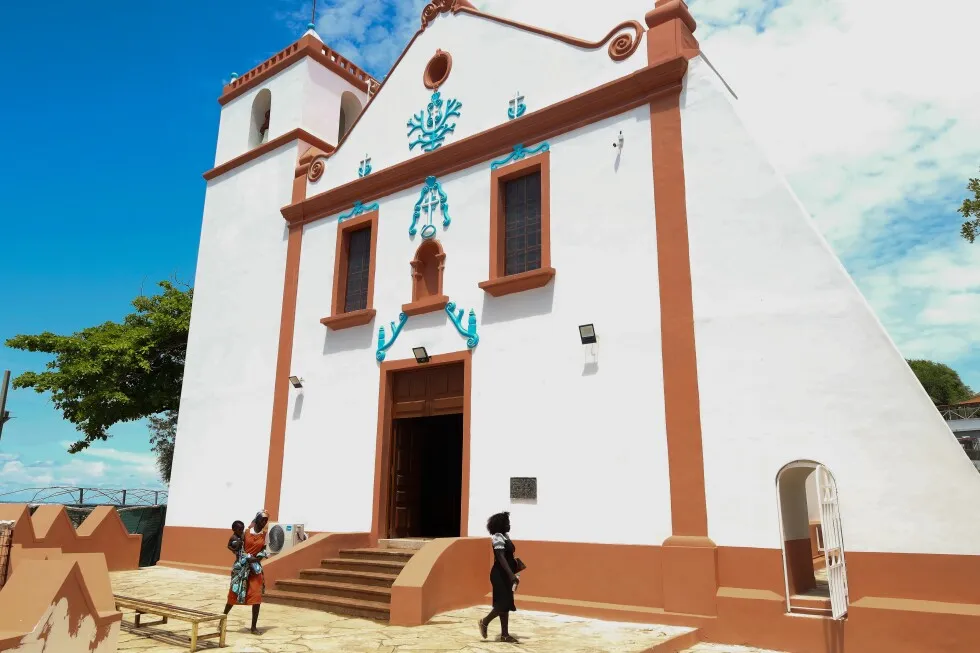
Associated Press (AP)FIG 01
Reading time
3min
Word count
510words
Sources cited
1cited
Entities identified
11entities
Quality score
100%
§ 01
Briefing Summary
AI-generatedNEWSAR · AI
Pope Leo XIV is scheduled to visit the Church of Our Lady of Muxima in Angola as part of his upcoming Africa tour. The church, built by Portuguese colonizers in the 16th century, served as a hub for the slave trade, where enslaved Africans were baptized before being shipped to the Americas. Angola was a major center of the transatlantic slave trade, with over 5 million people being forcibly removed from the country. The visit recognizes the church's later significance as a Catholic shrine following reported apparitions of the Virgin Mary in the 1830s. The church stands as a reminder of the historical connection between Catholicism and the exploitation of Africans, as the Vatican authorized the enslavement of non-Christians in the 15th century.
Confidence 0.90Sources 1Claims 5Entities 11
§ 02
Article analysis
Model · rule-basedFraming
Social Justice
Human Rights
Tone
Measured
AI-assessed
CalmNeutralAlarmist
Factuality
0.80 / 1.00
Factual
LowHigh
Sources cited
1
Limited
FewMany
§ 03
Key claims
5 extracted01
Joe Biden visited Angola in 2024 and spoke about slavery as America’s “original sin.”
factual
Confidence
1.00
02
More than 5 million people left from Angola on the trans-Atlantic slave route.
statistic
Confidence
1.00
03
The Portuguese colonizers were emboldened by 15th-century directives from the Vatican that authorized them to enslave non-Christians.
factual
Confidence
1.00
04
The Church of Our Lady of Muxima was built by Portuguese colonizers in the 16th century and became a hub in the slave trade.
factual
Confidence
1.00
05
Pope Leo XIV will visit the Church of Our Lady of Muxima in Angola as part of his Africa tour.
factual
Confidence
1.00
§ 04
Full report
3 min read · 510 words§ 05
Entities
11 identifiedKey playerOppositionContextPositiveNeutralNegative
Organizations3
§ 06
Keywords & salience
10 termsslavery
1.00
catholic church
0.80
pope leo xiv
0.80
colonialism
0.70
angola
0.70
slave trade
0.70
church of our lady of muxima
0.60
africa
0.50
portuguese colonizers
0.50
trans-atlantic slave route
0.40
§ 07
Topic connections
Interactive graph No topic relationship data available yet. This graph will appear once topic relationships have been computed.