Tehran is looking for room to manoeuvre on bigger issues as a ceasefire deadline looms next week, observers say3-MIN READ3-MIN ListenPublished: 10:00pm, 18 Apr 2026Updated: 10:05pm, 18 Apr 2026With the clock counting down to the end of a two-week ceasefire with the US on Wednesday, a deal with Washington was still possible and the likelihood of Tehran imposing a toll on the waterway was low, they added.The assessment came as the Islamic Revolutionary Guard Corps (IRGC) announced on Saturday that control of the strait had “returned to its previous state”, saying the US’ continuing naval blockade of Iranian ports amounted to “piracy and maritime theft”.“Until the US puts an end to the complete freedom of movement for vessels from Iranian origin to destination and from destination to Iranian origin, the status of the Strait of Hormuz will remain under strict control and in its previous state,” the IRGC’s military command spokesman said, according to Tehran’s Fars News Agency. Iranians dismiss Trump threats to block Hormuz StraitIranians dismiss Trump threats to block Hormuz StraitA day earlier, Iran had announced that the waterway was fully open to commercial vessels, a move US President Donald Trump applauded while stressing that the US naval blockade of Iranian ports along the strait “is going to remain”.
SRCSouth China Morning Post
LANGEN
LEANCenter-Right
WORDS211
ENT7
SAT · 2026-04-18 · 14:00 GMTBRIEF NSR-2026-0418-70574
NSR-2026-0418-70574News Report·EN·Political Strategy
Closed? Open? Closed? Why is Iran changing course on the Strait of Hormuz?
As a ceasefire deadline with the US approaches on Wednesday, Iran is sending mixed signals regarding the Strait of Hormuz. The Islamic Revolutionary Guard Corps (IRGC) initially announced the strait was under "strict control" due to the US naval blockade of Iranian ports, calling it "piracy." This statement followed an earlier announcement that the waterway was fully open to commercial vessels, a move praised by US President Trump, who affirmed the US blockade would continue.
Fan ChenSouth China Morning PostFiled 2026-04-18 · 14:00 GMTLean · Center-RightRead · 1 min
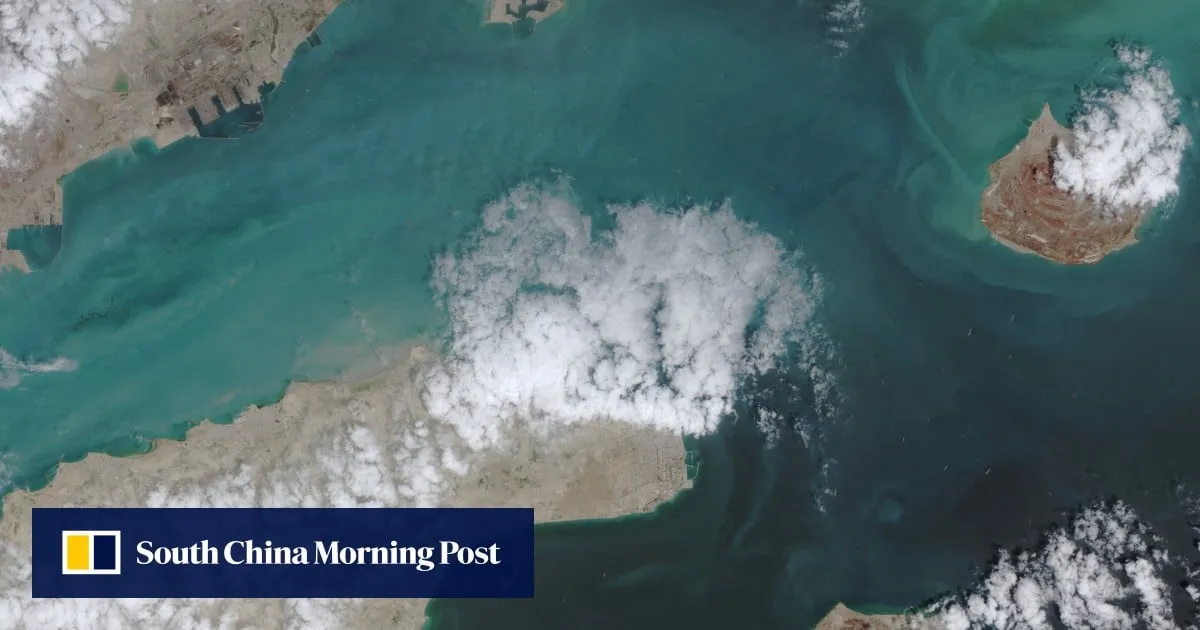
South China Morning PostFIG 01
Reading time
1min
Word count
211words
Sources cited
1cited
Entities identified
7entities
Quality score
100%
§ 01
Briefing Summary
AI-generatedNEWSAR · AI
As a ceasefire deadline with the US approaches on Wednesday, Iran is sending mixed signals regarding the Strait of Hormuz. The Islamic Revolutionary Guard Corps (IRGC) initially announced the strait was under "strict control" due to the US naval blockade of Iranian ports, calling it "piracy." This statement followed an earlier announcement that the waterway was fully open to commercial vessels, a move praised by US President Trump, who affirmed the US blockade would continue. Observers believe Iran's fluctuating stance is a strategic maneuver to gain leverage in broader negotiations with Washington as the ceasefire nears its end. The Strait of Hormuz is a critical waterway for global oil transport.
Confidence 0.90Sources 1Claims 5Entities 7
§ 02
Article analysis
Model · rule-basedFraming
Political Strategy
National Security
Tone
Measured
AI-assessed
CalmNeutralAlarmist
Factuality
0.70 / 1.00
Factual
LowHigh
Sources cited
1
Limited
FewMany
§ 03
Key claims
5 extracted01
The US naval blockade of Iranian ports along the strait “is going to remain”.
quoteDonald Trump
Confidence
1.00
02
Iran had announced that the waterway was fully open to commercial vessels.
factualIran
Confidence
1.00
03
The US' continuing naval blockade of Iranian ports amounted to “piracy and maritime theft”.
quoteIslamic Revolutionary Guard Corps (IRGC)
Confidence
1.00
04
The IRGC announced control of the strait had “returned to its previous state”.
quoteIslamic Revolutionary Guard Corps (IRGC)
Confidence
1.00
05
A deal with Washington was still possible and the likelihood of Tehran imposing a toll on the waterway was low.
predictionobservers
Confidence
0.70
§ 04
Full report
1 min read · 211 words§ 05
Entities
7 identifiedKey playerOppositionContextPositiveNeutralNegative
§ 06
Keywords & salience
9 termsstrait of hormuz
1.00
iran
0.90
us
0.80
ceasefire
0.70
naval blockade
0.70
commercial vessels
0.60
islamic revolutionary guard corps (irgc)
0.60
freedom of movement
0.50
maritime theft
0.50
§ 07
Topic connections
Interactive graph Network visualization showing 51 related topics
View Full Graph Person Organization Location Event|Click node to navigate|Edge numbers = shared articles