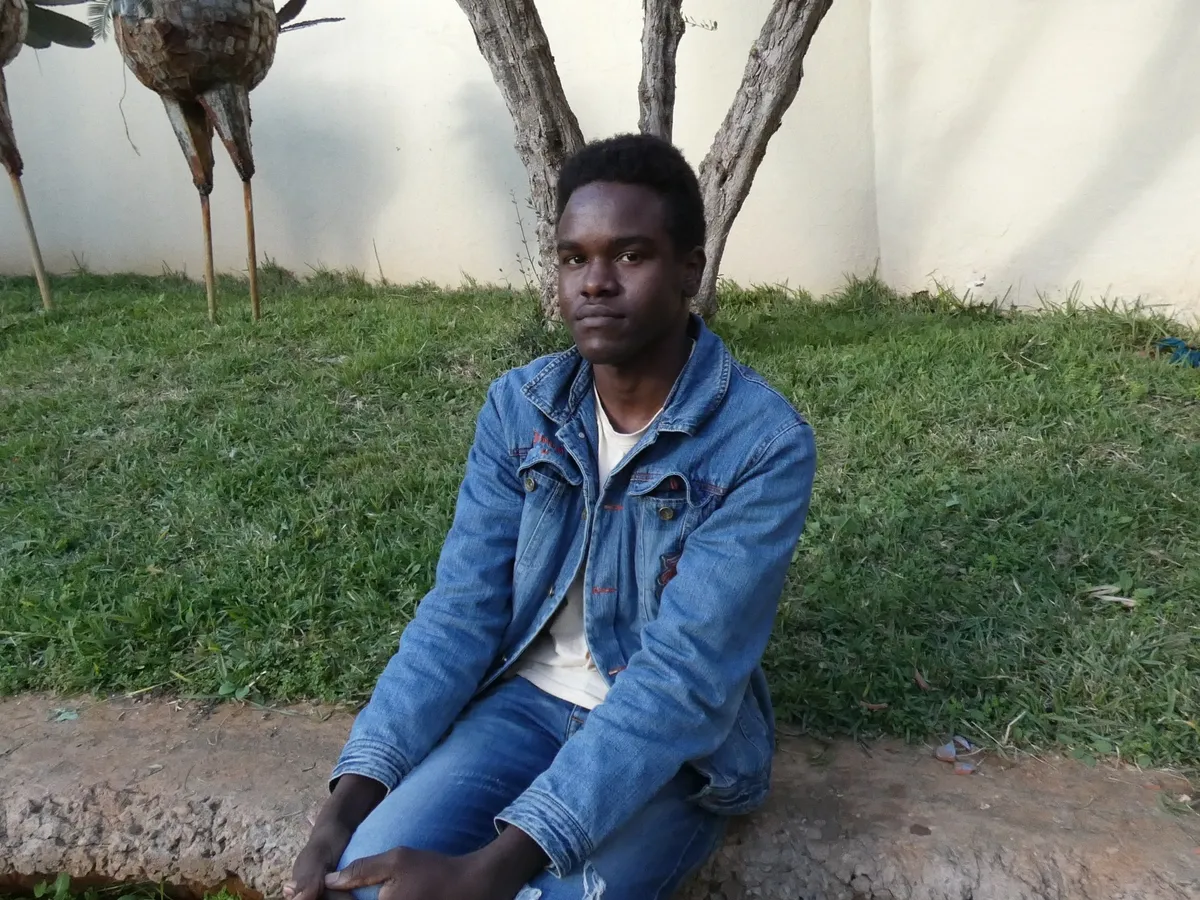
Morocco adopted a National Strategy on Immigration and Asylum in 2013 and outlined plans for a formal asylum law. More than a decade later, that law has still not been implemented.“In practice, UNHCR registers asylum seekers and conducts refugee status determination in application of its mandate stated in the 1951 Refugee Convention and its Statute,” Muriel Juramie, UNHCR’s interim representative in Morocco, told Al Jazeera.Al Jazeera contacted the Moroccan government for comment but did not get a response.Recognised refugees can then obtain documentation and apply for residence permits.Juramie said UNHCR has called for “the adoption of a comprehensive national asylum law in Morocco”, arguing it would bring “clarity, predictability, and consistency” to procedures, establish appeal mechanisms and formally codify the rights of recognised refugees.Without it, organisations working with refugees say protection rests on an improvised system rather than a coherent legal framework.“This is an unusual situation globally: a sovereign state effectively delegating a core protection function to an international agency, not by explicit legal design, but by default,” said Rachid Chakri of Fondation Orient-Occident.“Refugees arriving in Morocco today face a system that is not designed to protect them over the medium or long term,” he said. “Many will spend years in legal precarity – registered but undocumented, present but unintegrated, visible to the state primarily as a migration management challenge rather than as rights-holders.”For those who reach Morocco, there is no state-run refugee accommodation system. Aid groups fill part of the void, but only for the most vulnerable and only when resources allow. Some asylum seekers sleep rough or under bridges. Others rely on overstretched charities for temporary shelter, food or legal support.On paper, recognised refugees have the right to work. In reality, however, access to work remains limited. Administrative barriers, recognition of qualifications and labour market conditions all restrict opportunities, while obtaining a residence permit can take time, the UNHCR said.According to UNHCR, just 80 refugees – including 14 women – had accessed formal jobs, along with eight internships, out of more than 22,000 registered refugees and asylum seekers.Without accommodation, money, or qualifications, refugees struggle to gain employment.Before the war, Ali was in school and hoped to go to university. In Rabat, that future feels remote. He has completed a short course in elderly care and now works as an unpaid intern, but says his heart condition often makes even that difficult.He could try to reach Europe via the Spanish enclaves of Ceuta or Melilla in North Africa, but says his health makes that impossible, while crossing the Mediterranean is too dangerous, and too expensive.Meanwhile, resettlement, which UNHCR grants in some instances based on vulnerability and available quotas, and is often spoken of by refugees as the only real way out, feels distant.In 2025, Juramie said, “a hundred” had been submitted to resettlement countries, mainly in North America and Europe, which are growing increasingly resistant to allowing refugees in.So Ali waits, for a decision that may never come, and with the constant fear of being picked up by police and sent south.
SRCAl Jazeera
LANGEN
LEANCenter
WORDS503
ENT9
SAT · 2026-04-18 · 18:51 GMTBRIEF NSR-2026-0418-70592
NSR-2026-0418-70592News Report·EN·Human Rights
Sudanese refugees trapped between borders and bureaucracy in Morocco
Despite adopting a National Strategy on Immigration and Asylum in 2013, Morocco has yet to implement a formal asylum law. Currently, the UNHCR registers asylum seekers and determines refugee status, a function typically handled by the state.
Caolán MageeAl JazeeraFiled 2026-04-18 · 18:51 GMTLean · CenterRead · 3 min
Al JazeeraFIG 01
Reading time
3min
Word count
503words
Sources cited
2cited
Entities identified
9entities
Quality score
100%
§ 01
Briefing Summary
AI-generatedNEWSAR · AI
Despite adopting a National Strategy on Immigration and Asylum in 2013, Morocco has yet to implement a formal asylum law. Currently, the UNHCR registers asylum seekers and determines refugee status, a function typically handled by the state. This leaves refugees, particularly Sudanese refugees, in a precarious legal situation, registered but often undocumented and facing challenges with integration. They struggle to access accommodation, employment, and other essential resources due to administrative barriers and a lack of a comprehensive support system. While recognized refugees have the right to work, very few have been able to secure formal employment. The UNHCR advocates for a national asylum law to provide clarity, predictability, and consistent protection for refugees in Morocco.
Confidence 0.90Sources 2Claims 5Entities 9
§ 02
Article analysis
Model · rule-basedFraming
Human Rights
Legal & Judicial
Tone
Measured
AI-assessed
CalmNeutralAlarmist
Factuality
0.70 / 1.00
Factual
LowHigh
Sources cited
2
Limited
FewMany
§ 03
Key claims
5 extracted01
Only 80 refugees have accessed formal jobs out of more than 22,000 registered refugees and asylum seekers.
statisticUNHCR
Confidence
1.00
02
UNHCR has called for the adoption of a comprehensive national asylum law in Morocco.
quoteMuriel Juramie, UNHCR
Confidence
1.00
03
UNHCR registers asylum seekers and conducts refugee status determination in Morocco.
quoteMuriel Juramie, UNHCR
Confidence
1.00
04
Morocco has not implemented a formal asylum law despite adopting a National Strategy on Immigration and Asylum in 2013.
factualAl Jazeera
Confidence
0.90
05
Refugees in Morocco face a system that is not designed to protect them over the medium or long term.
quoteRachid Chakri, Fondation Orient-Occident
Confidence
0.80
§ 04
Full report
3 min read · 503 words§ 05
Entities
9 identifiedKey playerOppositionContextPositiveNeutralNegative
Organizations3
§ 06
Keywords & salience
10 termsrefugees
1.00
asylum
0.90
morocco
0.80
unhcr
0.70
legal precarity
0.70
asylum law
0.70
residence permits
0.60
immigration
0.50
migration management
0.50
sudanese refugees
0.40
§ 07
Topic connections
Interactive graph Network visualization showing 51 related topics
View Full Graph Person Organization Location Event|Click node to navigate|Edge numbers = shared articles