China has started work on a project to reduce natural gas consumption by blending it with hydrogen that will provide energy to 100,000 households.The project in Weifang in the eastern province of Shandong is first to be carried out on such a scale and forms part of the country’s green energy push, an effort that is likely to gain further momentum in the wake of the current global energy crisis.It uses equipment capable of handling up to 30,000 cubic metres (1 million cubic feet) of hydrogen-blended gas, allowing a hydrogen mix of up to 10 per cent to be added to the gas supply, according to state broadcaster CCTV.Initial estimates suggested that if a 10 per cent blend were used across urban gas networks nationwide, it could save around 15 billion cubic metres of natural gas a year and cut China’s carbon dioxide emissions by roughly 30 million tonnes, CCTV said.China consumed 426.5 billion cubic metres of natural gas last year, according to the National Development and Reform Commission.The launch comes at a time when global energy prices are soaring because of the closure of the Strait of Hormuz, a key shipping route for oil and gas, as a result of the Iran crisis.Imports from the Middle East play an important role in China’s energy supply, with Qatar and the United Arab Emirates accounting for roughly 30 per cent of its total liquefied natural gas imports last year – some 6 per cent of its total gas supply – according to S&P Global Energy.
SRCSouth China Morning Post
LANGEN
LEANCenter-Right
WORDS254
ENT11
SUN · 2026-04-19 · 13:00 GMTBRIEF NSR-2026-0419-70751
NSR-2026-0419-70751News Report·EN·Environmental
How hydrogen could help China cut natural gas use and carbon emissions
China has initiated a large-scale project in Weifang, Shandong province, to blend hydrogen with natural gas for residential use, aiming to reduce natural gas consumption and carbon emissions. The project, the first of its kind in scale, will supply 100,000 households with hydrogen-blended gas, utilizing equipment capable of handling up to a 10% hydrogen mix.
Sylvia MaSouth China Morning PostFiled 2026-04-19 · 13:00 GMTLean · Center-RightRead · 2 min
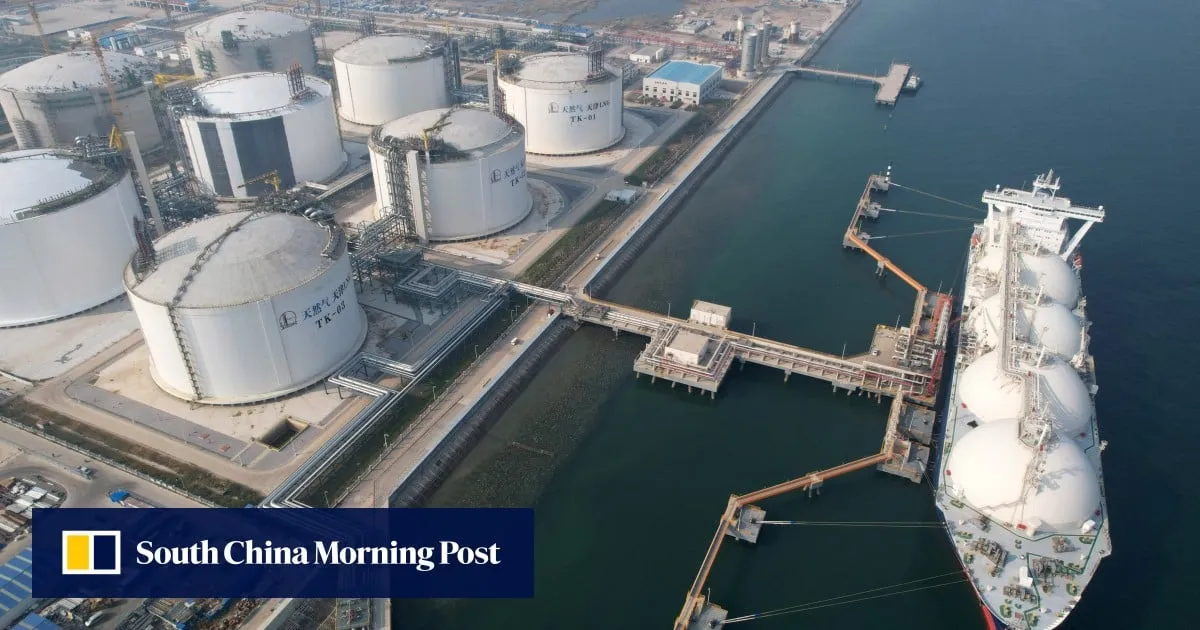
South China Morning PostFIG 01
Reading time
2min
Word count
254words
Sources cited
2cited
Entities identified
11entities
Quality score
100%
§ 01
Briefing Summary
AI-generatedNEWSAR · AI
China has initiated a large-scale project in Weifang, Shandong province, to blend hydrogen with natural gas for residential use, aiming to reduce natural gas consumption and carbon emissions. The project, the first of its kind in scale, will supply 100,000 households with hydrogen-blended gas, utilizing equipment capable of handling up to a 10% hydrogen mix. State media estimates that a nationwide 10% blend could save 15 billion cubic meters of natural gas annually and reduce carbon dioxide emissions by 30 million tonnes. This initiative comes as China seeks to bolster its energy security amid rising global energy prices and geopolitical instability affecting crucial import routes from the Middle East, which accounted for a significant portion of China's LNG imports in 2023. The project is part of China's broader green energy push.
Confidence 0.90Sources 2Claims 5Entities 11
§ 02
Article analysis
Model · rule-basedFraming
Environmental
Economic Impact
Tone
Measured
AI-assessed
CalmNeutralAlarmist
Factuality
0.80 / 1.00
Factual
LowHigh
Sources cited
2
Limited
FewMany
§ 03
Key claims
5 extracted01
Equipment can handle up to 30,000 cubic metres of hydrogen-blended gas, allowing a 10% hydrogen mix.
factualCCTV
Confidence
1.00
02
The project will provide energy to 100,000 households.
factual
Confidence
1.00
03
China has started a project to reduce natural gas consumption by blending it with hydrogen in Weifang, Shandong.
factual
Confidence
1.00
04
A 10% blend could cut China’s carbon dioxide emissions by roughly 30 million tonnes.
statisticCCTV
Confidence
0.80
05
A 10% blend across urban gas networks could save 15 billion cubic metres of natural gas a year.
statisticCCTV
Confidence
0.80
§ 04
Full report
2 min read · 254 words§ 05
Entities
11 identifiedKey playerOppositionContextPositiveNeutralNegative
Organizations3
§ 06
Keywords & salience
10 termshydrogen
1.00
natural gas
0.90
carbon emissions
0.80
hydrogen blending
0.70
energy crisis
0.70
green energy
0.60
china
0.60
gas consumption
0.50
energy supply
0.50
middle east
0.40
§ 07
Topic connections
Interactive graph Network visualization showing 51 related topics
View Full Graph Person Organization Location Event|Click node to navigate|Edge numbers = shared articles