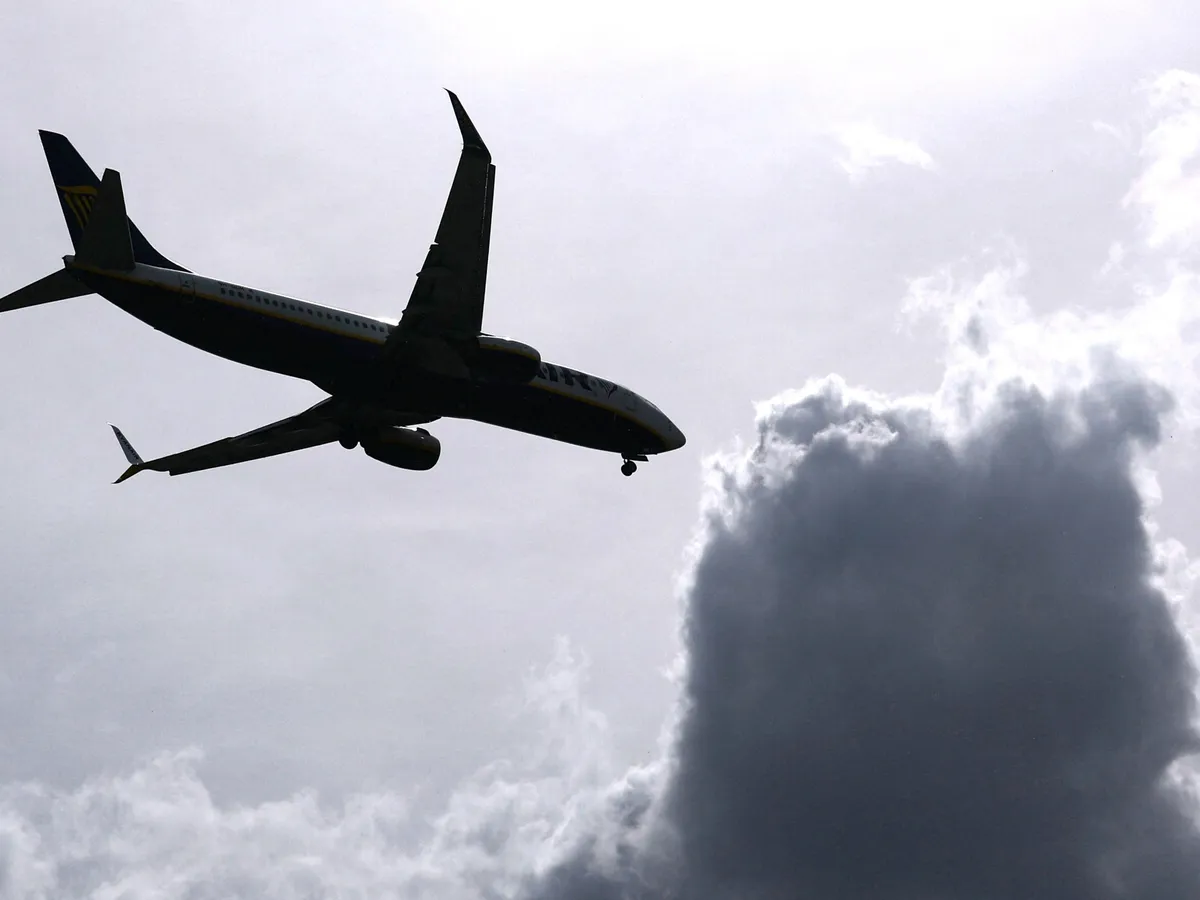
The blockade of the Strait of Hormuz is causing concern in Europe, which relies heavily on imported jet fuel.The European Union is mulling jet fuel imports from the United States and new minimum reserve quotas as it eyes options amid a supply crunch due to the Iran conflict.Despite mounting pressure on jet fuel supplies in the EU, there is no evidence of “actual shortages” of jet fuel currently, and widespread flight cancellations are not expected over the summer, Transport Commissioner Apostolos Tzitzikostas insisted on Tuesday.Recommended Stories list of 3 itemslist 1 of 3Oil prices surge amid mixed signals on US-Iran peace talkslist 2 of 3As Iran crisis drags on, fears of global food catastrophe growlist 3 of 3Strait of Hormuz: How a threat became a playbookend of listThe EU official’s bid to calm worries came amid the continued blockade of the Strait of Hormuz, which is normally the passage for one-fifth of the world’s oil and liquefied natural gas supplies, has raised concerns about supply across the globe.Last week, the head of the International Energy Agency, Fatih Birol, said that Europe has “maybe six weeks or so [of] jet fuel left”, warning of possible flight cancellations “soon” if oil supplies remain halted by the war.Tzitzikostas admitted that stocks were “under pressure” in parts of Europe, but said that the EU is following the situation closely, the market is responding to the pressure, and there were no signs of bottlenecks.He acknowledged that some carriers had cancelled flights, but asserted that it was on account of high fuel costs, not for lack of supply.Airlines will be provided with guidance on passenger rights and public service obligations in the event of jet fuel shortages, he said.The EU imports 30 to 40 percent of its jet fuel needs, with roughly half coming from the Middle East.“Europe maintains emergency stocks. These stocks can be and will be released only if necessary. At this stage, however, the market is managing the pressure, and there is no evidence of actual shortages,” Tzitzikostas said.
SRCAl Jazeera
LANGEN
OutletState media · Qatar
WORDS336
ENT8
TUE · 2026-04-21 · 20:33 GMTBRIEF NSR-2026-0421-71355
NSR-2026-0421-71355News Report·EN·Economic Impact
EU eyes options as Iran conflict threatens jet fuel shortages
The European Union is considering alternative jet fuel sources and implementing minimum reserve quotas amid concerns over a potential supply crunch due to the Iran conflict. The EU imports 30-40% of its jet fuel needs from the Middle East, with the Strait of Hormuz being a critical passage for global oil supplies.
By AFP and ReutersAl JazeeraFiled 2026-04-21 · 20:33 GMTOutlet · State media · QatarRead · 2 min
Al JazeeraFIG 01
Reading time
2min
Word count
336words
Sources cited
2cited
Entities identified
8entities
NEWSAR · AI
The European Union is considering alternative jet fuel sources and implementing minimum reserve quotas amid concerns over a potential supply crunch due to the Iran conflict. The EU imports 30-40% of its jet fuel needs from the Middle East, with the Strait of Hormuz being a critical passage for global oil supplies. Despite mounting pressure on jet fuel supplies, there is currently no evidence of actual shortages, and widespread flight cancellations are not expected over the summer. Transport Commissioner Apostolos Tzitzikostas stated that stocks are "under pressure" in some parts of Europe but emphasized that the EU has emergency stocks available to be released if necessary. The EU will provide guidance on passenger rights and public service obligations in the event of jet fuel shortages. Airlines have already cancelled flights due to high fuel costs, not a lack of supply.
Confidence 0.90Sources 2Claims 5Entities 8
Framing
Economic Impact
Political Strategy
Tone
Mixed Tone
AI-assessed
CalmNeutralAlarmist
Factuality
0.70 / 1.00
Factual
LowHigh
Sources cited
2
Limited
FewMany
01
The Strait of Hormuz is normally the passage for one-fifth of the world’s oil and liquefied natural gas supplies.
factualnull
Confidence
1.00
02
The EU imports 30 to 40 percent of its jet fuel needs, with roughly half coming from the Middle East.
statisticnull
Confidence
0.90
03
The EU is mulling jet fuel imports from the United States and new minimum reserve quotas.
factualnull
Confidence
0.90
04
There is no evidence of “actual shortages” of jet fuel currently in the EU.
quoteTransport Commissioner Apostolos Tzitzikostas
Confidence
0.80
05
Europe has “maybe six weeks or so [of] jet fuel left”.
quoteFatih Birol, head of the International Energy Agency
Confidence
0.70
§ 04
Full report
2 min read · 336 wordsKey playerOppositionContextPositiveNeutralNegative
Organizations2
jet fuel shortages
0.80
iran conflict
0.70
strait of hormuz blockade
0.60
jet fuel imports
0.50
eu energy policy
0.50
middle east oil supplies
0.40
§ 07
Connections
Who appears together in the newsIn this articleWider coverageLine weight = articles in common
Laying out network…
Strongest ties articles in common
- 12,267
- 3,992
- 3,563
- 2,077
- 1,810
- 1,175