OpinionHow Hong Kong can actively shape the foreign policy debate3-MIN READ3-MIN0ListenJinghan (Michael) Zeng is a professor in the Department of Public and International Affairs at City University of Hong Kong.Published: 9:30am, 22 Apr 2026Updated: 10:34am, 22 Apr 2026A year ago, after more than a decade in the United Kingdom and several years in the United States – including time working for the United Nations in New York City – I returned to Asia and arrived in Hong Kong expecting it to also be a leading hub for international relations.Hong Kong is often described as a “superconnector” between China and the world. Yet in one crucial domain – the study and practice of international relations – the city remains a paradox: globally connected, intellectually vibrant but structurally peripheral.This is not for lack of talent or institutions. Hong Kong’s universities host internationally trained scholars, regional security and Asia-focused area studies. Their research circulates in leading journals and contributes to global debates.Select VoiceSelect Speed0.8x0.9x1.0x1.1x1.2x1.5x1.75x00:0000:001.00x
SRCSouth China Morning Post
LANGEN
LEANCenter-Right
WORDS161
ENT9
WED · 2026-04-22 · 01:30 GMTBRIEF NSR-2026-0422-71396
NSR-2026-0422-71396Opinion·EN·Political Strategy
How Hong Kong can actively shape the foreign policy debate
Professor Jinghan Zeng, a professor at City University of Hong Kong, argues that despite being a globally connected and intellectually vibrant city, Hong Kong remains structurally peripheral in international relations. Despite hosting internationally trained scholars and contributing to global debates through research, the city lacks a strong presence in shaping foreign policy discussions.
Jinghan (Michael) ZengSouth China Morning PostFiled 2026-04-22 · 01:30 GMTLean · Center-RightRead · 1 min
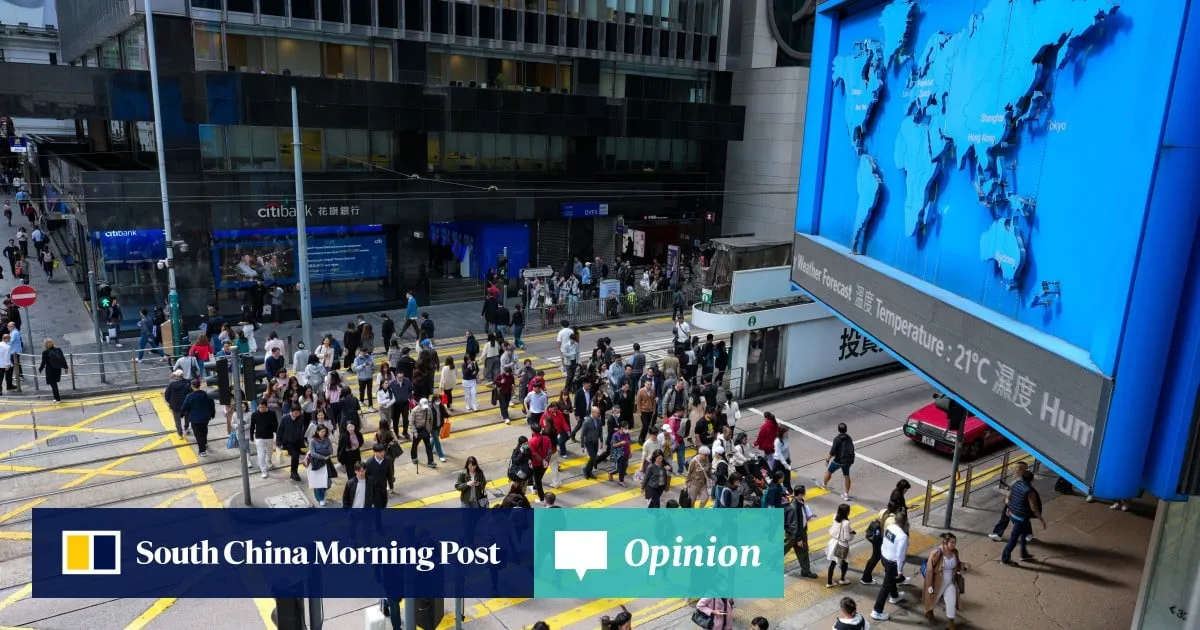
South China Morning PostFIG 01
Reading time
1min
Word count
161words
Sources cited
0cited
Entities identified
9entities
Quality score
100%
§ 01
Briefing Summary
AI-generatedNEWSAR · AI
Professor Jinghan Zeng, a professor at City University of Hong Kong, argues that despite being a globally connected and intellectually vibrant city, Hong Kong remains structurally peripheral in international relations. Despite hosting internationally trained scholars and contributing to global debates through research, the city lacks a strong presence in shaping foreign policy discussions. A year ago, Professor Zeng returned to Asia after working for the United Nations in New York City, expecting Hong Kong to be a leading hub for international relations. However, he notes that Hong Kong's universities host talented scholars and contribute to global debates, but their research is often overlooked. This structural issue hinders Hong Kong's ability to actively shape foreign policy debates, despite its status as a "superconnector" between China and the world.
Confidence 0.90Claims 3Entities 9
§ 02
Article analysis
Model · rule-basedFraming
Political Strategy
Diplomatic
Tone
Measured
AI-assessed
CalmNeutralAlarmist
Factuality
0.20 / 1.00
Opinion-Heavy
LowHigh
Sources cited
0
No named sources
FewMany
§ 03
Key claims
3 extracted01
Hong Kong’s universities host internationally trained scholars, regional security and Asia-focused area studies.
factualArticle
Confidence
0.90
02
Hong Kong remains a paradox: globally connected, intellectually vibrant but structurally peripheral in international relations.
factualArticle
Confidence
0.90
03
Hong Kong is often described as a “superconnector” between China and the world.
factualArticle
Confidence
0.80
§ 04
Full report
1 min read · 161 words§ 05
Entities
9 identifiedKey playerOppositionContextPositiveNeutralNegative
§ 06
Keywords & salience
8 termshong kong
1.00
foreign policy
0.90
international relations
0.80
global debate
0.60
china
0.50
superconnector
0.50
universities
0.40
asia
0.40
§ 07
Topic connections
Interactive graph Network visualization showing 51 related topics
View Full Graph Person Organization Location Event|Click node to navigate|Edge numbers = shared articles