Correspondents’ Dinner’s biggest moments involve laughs, cringing and high-stakes politics
The White House Correspondents' Dinner, a long-standing Washington event, has evolved into a prominent gathering for journalists, political figures, and celebrities. Historically, the dinner features a comedian who roasts attendees, followed by remarks from the President.
Briefing Summary
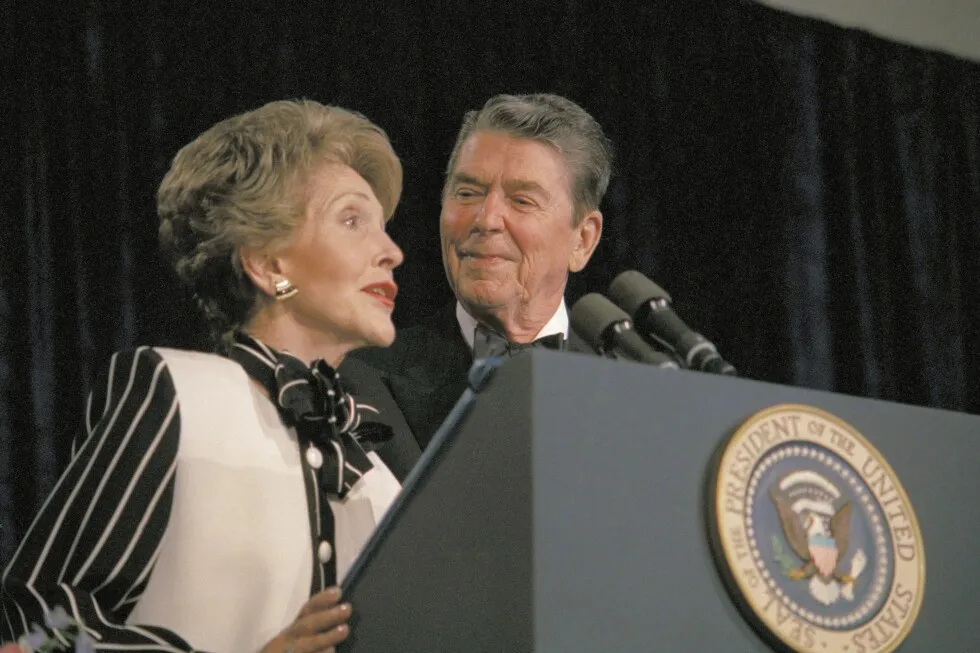
AI-generatedThe White House Correspondents' Dinner, a long-standing Washington event, has evolved into a prominent gathering for journalists, political figures, and celebrities. Historically, the dinner features a comedian who roasts attendees, followed by remarks from the President. Some dinners are remembered for viral moments, ranging from humorous to tense. A notable instance occurred in 1983 when President Ronald Reagan, despite his background as an actor, declined to deliver humorous remarks following a comedian's set, citing the recent deaths of Americans in the Lebanon embassy bombing. This decision highlighted the dinner's capacity for both lightheartedness and serious reflection, especially as it prepares for Donald Trump's first attendance as president.
Article analysis
Model · rule-basedKey claims
4 extractedReagan reminded the audience that he’d made “a sad journey” to Andrews Air Force Base earlier that day.
Comedians became an annual part of the dinner during Reagan’s presidency.
In 1983, Mark Russell offered relatively tame jabs at Ronald Reagan during the White House Correspondents' Dinner.
The White House Correspondents’ Dinner is identified by a red carpet for journalists, political staffers, business leaders and celebrities.