Li Bin, a doctor at the Lanzhou-university" class="entity-link entity-organization" data-entity-id="120316" data-entity-type="organization">First Hospital of Lanzhou University, was among the wave of Chinese consumers who snapped up Apple Mac Mini computers during the country’s frenzied adoption of the OpenClaw artificial intelligence agent earlier this year.The young surgeon from Lanzhou, the capital of northwestern China’s Gansu province, bought one to run the open-source program, using it to develop an app to extract and organise information from doctor-patient conversations and lab report photos into structured medical records, eliminating the need for tedious and time-consuming manual data entry.Thanks to AI, he said “a doctor with no coding training can build such applications at very low cost” to meet specific needs.
SRCSouth China Morning Post
LANGEN
LEANCenter-Right
WORDS111
ENT8
SAT · 2026-04-25 · 03:00 GMTBRIEF NSR-2026-0425-71625
NSR-2026-0425-71625News Report·EN·Technology
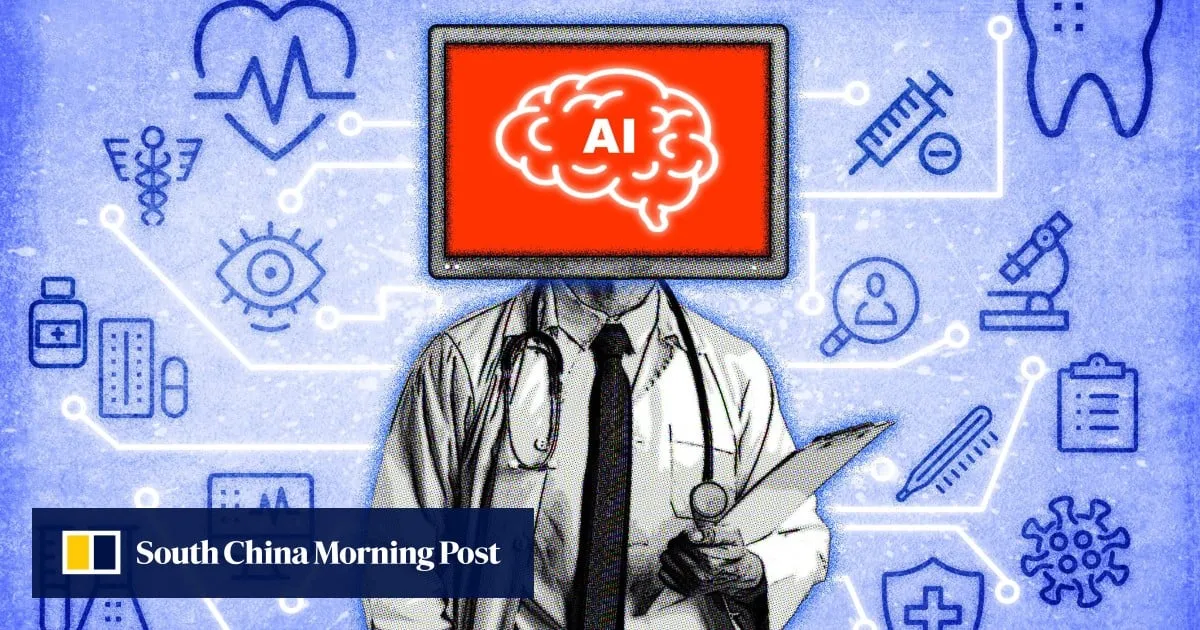
Just what the doctor ordered: how AI could help China bridge the medical resources gap
Chinese consumers, including Dr. Li Bin from Lanzhou University's First Hospital, are adopting AI agents like OpenClaw to address a medical resources gap.
Ben JiangSouth China Morning PostFiled 2026-04-25 · 03:00 GMTLean · Center-RightRead · 1 min
South China Morning PostFIG 01
Reading time
1min
Word count
111words
Sources cited
1cited
Entities identified
8entities
Quality score
100%
§ 01
Briefing Summary
AI-generatedNEWSAR · AI
Chinese consumers, including Dr. Li Bin from Lanzhou University's First Hospital, are adopting AI agents like OpenClaw to address a medical resources gap. Dr. Li utilized an Apple Mac Mini to run the AI program, developing an app that automates the extraction and organization of information from doctor-patient conversations and lab reports into structured medical records. This AI-powered solution eliminates manual data entry, allowing doctors without coding expertise to create custom applications cost-effectively. The adoption of such AI tools aims to improve efficiency and accessibility in healthcare, particularly in regions facing resource limitations.
Confidence 0.85Sources 1Claims 3Entities 8
§ 02
Article analysis
Model · rule-basedFraming
Technology
Economic Impact
Tone
Measured
AI-assessed
CalmNeutralAlarmist
Factuality
0.70 / 1.00
Factual
LowHigh
Sources cited
1
Limited
FewMany
§ 03
Key claims
3 extracted01
Li Bin developed an app to extract and organize information from doctor-patient conversations and lab reports.
factualarticle
Confidence
1.00
02
Li Bin bought an Apple Mac Mini to run the OpenClaw AI agent.
factualarticle
Confidence
1.00
03
A doctor with no coding training can build such applications at very low cost.
quoteLi Bin
Confidence
0.90
§ 04
Full report
1 min read · 111 words§ 05
Entities
8 identifiedKey playerOppositionContextPositiveNeutralNegative
People1
Organizations4
§ 06
Keywords & salience
8 termsartificial intelligence
1.00
medical resources gap
0.90
openclaw
0.80
healthcare
0.70
data entry
0.60
medical records
0.50
app development
0.40
coding training
0.40
§ 07
Topic connections
Interactive graph No topic relationship data available yet. This graph will appear once topic relationships have been computed.