Military spending in the Asia-Pacific rose at the fastest pace for 16 years in 2025 as US allies felt “growing uncertainty” over whether Washington would honour its security commitments, according to a new report.Total global spending reached US$2.89 trillion, an increase of 2.9 per cent from 2024, the Stockholm International Peace Research Institute (SIPRI) think tank said in its annual report on military expenditure published Monday.That marked the 11th consecutive year of increases and brought the global military burden to 2.5 per cent of gross domestic product (GDP), the highest since 2009.The top three military spenders – the United States, mainland China and Russia – spent a combined total of US$1.48 trillion, just over half of the global total.However, the global expansion in 2025 was slower than the 9.7 per cent figure recorded the year before, mostly due to a decline in US spending.SIPRI said the 7.5 per cent drop to US$954 billion was caused by Washington not approving any new military aid for Ukraine.
SRCSouth China Morning Post
LANGEN
LEANCenter-Right
WORDS165
ENT7
SUN · 2026-04-26 · 22:00 GMTBRIEF NSR-2026-0427-71859
NSR-2026-0427-71859News Report·EN·National Security
Trump factor drives up Asia-Pacific military spending at fastest pace since 2009
Military spending in the Asia-Pacific region surged at its fastest rate in 16 years in 2025, driven by concerns among US allies regarding Washington's commitment to security. Globally, military expenditure reached $2.89 trillion in 2025, a 2.9% increase from the previous year, marking the eleventh consecutive year of growth.
Seong Hyeon ChoiSouth China Morning PostFiled 2026-04-26 · 22:00 GMTLean · Center-RightRead · 1 min
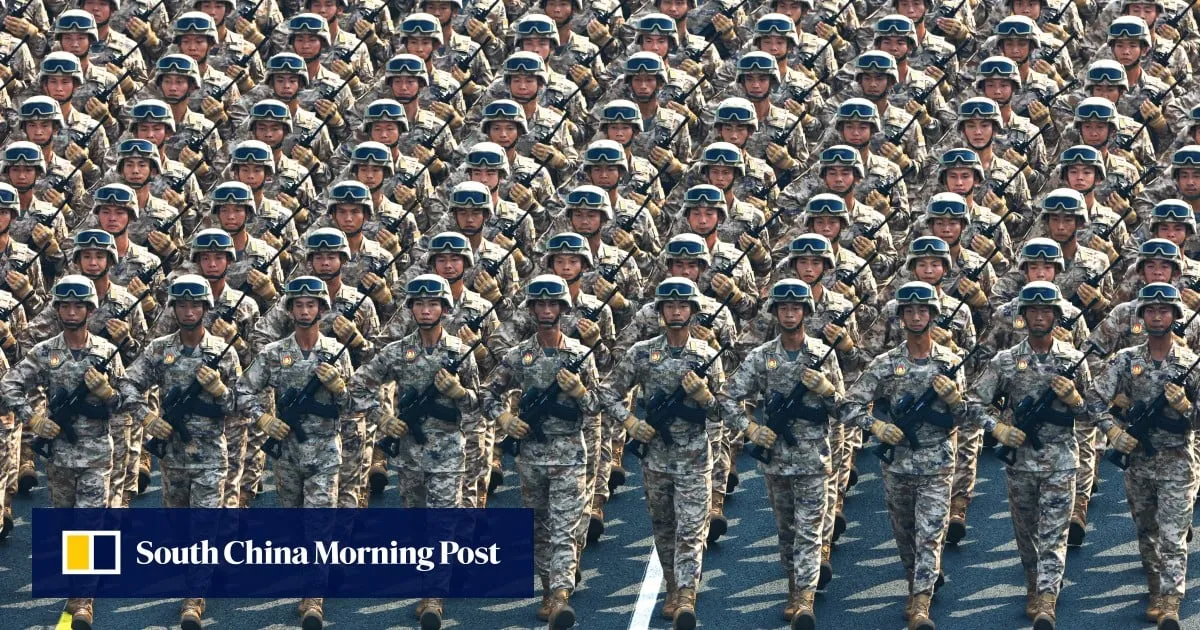
South China Morning PostFIG 01
Reading time
1min
Word count
165words
Sources cited
1cited
Entities identified
7entities
Quality score
100%
§ 01
Briefing Summary
AI-generatedNEWSAR · AI
Military spending in the Asia-Pacific region surged at its fastest rate in 16 years in 2025, driven by concerns among US allies regarding Washington's commitment to security. Globally, military expenditure reached $2.89 trillion in 2025, a 2.9% increase from the previous year, marking the eleventh consecutive year of growth. This global rise, however, was tempered by a 7.5% decrease in US spending, primarily due to the non-approval of new military aid for Ukraine. The Stockholm International Peace Research Institute (SIPRI) reported that the top three spenders—the United States, China, and Russia—accounted for over half of the total global military expenditure. The report highlights a growing uncertainty in the Asia-Pacific as a key factor behind the regional spending increase.
Confidence 0.90Sources 1Claims 5Entities 7
§ 02
Article analysis
Model · rule-basedFraming
National Security
Diplomatic
Tone
Measured
AI-assessed
CalmNeutralAlarmist
Factuality
0.90 / 1.00
Factual
LowHigh
Sources cited
1
Limited
FewMany
§ 03
Key claims
5 extracted01
The United States, mainland China and Russia spent a combined total of US$1.48 trillion, over half of the global total.
statisticStockholm International Peace Research Institute (SIPRI)
Confidence
1.00
02
The global military burden reached 2.5 per cent of gross domestic product (GDP), the highest since 2009.
statisticStockholm International Peace Research Institute (SIPRI)
Confidence
1.00
03
Total global military spending reached US$2.89 trillion in 2025, an increase of 2.9 per cent from 2024.
statisticStockholm International Peace Research Institute (SIPRI)
Confidence
1.00
04
Military spending in the Asia-Pacific rose at the fastest pace for 16 years in 2025.
statisticStockholm International Peace Research Institute (SIPRI)
Confidence
1.00
05
US military spending dropped 7.5 per cent to US$954 billion because Washington did not approve new military aid for Ukraine.
factualStockholm International Peace Research Institute (SIPRI)
Confidence
0.90
§ 04
Full report
1 min read · 165 words§ 05
Entities
7 identifiedKey playerOppositionContextPositiveNeutralNegative
§ 06
Keywords & salience
9 termsasia-pacific military spending
1.00
security commitments
0.90
global military spending
0.80
us military aid
0.70
stockholm international peace research institute
0.60
geopolitical uncertainty
0.50
military expenditure
0.50
gross domestic product
0.40
ukraine
0.40
§ 07
Topic connections
Interactive graph Network visualization showing 51 related topics
View Full Graph Person Organization Location Event|Click node to navigate|Edge numbers = shared articles