At the Jinjiang hub's core lies Chendai town, an area of around 40 sq km (15.4 sq miles) that is home to thousands of factories and suppliers. The district helped cement the city's reputation making shoes for global brands such as Nike and Adidas.Each hub brought together suppliers of laces, soles and fabric, as well as logistics firms that help to quickly turn designs into store-ready products and ship them out.By 2005, Fujian alone accounted for nearly a fifth of the world's shoes, according to estimates by the UN. As much as a third of Jinjiang's workers are still employed by one of thousands of shoe-makers in the city, which is among the highest-earning economic districts in China.Something similar has played out in various parts of China - Jinjiang was just one of many manufacturing clusters on the eastern coast alone. The others made clothes or electronics.This level of specialisation in manufacturing was unseen elsewhere in the world at the time, says University of Bath associate professor Fei Qin, who studied factories across eastern China in the 2000s.As foreign customers flocked to strike deals with these factories, the country reaped more than income. "They learned not only how to make more, but how to produce better, faster and more consistently," Fei adds. It was along these streets that Anta grew, making shoes in bulk and cheaply for global brands.It established a vast distribution network to retailers across China, which is crucial for manufacturers seeking to expand.At the same time, Anta was slowly getting its name out domestically, opening new shops and partnering with major sporting events, including national basketball and table tennis competitions.Firms like Anta know that there is more value in being a known brand rather than a subcontractor, Fei says. In 2007, Anta listed on the Hong Kong Stock Exchange, raising around HKD3.5bn (£330m; $450m) - a record then for a Chinese sports company. Getty ImagesAn Anta factory in Jinjiang in 2019Branding consultant Wei Kan, who worked with Converse and Nike in China, says Anta had stood out to him because of its fully fledged production hub that allowed it to design and sell shoes faster than its rivals.It was also among the few Chinese firms that targeted the same buyers as big Western brands, Kan says.Companies like Anta, which start off making goods for global brands, gradually learn the fundamentals of managing the business, do well in China and "naturally go on to bigger things", Kan adds.There are many others such as technology firm Xiaomi, which began as a software developer customising Android-based systems, before making its own phones, electronics and now, electric vehicles (EVs).Likewise, DJI made gear for cameras and drone components before it became an international drone maker in its own right.The best-known example is perhaps BYD, once a battery-maker for EV pioneers like Tesla and now the world's top manufacturer for the sector."Each of these firms are now giants in their fields," Kan says.Wooing the West Anta is now eyeing markets in the West.It runs more than 12,000 shops in China. The company also has more than 460 outlets outside of the country, with plans to have 1,000 shops operating in South East Asia alone in the next three years.But Nike, which still has the biggest market share in sports footwear, only has 1,000 shops across the world.Chinese firms have been known to expand quickly within the country, before venturing abroad where they encounter more challenges while scaling up.For one there is a perception challenge. Chinese products are often viewed as cheap, low-quality or copycat goods.Anta has tried to beat that with acquisitions, as part of an approach it calls a "multi-brand strategy". The first big move was buying the rights to Fila in China in 2009 and turning the Italy-founded brand into a major earner for its business, says Elisa Harca from Chinese marketing agency Red Ant Asia. In 2019, Anta bought a controlling stake in Finnish athletics brand Amer Sports. The deal gave Anta control of Amer's companies, which included upmarket brands Arc'teryx and Salomon.Anta also owns Wilson, the US maker of tennis rackets and balls used by the National Basketball Association. And this year, it bought a 29% stake in Puma, pledging to help the German firm grow in China.Getty ImagesKyrie Irving with the NBA ball by Wilson - now one of Anta's brandsThese are moves that help Anta avoid "forcing" its goods into every market and instead use its Western brands as a gateway, says business analyst Rufio Zhu from global sports marketing agency IMG.US tariffs have hit their earnings given they import goods made in Asia. Nike is also fighting to revive sales since its e‑commerce push backfired after Covid-19, and demand in China has slowed as well because of low consumption.Their struggles put Anta in a favourable position abroad, especially given consumers' growing appetite for other brands, says sports marketer Zhu."The question isn't whether Anta will raise their profile. It's whether competitors can adapt quickly enough to defend their home turf."Meanwhile, China is "setting its manufacturers up for the future" by rapidly deploying robots in factories, speeding up production and potentially cutting costs, Fei adds.The opening of Anta's first US outlet came after years of selling in the country through department stores.Its walls are lined with shelves of sneakers and basketball shoes - markets that Anta needs to win in the US to compete with Nike or Adidas. The company admits that it has some way to go. "We're realistic about the competition but the global sportswear landscape is not a zero-sum game," an Anta spokesperson tells the BBC.
SRCBBC News - World
LANGEN
LEANCenter
WORDS931
ENT6
MON · 2026-04-27 · 07:09 GMTBRIEF NSR-2026-0427-71898
NSR-2026-0427-71898News Report·EN·Economic Impact
The Chinese sports brand taking on Nike and Adidas
The Chinese sports brand Anta has emerged as a significant competitor to global giants like Nike and Adidas by leveraging Jinjiang's established manufacturing hub. This region, particularly Chendai town, has a long history of producing footwear for international brands, fostering expertise in rapid design-to-market production and efficient logistics.
BBC News - WorldFiled 2026-04-27 · 07:09 GMTLean · CenterRead · 4 min
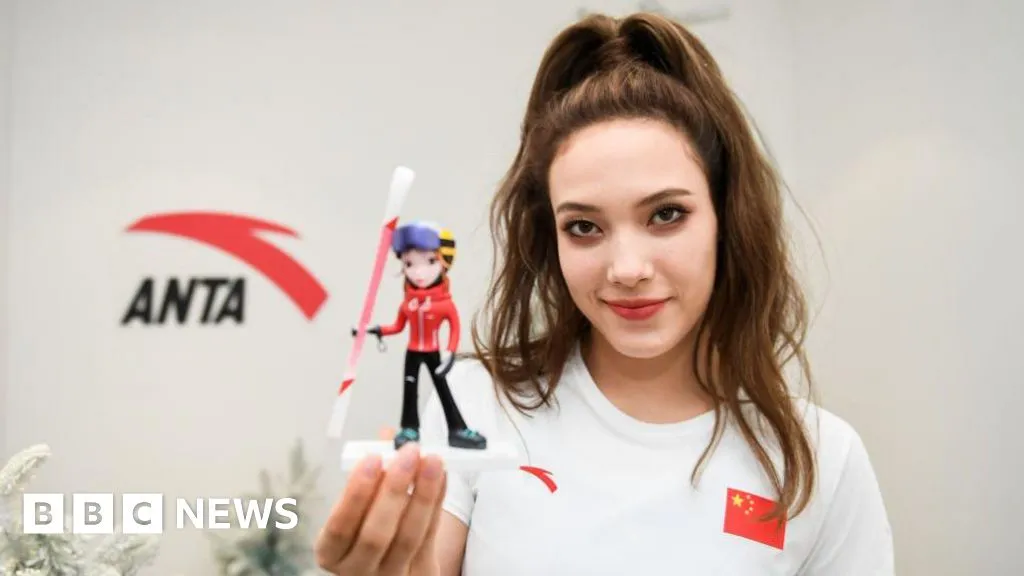
BBC News - WorldFIG 01
Reading time
4min
Word count
931words
Sources cited
3cited
Entities identified
6entities
Quality score
100%
§ 01
Briefing Summary
AI-generatedNEWSAR · AI
The Chinese sports brand Anta has emerged as a significant competitor to global giants like Nike and Adidas by leveraging Jinjiang's established manufacturing hub. This region, particularly Chendai town, has a long history of producing footwear for international brands, fostering expertise in rapid design-to-market production and efficient logistics. Anta capitalized on this infrastructure, initially manufacturing shoes in bulk for others, before building its own extensive distribution network and brand recognition within China through retail expansion and sports sponsorships. By learning from global brands and developing its own production capabilities, Anta has successfully transitioned from a subcontractor to a major player in the sports apparel market, listing on the Hong Kong Stock Exchange in 2007.
Confidence 0.90Sources 3Claims 3Entities 6
§ 02
Article analysis
Model · rule-basedFraming
Economic Impact
Tone
Measured
AI-assessed
CalmNeutralAlarmist
Factuality
0.80 / 1.00
Factual
LowHigh
Sources cited
3
Well sourced
FewMany
§ 03
Key claims
3 extracted01
As much as a third of Jinjiang's workers are still employed by one of thousands of shoe-makers in the city, which is among the highest-earning economic districts in China.
factual
Confidence
1.00
02
By 2005, Fujian alone accounted for nearly a fifth of the world's shoes, according to estimates by the UN.
statisticUN
Confidence
1.00
03
Companies like Anta, which start off making goods for global brands, gradually learn the fundamentals of managing the business, do well in China and 'naturally go on to bigger things'.
quote
Confidence
0.80
§ 04
Full report
4 min read · 931 words§ 05
Entities
6 identifiedKey playerOppositionContextPositiveNeutralNegative
People1
Organizations4
Locations1
§ 06
Keywords & salience
10 termschinese sports brand
1.00
manufacturing hub
0.90
anta
0.90
nike and adidas
0.80
global brands
0.70
specialisation in manufacturing
0.70
distribution network
0.60
branding
0.50
subcontractor
0.40
hong kong stock exchange
0.40
§ 07
Topic connections
Interactive graph No topic relationship data available yet. This graph will appear once topic relationships have been computed.