US-Israeli attacks on Iran under the pretext of ending a nuclear weapons programme are damaging confidence in the NPT.International security expert.Published On 27 Apr 2026On April 27, states party to the Treaty on the Non-Proliferation of Nuclear Weapons (NPT) will gather in New York to begin their five-year review of its function. This year, the review conference opens under the shadow of the war that the US and Israel launched on Iran under the pretext that it was about to develop a nuclear weapon.As the 191 state parties gather to review the NPT, the grand bargain at the heart of this treaty will be put on trial.The treaty, which entered into force in 1970, is the central agreement through which most states accepted the current nuclear order. Non-nuclear-weapon states under the treaty (including Iran) have agreed never to acquire nuclear weapons, while the five recognised nuclear-weapon states (the US, the UK, France, China and Russia) have agreed to curb the spread of nuclear weapons, and to also to pursue the disarmament of their own nuclear stockpiles.All parties to the NPT retain the right to pursue peaceful nuclear technology, under safeguards overseen by the International Atomic Energy Agency (IAEA). Every five years, states meet to review whether that bargain is still being honoured. That is why this conference is happening now.The problem is that Iran’s case now raises a deeply uncomfortable question for the review conference: Does NPT membership offer any degree of protection for its non-nuclear-weapon states?To be fair, Iran is unlike any other non-nuclear-weapon state under the NPT, and has given the world reasons to be concerned about its nuclear activities. The IAEA has raised questions about Iran’s unresolved safeguards issues, limited inspector access and its accumulation of uranium enriched far beyond normal civilian needs.
SRCAl Jazeera
LANGEN
LEANCenter
WORDS296
MON · 2026-04-27 · 08:43 GMTBRIEF NSR-2026-0427-71904
NSR-2026-0427-71904Analysis·EN·Diplomatic
The war on Iran is eroding nuclear non-proliferation
On April 27, 2026, states party to the Treaty on the Non-Proliferation of Nuclear Weapons (NPT) will convene in New York for their five-year review conference. This meeting occurs amidst a US-Israeli war against Iran, launched under the premise of preventing Iran from developing nuclear weapons.
Olamide SamuelAl JazeeraFiled 2026-04-27 · 08:43 GMTLean · CenterRead · 2 min
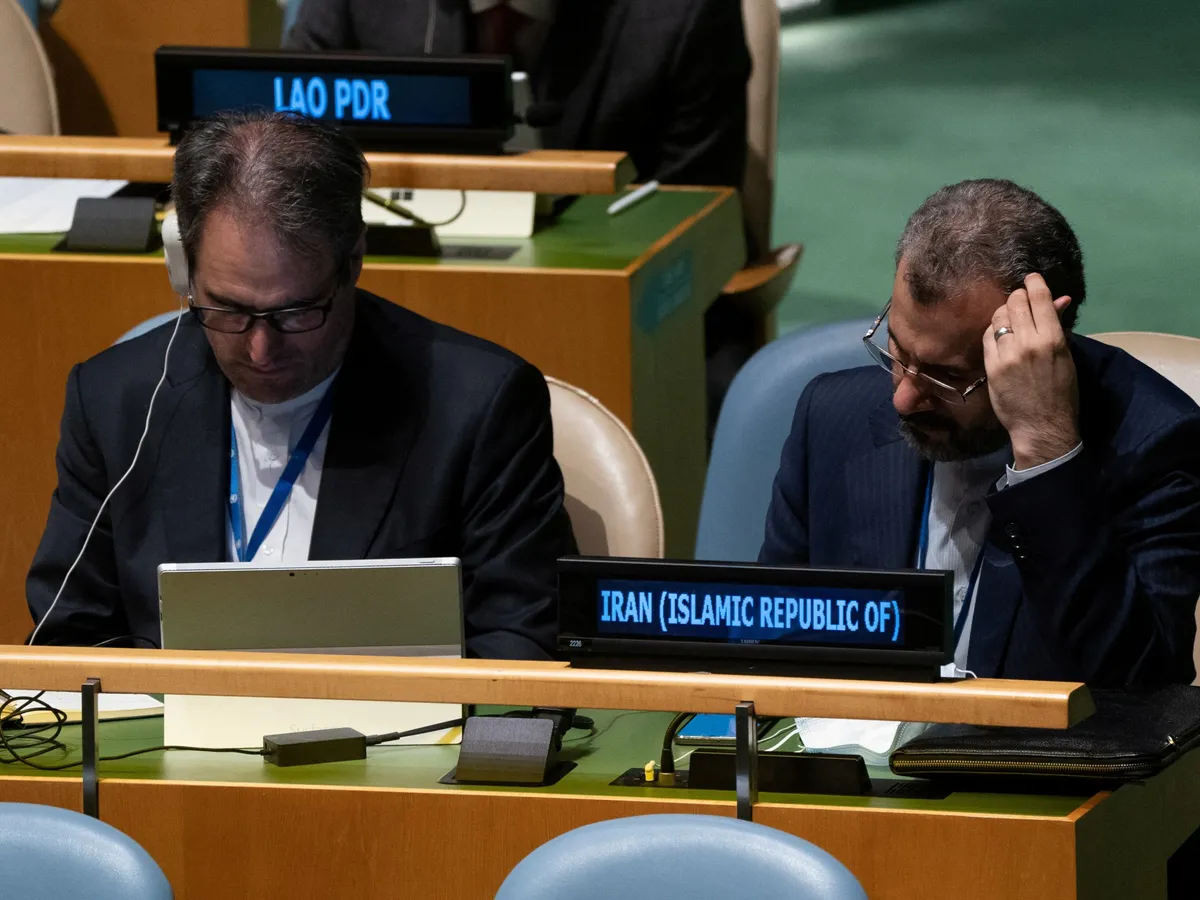
Al JazeeraFIG 01
Reading time
2min
Word count
296words
Sources cited
0cited
Entities identified
0entities
Quality score
75%
§ 01
Briefing Summary
AI-generatedNEWSAR · AI
On April 27, 2026, states party to the Treaty on the Non-Proliferation of Nuclear Weapons (NPT) will convene in New York for their five-year review conference. This meeting occurs amidst a US-Israeli war against Iran, launched under the premise of preventing Iran from developing nuclear weapons. The NPT's core bargain, where non-nuclear states forgo weapons in exchange for disarmament commitments from nuclear powers and the right to peaceful nuclear technology, is being tested. The conflict raises questions about the treaty's ability to protect non-nuclear states, even as Iran faces scrutiny from the IAEA regarding its nuclear program.
Confidence 0.90Claims 5
§ 02
Article analysis
Model · rule-basedFraming
Diplomatic
Conflict
Tone
Sensational
AI-assessed
CalmNeutralAlarmist
Factuality
0.40 / 1.00
Mixed
LowHigh
Sources cited
0
No named sources
FewMany
§ 03
Key claims
5 extracted01
States party to the NPT gather every five years to review the treaty's function and the grand bargain between nuclear and non-nuclear states.
factual
Confidence
1.00
02
The IAEA has raised questions regarding Iran's unresolved safeguards issues and accumulation of highly enriched uranium.
factualInternational Atomic Energy Agency
Confidence
1.00
03
The Treaty on the Non-Proliferation of Nuclear Weapons (NPT) entered into force in 1970 and has 191 state parties.
factual
Confidence
1.00
04
The US and Israel launched a war on Iran under the pretext of preventing it from developing a nuclear weapon.
factual
Confidence
0.90
05
The war on Iran is eroding confidence in the NPT and raising questions about the protection it offers non-nuclear-weapon states.
predictionInternational security expert
Confidence
0.80
§ 04
Full report
2 min read · 296 words§ 06
Keywords & salience
8 termsnpt
1.00
nuclear non-proliferation
1.00
iran nuclear program
0.90
us-israeli attacks
0.80
nuclear weapons
0.70
iaea
0.60
peaceful nuclear technology
0.50
disarmament
0.40
§ 07
Topic connections
Interactive graph No topic relationship data available yet. This graph will appear once topic relationships have been computed.