While China has begun to put pressure on Iran to end its blockade of the Strait of Hormuz, its statements have been carefully worded, experts say, showing how the prolonged conflict is testing Beijing’s relationship with Tehran.President Xi Jinping told Saudi Arabia’s Crown Prince Mohammed bin Salman last week that China wanted an “immediate and comprehensive ceasefire” and explicitly demanded that the waterway “ remain open to normal passage”, without naming Iran or the US.Speaking at the United Nations earlier this month, Chinese ambassador Fu Cong was more explicit. While condemning the US and Israeli strikes on Iran as violations of the UN Charter, he pointedly declared that “China does not go along with Iran’s attacks on Gulf states and the blockade of the Strait of Hormuz.”
SRCSouth China Morning Post
LANGEN
LEANCenter-Right
WORDS127
TUE · 2026-04-28 · 15:00 GMTBRIEF NSR-2026-0428-72270
NSR-2026-0428-72270Analysis·EN·Diplomatic
China’s calls to open Hormuz show the limits of its ties to Iran, experts say
China is publicly urging an end to the blockade of the Strait of Hormuz, a move that experts suggest highlights the strain on its relationship with Iran. President Xi Jinping called for an "immediate and comprehensive ceasefire" and stressed the waterway must "remain open to normal passage" during a meeting with Saudi Arabia's Crown Prince.
Shi JiangtaoSouth China Morning PostFiled 2026-04-28 · 15:00 GMTLean · Center-RightRead · 1 min
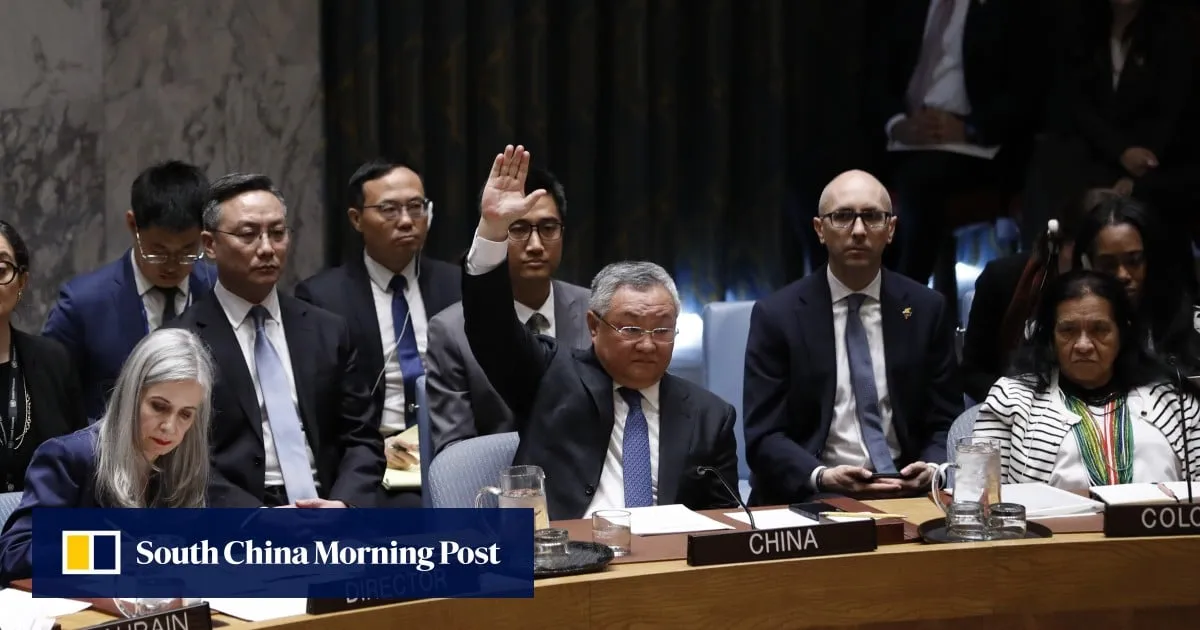
South China Morning PostFIG 01
Reading time
1min
Word count
127words
Sources cited
4cited
Entities identified
0entities
Quality score
75%
§ 01
Briefing Summary
AI-generatedNEWSAR · AI
China is publicly urging an end to the blockade of the Strait of Hormuz, a move that experts suggest highlights the strain on its relationship with Iran. President Xi Jinping called for an "immediate and comprehensive ceasefire" and stressed the waterway must "remain open to normal passage" during a meeting with Saudi Arabia's Crown Prince. Earlier, Chinese ambassador Fu Cong explicitly stated that China does not support Iran's actions against Gulf states or the blockade. These statements, while carefully worded, indicate China's desire for stability in the region and its discomfort with Iran's actions, despite their broader ties. The calls demonstrate the challenges Beijing faces in balancing its interests amidst the ongoing conflict.
Confidence 0.85Sources 4Claims 5
§ 02
Article analysis
Model · rule-basedFraming
Diplomatic
Conflict
Tone
Measured
AI-assessed
CalmNeutralAlarmist
Factuality
0.75 / 1.00
Factual
LowHigh
Sources cited
4
Well sourced
FewMany
§ 03
Key claims
5 extracted01
China condemned US and Israeli strikes on Iran as violations of the UN Charter.
factualFu Cong
Confidence
1.00
02
Chinese ambassador Fu Cong declared that China does not go along with Iran’s attacks on Gulf states and the blockade of the Strait of Hormuz.
quoteFu Cong
Confidence
1.00
03
President Xi Jinping told Saudi Arabia’s Crown Prince that China wanted an immediate and comprehensive ceasefire.
quoteXi Jinping
Confidence
1.00
04
Xi Jinping explicitly demanded that the waterway remain open to normal passage without naming Iran or the US.
factualXi Jinping
Confidence
0.95
05
China has begun to put pressure on Iran to end its blockade of the Strait of Hormuz.
factualexperts
Confidence
0.80
§ 04
Full report
1 min read · 127 words§ 06
Keywords & salience
9 termsstrait of hormuz
1.00
china-iran relations
0.90
blockade
0.80
ceasefire
0.70
xi jinping
0.60
un charter
0.50
gulf states
0.40
us strikes
0.40
israeli strikes
0.40
§ 07
Topic connections
Interactive graph Network visualization showing 51 related topics
View Full Graph Person Organization Location Event|Click node to navigate|Edge numbers = shared articles