China is the United States’ “most consequential threat and competitor in space,” leveraging its capabilities “as a tool of diplomacy and influence”, US lawmakers were told at a congressional hearing on Wednesday, as the two countries’ race to the moon intensifies.The US and China are locked in a high-stakes space race, with both nations aiming to put astronauts on the moon in the coming years. While China has set a 2030 target for its first crewed lunar landing, the US’ Artemis programme aims to return astronauts to the lunar surface by 2028 and to begin establishing an outpost by 2030, setting up a tight race between the two superpowers.“As nations align with either the US or China in standards, the winner will not just supply technology – it will set the terms by which information flows, networks interoperate, and how the world is seen,” said Kari Bingen, director of the Aerospace Security Project at the Centre for Strategic and International Studies, at a hearing of the House Foreign Affairs Subcommittee on Europe.
SRCSouth China Morning Post
LANGEN
LEANCenter-Right
WORDS172
ENT5
WED · 2026-04-29 · 23:30 GMTBRIEF NSR-2026-0430-72600
NSR-2026-0430-72600News Report·EN·National Security
US lawmakers warn China is top space rival as race to the moon intensifies
US lawmakers have identified China as the primary space competitor, warning of its growing capabilities and use of space as a diplomatic tool. This comes as the United States and China are engaged in an intensified race to the moon.
Lucy QuagginSouth China Morning PostFiled 2026-04-29 · 23:30 GMTLean · Center-RightRead · 1 min
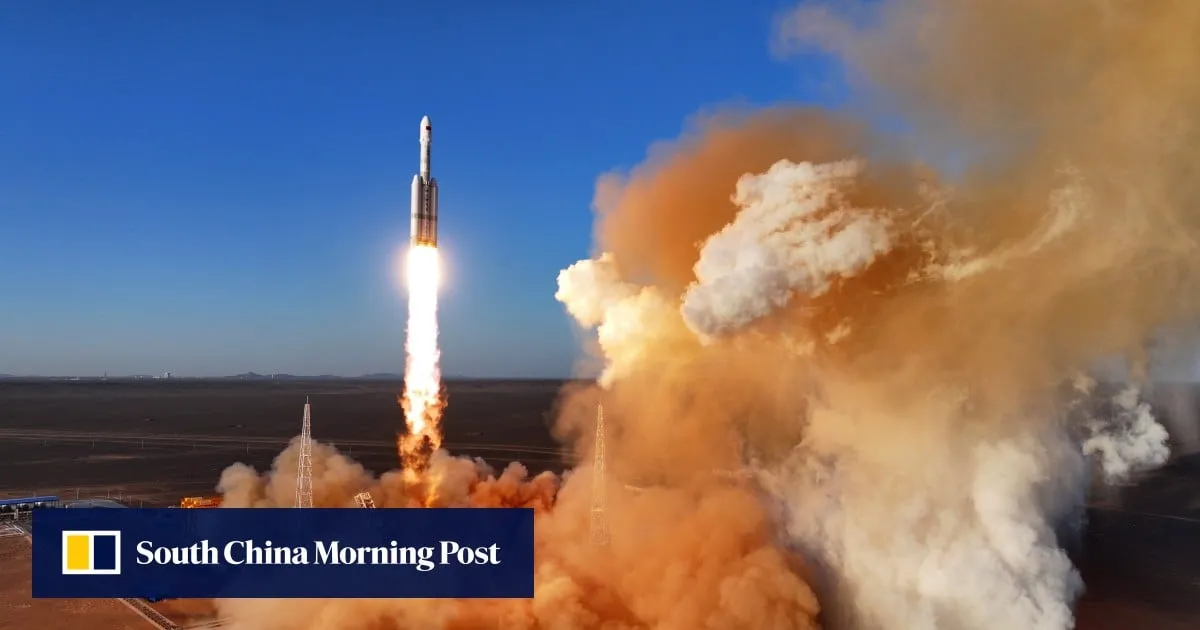
South China Morning PostFIG 01
Reading time
1min
Word count
172words
Sources cited
2cited
Entities identified
5entities
Quality score
100%
§ 01
Briefing Summary
AI-generatedNEWSAR · AI
US lawmakers have identified China as the primary space competitor, warning of its growing capabilities and use of space as a diplomatic tool. This comes as the United States and China are engaged in an intensified race to the moon. China aims for a crewed lunar landing by 2030, while the US Artemis program targets a return to the moon by 2028 and the establishment of an outpost by 2030. Experts testified before a House Foreign Affairs Subcommittee that the nation that leads in setting space standards will influence global information flow and interoperability. The competition extends beyond technological prowess, shaping how the world perceives and interacts with space.
Confidence 0.90Sources 2Claims 4Entities 5
§ 02
Article analysis
Model · rule-basedFraming
National Security
Tone
Measured
AI-assessed
CalmNeutralAlarmist
Factuality
0.75 / 1.00
Factual
LowHigh
Sources cited
2
Limited
FewMany
§ 03
Key claims
4 extracted01
The US and China are locked in a high-stakes space race, with both nations aiming to put astronauts on the moon in the coming years.
factualnull
Confidence
1.00
02
The US' Artemis programme aims to return astronauts to the lunar surface by 2028.
factualnull
Confidence
1.00
03
China has set a 2030 target for its first crewed lunar landing.
factualnull
Confidence
1.00
04
As nations align with either the US or China in standards, the winner will not just supply technology – it will set the terms by which information flows, networks interoperate, and how the world is seen.
quoteKari Bingen, director of the Aerospace Security Project at the Centre for Strategic and International Studies
Confidence
0.80
§ 04
Full report
1 min read · 172 words§ 05
Entities
5 identifiedKey playerOppositionContextPositiveNeutralNegative
§ 06
Keywords & salience
8 termsspace race
1.00
china
0.90
united states
0.90
moon landing
0.80
artemis program
0.70
space security
0.60
geopolitics
0.50
congressional hearing
0.40
§ 07
Topic connections
Interactive graph Network visualization showing 51 related topics
View Full Graph Person Organization Location Event|Click node to navigate|Edge numbers = shared articles