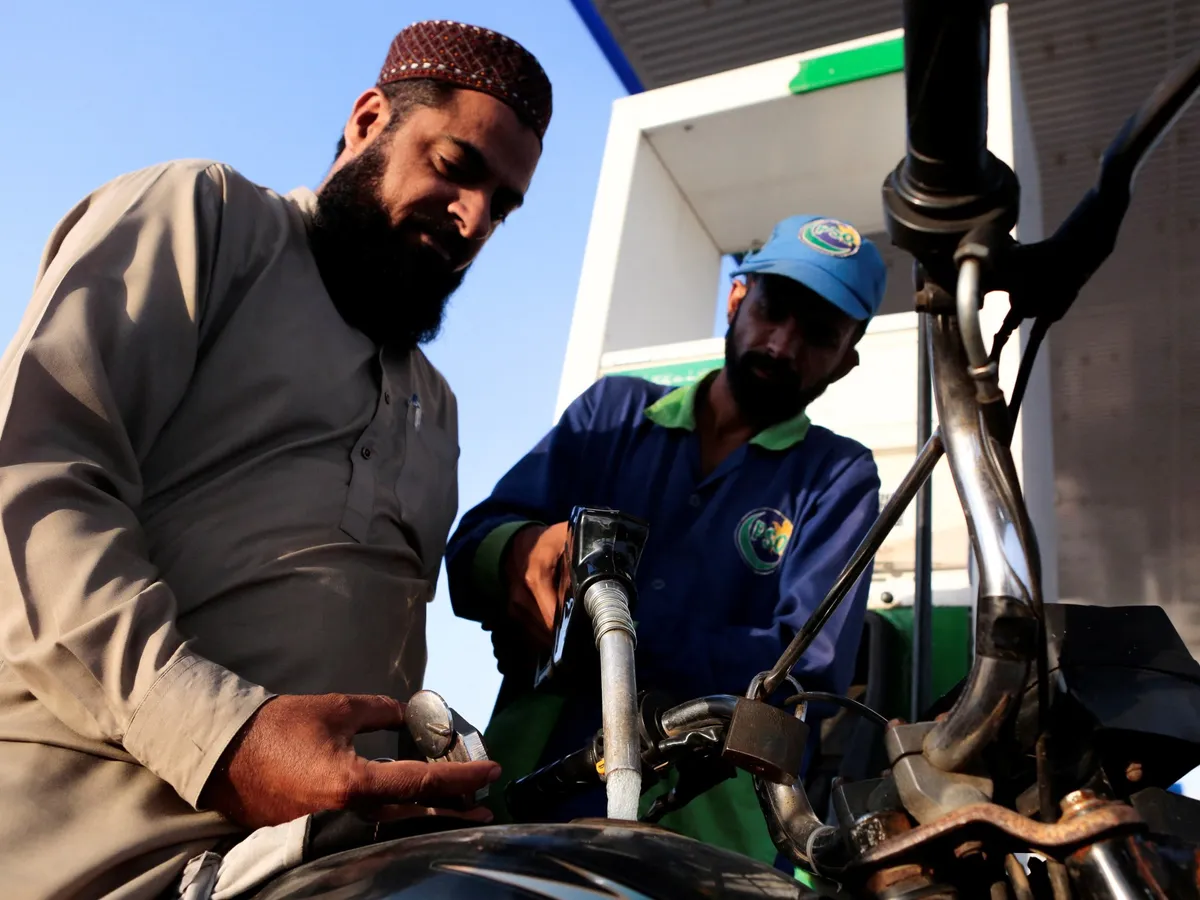
A huge increase in Pakistan’s fuel import bill from $300 to $800 billion is putting more pressure on the economy.The most serious fuel price shock to hit Pakistan in more than half a century threatens to unleash a flood of cascading crises that could batter all aspects of the economy and undermine the government of Prime Minister Shehbaz Sharif.Earlier this week, Sharif said Pakistan’s oil import bill had surged from $300 million before the conflict to $800 million now, which he said erased all the economic progress the country had made over the past two years. Analysts say the knock-on effects will be increasingly severe, impacting everything from agriculture and transport to the price of food and basic goods, worsening the plight of families already facing a cost-of-living crisis.Recommended Stories list of 3 itemslist 1 of 3Iranian FM Araghchi to visit Pakistan, as talks with US set to resumelist 2 of 3Oil prices rise despite Iran’s proposal to reopen Strait of Hormuzlist 3 of 3Iran-Iraq Tanker War redux? Why the Strait of Hormuz crisis is differentend of list“Conventional economics tells us that oil price hikes trigger a chain reaction across the economy,” economist Kamran Butt told the Dawn newspaper. “They increase transportation costs, push up the prices of daily-use commodities and food items, raise the overall cost of living, reduce purchasing power, increase poverty and unemployment, slow economic activity and eventually fuel public discontent as quality of life deteriorates.”The State Bank of Pakistan raised its key policy rate by a full percentage point to 11.5 percent.The bank said: “The Committee noted that prolonging the Middle East conflict has intensified risks to the macroeconomic outlook. In particular, the global energy prices, freight charges and insurance premiums continue to remain significantly above pre-conflict levels. Furthermore, the supply chain disruptions have contributed to the prevailing uncertainty.”
SRCAl Jazeera
LANGEN
LEANCenter
WORDS303
THU · 2026-04-30 · 12:09 GMTBRIEF NSR-2026-0430-72768
NSR-2026-0430-72768News Report·EN·Economic Impact
Soaring fuel prices in Pakistan threaten economic and political crises
Pakistan is facing a severe economic and political crisis due to a dramatic surge in its fuel import bill, which has tripled from $300 million to $800 million. This significant increase, attributed to rising global energy prices exacerbated by the Middle East conflict, threatens to destabilize the economy and undermine Prime Minister Shehbaz Sharif's government.
By ReutersAl JazeeraFiled 2026-04-30 · 12:09 GMTLean · CenterRead · 2 min
Al JazeeraFIG 01
Reading time
2min
Word count
303words
Sources cited
3cited
Entities identified
0entities
Quality score
75%
§ 01
Briefing Summary
AI-generatedNEWSAR · AI
Pakistan is facing a severe economic and political crisis due to a dramatic surge in its fuel import bill, which has tripled from $300 million to $800 million. This significant increase, attributed to rising global energy prices exacerbated by the Middle East conflict, threatens to destabilize the economy and undermine Prime Minister Shehbaz Sharif's government. The escalating fuel costs are expected to trigger a chain reaction, impacting agriculture, transportation, food prices, and the cost of basic goods, worsening an existing cost-of-living crisis for families. In response, the State Bank of Pakistan has raised its key policy rate to 11.5 percent, acknowledging the intensified macroeconomic risks from prolonged conflict and supply chain disruptions.
Confidence 0.90Sources 3Claims 5
§ 02
Article analysis
Model · rule-basedFraming
Economic Impact
Political Strategy
Tone
Mixed Tone
AI-assessed
CalmNeutralAlarmist
Factuality
0.75 / 1.00
Factual
LowHigh
Sources cited
3
Well sourced
FewMany
§ 03
Key claims
5 extracted01
The State Bank of Pakistan raised its key policy rate by a full percentage point to 11.5 percent.
factualState Bank of Pakistan
Confidence
1.00
02
Global energy prices, freight charges and insurance premiums continue to remain significantly above pre-conflict levels.
factualState Bank of Pakistan
Confidence
0.95
03
Pakistan’s oil import bill surged from $300 million before the conflict to $800 million now.
statisticShehbaz Sharif
Confidence
0.90
04
Oil price hikes trigger a chain reaction across the economy, increasing transportation costs and poverty.
quoteKamran Butt
Confidence
0.85
05
The fuel price shock threatens to unleash a flood of cascading crises that could undermine the government of Prime Minister Shehbaz Sharif.
prediction
Confidence
0.70
§ 04
Full report
2 min read · 303 words§ 06
Keywords & salience
10 termseconomic crisis
1.00
fuel prices
1.00
political crisis
0.90
pakistan
0.90
import bill
0.80
cost of living
0.70
macroeconomic outlook
0.60
energy prices
0.50
supply chain disruptions
0.50
shehbaz sharif
0.40
§ 07
Topic connections
Interactive graph Network visualization showing 7 related topics
View Full Graph Person Organization Location Event|Click node to navigate|Edge numbers = shared articles