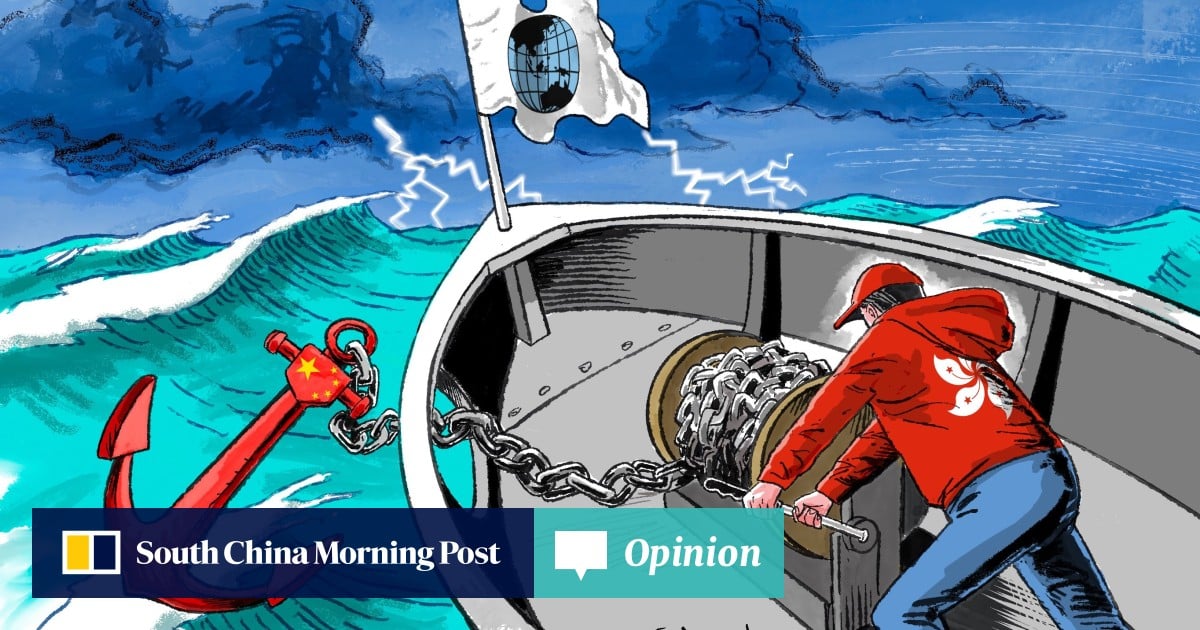
The international order is under mounting strain. In recent years, unilateralism, protectionism and the selective application of international law have eroded confidence in the rules-based frameworks that once underpinned global cooperation. The return of Donald Trump to the centre of American politics, along with the policy instincts the US president represents, has only reinforced concerns that the United States may continue to privilege narrow domestic calculations over international responsibility.This is not merely a matter of style or rhetoric. From tariff escalations and extraterritorial sanctions to military interventions in open disregard of multilateral norms, Washington has repeatedly undermined the global order and, at times, international law, deepening the instability of an already fragile global order.The effects are cumulative. Over the past year, the US has further retreated from international commitments and organisations. The January 7 Presidential Memorandum, titled “Withdrawing the United States from International Organisations, Conventions, and Treaties that Are Contrary to the Interests of the United States”, ordered US withdrawal from 66 organisations and UN agencies. It also said Trump’s “review” was “ongoing”.
SRCSouth China Morning Post
LANGEN
LEANCenter-Right
WORDS173
ENT6
THU · 2026-04-30 · 12:30 GMTBRIEF NSR-2026-0430-72786
NSR-2026-0430-72786Opinion·EN·Diplomatic
A world adrift looks to China for institutional anchors. Enter Hong Kong
The international order is facing significant strain due to unilateralism, protectionism, and selective application of international law, eroding confidence in global cooperation frameworks. Concerns about the United States prioritizing domestic interests over international responsibility have been amplified by the potential return of Donald Trump to American politics.
Bryan Luk,Leonard LukSouth China Morning PostFiled 2026-04-30 · 12:30 GMTLean · Center-RightRead · 1 min
South China Morning PostFIG 01
Reading time
1min
Word count
173words
Sources cited
0cited
Entities identified
6entities
Quality score
100%
§ 01
Briefing Summary
AI-generatedNEWSAR · AI
The international order is facing significant strain due to unilateralism, protectionism, and selective application of international law, eroding confidence in global cooperation frameworks. Concerns about the United States prioritizing domestic interests over international responsibility have been amplified by the potential return of Donald Trump to American politics. The article highlights US actions, such as tariff escalations, extraterritorial sanctions, and disregard for multilateral norms, as undermining global stability. Furthermore, the US has withdrawn from numerous international organizations and UN agencies, indicating a continued retreat from international commitments. In this context of a weakening global order, the article suggests that China, and specifically Hong Kong, may be looked to for institutional anchors.
Confidence 0.90Claims 4Entities 6
§ 02
Article analysis
Model · rule-basedFraming
Diplomatic
Political Strategy
Tone
Sensational
AI-assessed
CalmNeutralAlarmist
Factuality
0.30 / 1.00
Opinion-Heavy
LowHigh
Sources cited
0
No named sources
FewMany
§ 03
Key claims
4 extracted01
Donald Trump’s review of international organisations, conventions, and treaties is ongoing.
factualJanuary 7 presidential memorandum
Confidence
1.00
02
The January 7 presidential memorandum ordered US withdrawal from 66 organisations and UN agencies.
factual
Confidence
1.00
03
The United States has repeatedly undermined the global order through tariff escalations and extraterritorial sanctions.
factual
Confidence
0.90
04
Unilateralism, protectionism and the selective application of international law have eroded confidence in rules-based frameworks.
factual
Confidence
0.85
§ 04
Full report
1 min read · 173 words§ 05
Entities
6 identified§ 06
Keywords & salience
10 termsinternational order
1.00
rules-based frameworks
0.90
global cooperation
0.80
protectionism
0.70
unilateralism
0.70
international law
0.70
united states
0.60
donald trump
0.50
multilateral norms
0.50
international commitments
0.40
§ 07
Topic connections
Interactive graph Network visualization showing 51 related topics
View Full Graph Person Organization Location Event|Click node to navigate|Edge numbers = shared articles