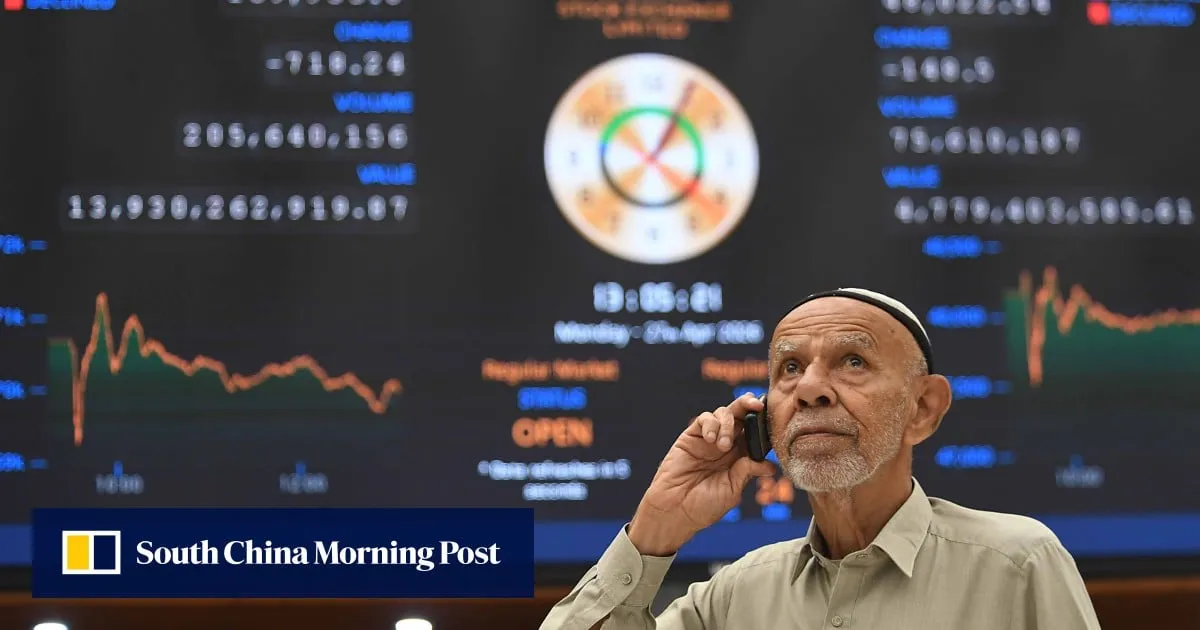
Pakistan’s bid to mediate between the US and Iran has put Islamabad near the centre of efforts to defuse the Middle East conflict, but with no lasting peace yet in sight, its fragile economy is becoming increasingly exposed to the fallout from the war.While soaring oil prices and disrupted flows through the Strait of Hormuz have led to turmoil in global energy markets, analysts said Pakistan has especially limited room to absorb the blow because of its thin foreign exchange reserves, dependence on imported energy and reliance on IMF-backed reforms.With peace efforts stalled after a temporary ceasefire earlier in April, one potential source of relief has faded, leaving Islamabad facing a rising import bill, tighter external financing and more conditional support from Gulf partners at a time when domestic energy curbs could weigh on growth.
SRCSouth China Morning Post
LANGEN
LEANCenter-Right
WORDS135
THU · 2026-04-30 · 12:28 GMTBRIEF NSR-2026-0430-72787
NSR-2026-0430-72787Analysis·EN·Economic Impact
Pakistan’s IMF-backed recovery under pressure as US-Iran mediation stalls
Pakistan's economy is facing increased pressure due to stalled US-Iran mediation efforts, which had positioned Islamabad as a mediator in the Middle East conflict. The ongoing tensions have led to soaring oil prices and disrupted energy flows, significantly impacting Pakistan's fragile economy.
Biman MukherjiSouth China Morning PostFiled 2026-04-30 · 12:28 GMTLean · Center-RightRead · 1 min
South China Morning PostFIG 01
Reading time
1min
Word count
135words
Sources cited
0cited
Entities identified
0entities
Quality score
75%
§ 01
Briefing Summary
AI-generatedNEWSAR · AI
Pakistan's economy is facing increased pressure due to stalled US-Iran mediation efforts, which had positioned Islamabad as a mediator in the Middle East conflict. The ongoing tensions have led to soaring oil prices and disrupted energy flows, significantly impacting Pakistan's fragile economy. With thin foreign exchange reserves and a reliance on imported energy, Pakistan is particularly vulnerable to these global energy market fluctuations. The failure to achieve lasting peace after a temporary ceasefire has diminished a potential source of relief, leaving Pakistan with a rising import bill and tighter external financing. This situation, coupled with domestic energy restrictions, poses a threat to Pakistan's economic growth, which is also dependent on IMF-backed reforms.
Confidence 0.85Claims 5
§ 02
Article analysis
Model · rule-basedFraming
Economic Impact
Diplomatic
Tone
Measured
AI-assessed
CalmNeutralAlarmist
Factuality
0.60 / 1.00
Mixed
LowHigh
Sources cited
0
No named sources
FewMany
§ 03
Key claims
5 extracted01
Soaring oil prices and disrupted flows through the Strait of Hormuz have caused turmoil in global energy markets.
factualanalysts
Confidence
0.90
02
Pakistan is attempting to mediate between the US and Iran to defuse conflict in the Middle East.
factual
Confidence
0.90
03
Pakistan has thin foreign exchange reserves and a high dependence on imported energy, limiting its ability to absorb global energy market shocks.
factualanalysts
Confidence
0.90
04
Peace efforts between the US and Iran have stalled following a temporary ceasefire earlier in April.
factual
Confidence
0.80
05
Domestic energy curbs in Pakistan could weigh on the country's economic growth.
prediction
Confidence
0.70
§ 04
Full report
1 min read · 135 words§ 06
Keywords & salience
10 termspakistan economy
1.00
us-iran mediation
1.00
imf-backed reforms
0.90
middle east conflict
0.80
oil prices
0.70
strait of hormuz
0.60
imported energy
0.50
foreign exchange reserves
0.50
import bill
0.40
domestic energy curbs
0.40
§ 07
Topic connections
Interactive graph No topic relationship data available yet. This graph will appear once topic relationships have been computed.