Singapore and Thailand ranked among the world’s “least miserable” economies in an annual index compiled by a Johns Hopkins University economist, who said Southeast Asia was one of the “healthiest economic neighbourhoods” in the world.The 2025 Hanke’s Annual Misery Index (HAMI), compiled by applied economics professor Steve Hanke, measures the “economic temperature” of a country and seeks to approximate how its average citizen experiences the economy.This year’s HAMI found that several Southeast Asian economies had a combination of low inflation, steady employment, manageable borrowing costs and income growth – leaving households feeling less economic strain.
SRCSouth China Morning Post
LANGEN
LEANCenter-Right
WORDS95
ENT6
FRI · 2026-05-01 · 12:58 GMTBRIEF NSR-2026-0501-73020
NSR-2026-0501-73020News Report·EN·Economic Impact
Why Singapore, Thailand are among the world’s ‘happiest’ economies
Singapore and Thailand have been recognized as having some of the world's "least miserable" economies in the 2025 Hanke's Annual Misery Index (HAMI). This index, compiled by Johns Hopkins University economist Steve Hanke, assesses a country's economic well-being from the perspective of its average citizen.
Sam BeltranSouth China Morning PostFiled 2026-05-01 · 12:58 GMTLean · Center-RightRead · 1 min
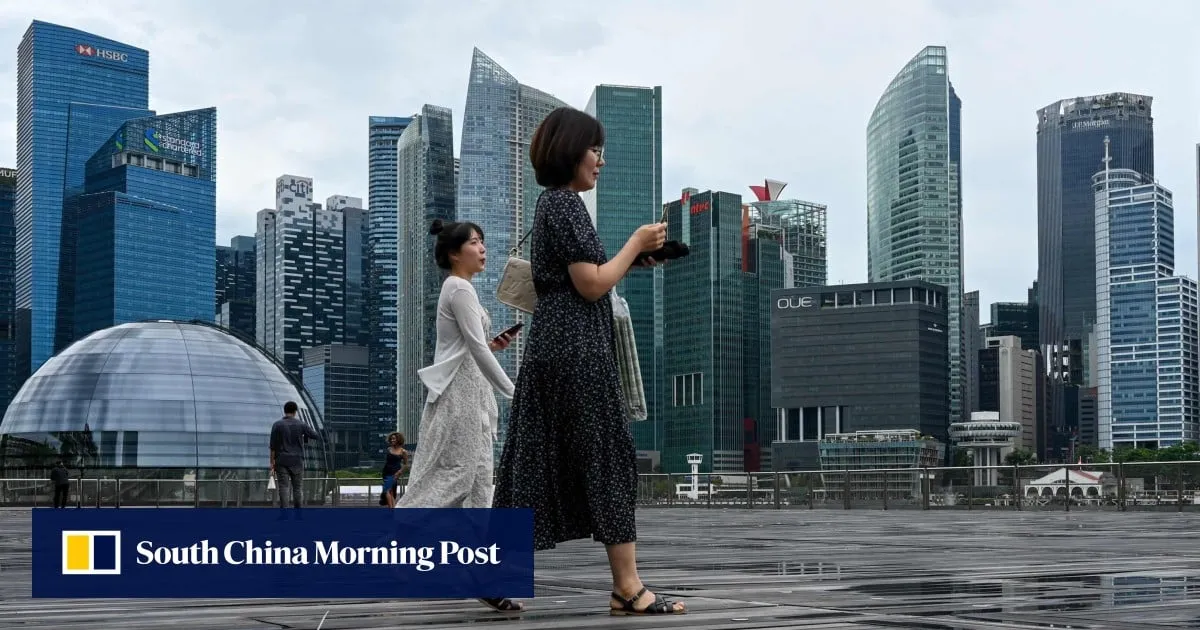
South China Morning PostFIG 01
Reading time
1min
Word count
95words
Sources cited
1cited
Entities identified
6entities
Quality score
100%
§ 01
Briefing Summary
AI-generatedNEWSAR · AI
Singapore and Thailand have been recognized as having some of the world's "least miserable" economies in the 2025 Hanke's Annual Misery Index (HAMI). This index, compiled by Johns Hopkins University economist Steve Hanke, assesses a country's economic well-being from the perspective of its average citizen. The study found that several Southeast Asian nations, including Singapore and Thailand, benefit from a combination of low inflation, stable employment, affordable borrowing costs, and income growth. These factors contribute to reduced economic strain for households in the region, positioning Southeast Asia as a "healthiest economic neighbourhood." The HAMI aims to reflect the practical economic experience of citizens by measuring inflation, unemployment, interest rates, and GDP growth.
Confidence 0.85Sources 1Claims 4Entities 6
§ 02
Article analysis
Model · rule-basedFraming
Economic Impact
Human Interest
Tone
Measured
AI-assessed
CalmNeutralAlarmist
Factuality
0.85 / 1.00
Factual
LowHigh
Sources cited
1
Limited
FewMany
§ 03
Key claims
4 extracted01
The HAMI measures the “economic temperature” of a country to approximate how its average citizen experiences the economy.
factual
Confidence
1.00
02
Singapore and Thailand ranked among the world’s “least miserable” economies in the 2025 Hanke’s Annual Misery Index (HAMI).
factualSteve Hanke
Confidence
1.00
03
Several Southeast Asian economies had a combination of low inflation, steady employment, manageable borrowing costs and income growth.
statistic2025 Hanke’s Annual Misery Index
Confidence
0.95
04
Southeast Asia was described as one of the “healthiest economic neighbourhoods” in the world.
quoteSteve Hanke
Confidence
0.90
§ 04
Full report
1 min read · 95 words§ 05
Entities
6 identifiedKey playerOppositionContextPositiveNeutralNegative
People1
Organizations1
Locations3
§ 06
Keywords & salience
10 termseconomic misery index
1.00
southeast asia economies
0.90
economic temperature
0.80
household economic strain
0.70
low inflation
0.60
steady employment
0.60
income growth
0.50
singapore
0.40
thailand
0.40
johns hopkins university
0.40
§ 07
Topic connections
Interactive graph No topic relationship data available yet. This graph will appear once topic relationships have been computed.