Only 3% of suicides related to domestic abuse in England and Wales in the past five years have resulted in any sort of prosecution, figures show.Between 2020 and 2025, 553 people took their own lives after suspected abuse in an intimate relationship, but only 17 posthumous charges were brought.The figures, released by the National Police Chiefs’ Council, revealed that in 2025, someone in an abusive relationship was more likely to take their own life than be killed by their abuser. It was the third year running that stats had shown this to be the case.The Guardian is investigating the cases of women who take their own lives after prolonged domestic abuse in a series of reports that has revealed how alleged abusers are often not investigated by police after their partner’s death.In March, Lee Milne became the first person in Britain to have been convicted by a jury of killing a current or former partner who died by suicide after domestic abuse. A jury found Milne guilty of culpable homicide despite the fact that his estranged wife Kimberly took her own life, and he did not physically cause her death.Milne’s case was heard in Scotland. In England and Wales no manslaughter prosecution in a case of suicide linked to domestic abuse has resulted in a jury reaching a guilty verdict.In most cases, alleged perpetrators were not investigated for their role in a partner’s suicide or any possible abuse prior to their death. In some, existing inquiries into domestic abuse were closed without explanation after the alleged victim’s death.Nicole Jacobs, the Domestic Abuse Commissioner for England and Wales, said there had been “tolerance of way too much variance” between forces after suicides related to domestic abuse, with “not enough inquisitive investigation measures” being applied in some areas at the early stages of an inquiry.“I think it’s hard to describe the impact when that doesn’t happen, and how hard it is for families or anyone else to try to pursue any sense of justice after that is lost,” she added. “There’s no getting that back or the obstacles are hugely heightened.“What tends to hold [police] back, I believe, is probably resource and capacity aligned with the fact that the perpetrator is going to control the narrative from the very start and [there is] a lack of challenge to that narrative.”Jacobs said she was aware of cases in which alleged offenders had been allowed to keep victims’ mobile phones, leading to a potential loss of crucial data. Others, she said, had discouraged officers from interviewing victims’ families by falsely claiming they were estranged.Asked if the loved ones of victims were facing a postcode lottery in their quests for justice, Jacobs said: “Exactly right.” She added that the low number of prosecutions was “hugely concerning” because domestic abuse was “highly repetitive”.She said: “Very often, without any intervention or sanction, perpetrators of domestic abuse don’t just magically change with whoever else they meet and go on to have relationships with.“It is in the public interest for people to be held to account for that kind of violence and coercion and controlling behaviour – both for the sense of justice for that victim and family, but also for the general public.”Jacobs said she had been in touch with “many families” who had approached police with potential evidence of criminal wrongdoing after a suicide related to domestic abuse but felt it was “near to impossible” to get “any kind of attention” from officers.“Each police force must be much more rigorous in their oversight of what is happening in those investigations,” Jacobs said. “It’s been shocking to understand when a family has been proactive bringing together really credible information how difficult it has been for them … to get just the most obvious information looked at.“There’s a lot of this feeling of … we’ll see what happens in a review, see what happens later in a coroner’s court,” she added. “By then, the obstacles have become very hard to overcome in terms of any kind of action.”Some campaigners have called for a change in the law to make driving someone to suicide via domestic abuse a standalone offence.“I’ve heard people credibly argue that we don’t need changes, that we need to implement the laws that we do have, and I’ve heard credible arguments that we need more clarity,” Jacobs said.“No matter where we get to resolving that question, the fact is there are just such obvious things we could be doing in the here and now that would really increase the likelihood of much more accountability and justice.“That does come down to the quality of what is looked into at the time of the death in that immediate timeframe, and there are huge obvious strides we could make if that was improved.“To some degree, I think it would improve the ability to use the law as it is … we’re not testing those laws and systems well enough because we don’t have the quality of that information consistently.” In the UK and Ireland, Samaritans can be contacted on freephone 116 123, or email jo@samaritans.org or jo@samaritans.ie. In the US, you can call or text the National Suicide Prevention Lifeline on 988, chat on 988lifeline.org, or text HOME to 741741 to connect with a crisis counselor. In Australia, the crisis support service Lifeline is 13 11 14. Other international helplines can be found at befrienders.org
SRCThe Guardian - World News
LANGEN
LEANCenter-Left
WORDS896
ENT9
SAT · 2026-05-02 · 11:00 GMTBRIEF NSR-2026-0502-73252
NSR-2026-0502-73252News Report·EN·Legal & Judicial
Only 3% of suicides linked to domestic abuse result in prosecution, data shows
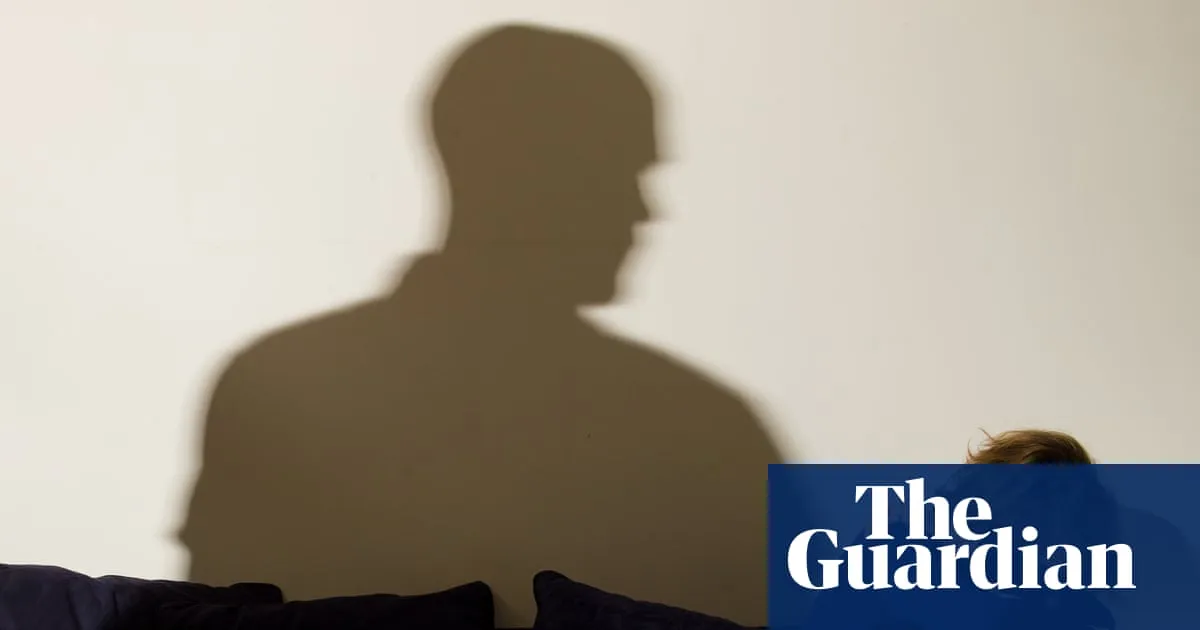
New data from England and Wales reveals that only 3% of suicides linked to domestic abuse between 2020 and 2025 resulted in prosecution. Out of 553 individuals who died by suicide following suspected intimate relationship abuse, only 17 posthumous charges were filed.
Geraldine McKelvie and Hannah Al-OthmanThe Guardian - World NewsFiled 2026-05-02 · 11:00 GMTLean · Center-LeftRead · 4 min
The Guardian - World NewsFIG 01
Reading time
4min
Word count
896words
Sources cited
3cited
Entities identified
9entities
Quality score
100%
§ 01
Briefing Summary
AI-generatedNEWSAR · AI
New data from England and Wales reveals that only 3% of suicides linked to domestic abuse between 2020 and 2025 resulted in prosecution. Out of 553 individuals who died by suicide following suspected intimate relationship abuse, only 17 posthumous charges were filed. The figures indicate that in 2025, individuals in abusive relationships were more likely to die by suicide than be killed by their abuser, a trend observed for three consecutive years. Investigations by The Guardian highlight that alleged abusers are often not investigated by police after their partner's death, and existing inquiries can be closed without explanation. The domestic abuse commissioner for England and Wales cited a lack of thorough investigation and resource constraints as potential reasons for this low prosecution rate.
Confidence 0.90Sources 3Claims 5Entities 9
§ 02
Article analysis
Model · rule-basedFraming
Legal & Judicial
Social Justice
Tone
Measured
AI-assessed
CalmNeutralAlarmist
Factuality
0.85 / 1.00
Factual
LowHigh
Sources cited
3
Well sourced
FewMany
§ 03
Key claims
5 extracted01
Lee Milne was the first person in Britain convicted by a jury of killing a partner who died by suicide following domestic abuse.
factual
Confidence
1.00
02
Only 3% of suicides related to domestic abuse in England and Wales between 2020 and 2025 resulted in prosecution.
statisticNational Police Chiefs’ Council
Confidence
1.00
03
In 2025, individuals in abusive relationships were more likely to take their own lives than be killed by their abusers.
statisticNational Police Chiefs’ Council
Confidence
0.95
04
No manslaughter prosecution in England and Wales for a suicide linked to domestic abuse has resulted in a jury reaching a guilty verdict.
factual
Confidence
0.90
05
Police resource and capacity issues, combined with perpetrator control of the narrative, hinder investigations into domestic abuse-related suicides.
quoteNicole Jacobs
Confidence
0.80
§ 04
Full report
4 min read · 896 words§ 05
Entities
9 identifiedKey playerOppositionContextPositiveNeutralNegative
Organizations3
§ 06
Keywords & salience
10 termsdomestic abuse
1.00
suicide prosecution
0.90
posthumous charges
0.80
intimate relationship abuse
0.70
culpable homicide
0.60
police investigation
0.60
england and wales
0.50
domestic abuse commissioner
0.50
justice for victims
0.40
perpetrator narrative
0.40
§ 07
Topic connections
Interactive graph Network visualization showing 6 related topics
View Full Graph Person Organization Location Event|Click node to navigate|Edge numbers = shared articles