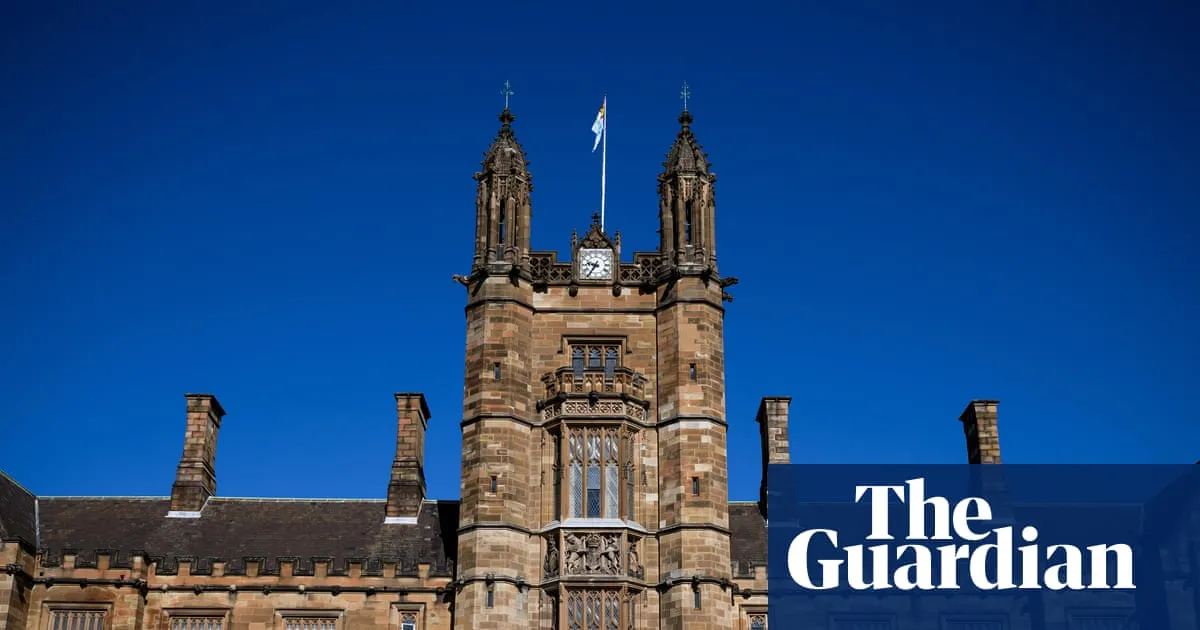
More students than before are likely to never repay their university debt to the Australian government, according to the data from Treasury. Photograph: Bianca de Marchi/AAP View image in fullscreen More students than before are likely to never repay their university debt to the Australian government, according to the data from Treasury. Photograph: Bianca de Marchi/AAP One in four humanities students in Australia to take more than 25 years to pay off student loans, Treasury finds Job ready graduates program will also leave almost two-thirds of humanities and creative arts students with debts exceeding $50,000 Get our breaking news email, free app or daily news podcast One in four humanities students will take more than 25 years to fully repay their student loans because of Morrison government changes to university fees, newly public Treasury modelling reveals. The job ready graduates program, introduced in 2021 under the former prime minister Scott Morrison, will also leave almost two-thirds of humanities and creative arts students saddled with debts exceeding $50,000. Treasury also found median repayment times for creative arts graduates increasing from 14 to 17 years because of the Morrison-era scheme – which critics point out has been in place longer under Labor than under the last Coalition government. The scheme was introduced to incentivise students to take degrees such as science, nursing, education and IT, and disincentivise humanities, law and creative arts degrees by significantly increasing fees. The university sector has said the scheme hasn’t changed students’ choices. The modelling, released to Australia" class="entity-link entity-organization" data-entity-id="329" data-entity-type="organization">Guardian Australia under freedom of information rules, was prepared in May 2025. It shows that the number of graduates leaving university with debts under $20,000 has doubled, the number of students with debts over $50,000 has increased by 70%, and humanities students are set to pay off their debts into their 40s. The independent senator David Pocock said the findings were deeply concerning and called on the government to urgently reform the scheme. “The unfair burden of higher student debt in lower-income professions will massively impact graduates’ lives, making it even harder to buy a home, start a family, travel,” he said. “If the Albanese government is serious about doing more on intergenerational equity, then reforming JRG has to be an urgent priority. JRG has now been in place for longer under the Albanese government than the Morrison government.” More students are also likely to never repay their debt to the government, according to the data. It states that students in lower-earning fields have worse repayment prospects, meaning the government receives less revenue despite the increased debt that students have accrued. It estimates that between a JRG and pre-JRG scenario, total university debt increases by $800m, but the government can only expect half of that to be repaid. The education minister, Jason Clare, has repeatedly said the scheme has been an “abject failure” in its intention to discourage people from studying arts degrees, and that the government is taking reform of the university sector “one step at a time”. In February, the government passed legislation to establish the Australian tertiary education commission (Atec), which would be the body making recommendations to Clare on reforming the scheme. But under Labor’s legislation, the body will not be required to consider student contributions and makes no explicit mention of JRG. The government also rejected a Greens amendment that would have given Atec a remit to reform the scheme. Western Sydney University’s vice-chancellor, George Williams, said the modelling shows the issue is a point of concern for the government and “lays bare the deep unfairness of student fees”. “This clearly indicates a need for policy reform. It identifies deep systemic problems within the student fee structure, particularly the fact that we now have people carrying debt for such a large part of their lifetimes, and … they are people who often earn the lowest graduate salaries,” Williams said. “I’ve seen a lot of anecdotal evidence about how long it takes and what it means to carry debt for potentially a lifetime, but this is now clear based on their modelling.” Williams said he was concerned that $50,000 arts degrees could now remain in place until 2028 or beyond. “We haven’t got any indication from the government yet [for reform], and clearly what we would like is a timetable and clarity about how long this will take to fix.” Explore more on these topics Australian universities Scott Morrison Australian education David Pocock news Share Reuse this content
SRCThe Guardian - World News
LANGEN
LEANCenter-Left
WORDS742
ENT9
MON · 2026-05-04 · 15:00 GMTBRIEF NSR-2026-0504-73643
NSR-2026-0504-73643News Report·EN·Economic Impact
One in four humanities students in Australia to take more than 25 years to pay off student loans, treasury finds
Treasury modelling reveals that one in four humanities students in Australia will take over 25 years to repay their student loans due to the Job Ready Graduates program. Introduced in 2021, this scheme increased fees for humanities and creative arts degrees to encourage enrollment in other fields.
Krishani DhanjiThe Guardian - World NewsFiled 2026-05-04 · 15:00 GMTLean · Center-LeftRead · 3 min
The Guardian - World NewsFIG 01
Reading time
3min
Word count
742words
Sources cited
3cited
Entities identified
9entities
Quality score
100%
§ 01
Briefing Summary
AI-generatedNEWSAR · AI
Treasury modelling reveals that one in four humanities students in Australia will take over 25 years to repay their student loans due to the Job Ready Graduates program. Introduced in 2021, this scheme increased fees for humanities and creative arts degrees to encourage enrollment in other fields. The modelling, released under freedom of information, indicates that nearly two-thirds of humanities and creative arts students will graduate with debts exceeding $50,000. Median repayment times for creative arts graduates are projected to rise from 14 to 17 years. These findings have prompted calls for urgent reform of the program, highlighting concerns about the financial burden on graduates entering lower-income professions.
Confidence 0.90Sources 3Claims 5Entities 9
§ 02
Article analysis
Model · rule-basedFraming
Economic Impact
Social Justice
Tone
Mixed Tone
AI-assessed
CalmNeutralAlarmist
Factuality
0.80 / 1.00
Factual
LowHigh
Sources cited
3
Well sourced
FewMany
§ 03
Key claims
5 extracted01
More students than before are likely to never repay their university debt to the Australian government.
statisticTreasury data
Confidence
1.00
02
The number of students with university debts over $50,000 has increased by 70%.
statisticTreasury modelling
Confidence
1.00
03
Median repayment times for creative arts graduates are increasing from 14 to 17 years due to the scheme.
statisticTreasury
Confidence
1.00
04
The Job Ready Graduates program will leave almost two-thirds of humanities and creative arts students with debts exceeding $50,000.
statisticTreasury modelling
Confidence
1.00
05
One in four humanities students in Australia will take more than 25 years to fully repay their student loans due to the Job Ready Graduates program.
statisticTreasury modelling
Confidence
1.00
§ 04
Full report
3 min read · 742 words§ 05
Entities
9 identifiedKey playerOppositionContextPositiveNeutralNegative
Organizations6
Locations1
§ 06
Keywords & salience
10 termshumanities students
1.00
student loans
1.00
student debt
0.90
job ready graduates program
0.90
university fees
0.80
treasury modelling
0.70
creative arts students
0.60
repayment times
0.50
morrison government
0.40
albanese government
0.40
§ 07
Topic connections
Interactive graph Network visualization showing 51 related topics
View Full Graph Person Organization Location Event|Click node to navigate|Edge numbers = shared articles