People from black backgrounds in England are twice as likely to experience strokes as their white counterparts, while also being less likely to receive timely care, according to the largest study of its kind.The study, conducted by researchers at King’s College London and presented at the European Stroke Organisation conference, analysed 30 years of stroke incidents from the South London Stroke Register, one of the longest-running population-based stroke registers in the world.The register is unique due to the fact that unlike clinical trials, it recruits every single person who has had a stroke in a defined area.Within a population of 333,000 people, according to the analysis, 7,726 strokes occurred. And while stroke incidence fell by 34% between 1995-99 and 2010-14, the rate rose again by 13% between 2020 and 2024.The analysis also found that during this period where stroke incidents were on the rise, people from black African and Caribbean backgrounds were more than twice as likely to experience a stroke compared with their white counterparts.More specifically, stroke incidence was 131% higher in black African and 100% higher in black Caribbean populations in comparison with their white counterparts.People from black backgrounds are up to 47% more likely to have high blood pressure, and are also up to twice as likely to have diabetes than their white counterparts, even after adjusting for other risk factors including socioeconomic background.Dr Camila Pantoja-Ruiz, of King’s College London, the lead author of the study, said: “This trend may partly reflect the lasting impact of the Covid-19 pandemic, which reduced access to primary care, blood pressure monitoring and prescribing, particularly affecting black and deprived communities.”She added: “These patterns of increased stroke risk in these communities may also be influenced by broader factors, including racism, unconscious bias and socioeconomic circumstances, which can impact access to and quality of care.“Compared with other stroke types, intracerebral haemorrhage is more strongly associated with uncontrolled high blood pressure, which is more common in black communities.”The study also reveals that stroke survivors from a black African background were 34% less likely to receive follow-up care on the NHS after a stroke, while also experiencing a stroke about 10 to 12 years earlier than their white counterparts.According to the researchers, the period immediately after a stroke is critical for preventing another, leaving people from black backgrounds more vulnerable to worse health outcomes in the future.“Less timely follow-up leaves patients at elevated risk for longer and may be influenced by mistrust in healthcare services linked to historical and ongoing experiences of discrimination,” Pantoja-Ruiz added.Maeva May, the director of policy at the Stroke Association, said: “These findings reveal that stroke is rising again and that black African and black Caribbean communities are bearing a disproportionate burden.“This rise is shaped by higher rates of undetected and under-treated risk factors for stroke, including high blood pressure – which is the cause of around half of all strokes – and diabetes. This is further exacerbated by the broader social and economic circumstances, such as poor housing, which shape health long before a stroke occurs.“We know that progress is possible – stroke rates have been falling over the last two decades, proving that prevention works when it reaches the people who need it.“The challenge now is making sure that this support reaches everyone equally. The government must prioritise stroke and be guided by the voices of communities who are adversely affected by this life-changing condition.”
SRCThe Guardian - World News
LANGEN
LEANCenter-Left
WORDS566
ENT6
TUE · 2026-05-05 · 23:01 GMTBRIEF NSR-2026-0506-74006
NSR-2026-0506-74006News Report·EN·Public Health
Black people in England twice as likely to suffer stroke as white counterparts
A large-scale study from King's College London, analyzing 30 years of stroke data from the South London Stroke Register, reveals that Black people in England are twice as likely to suffer strokes as their white counterparts. The research found stroke incidence rose between 2020 and 2024, with Black African and Caribbean populations experiencing significantly higher rates.
Tobi Thomas Health and inequalities correspondentThe Guardian - World NewsFiled 2026-05-05 · 23:01 GMTLean · Center-LeftRead · 3 min
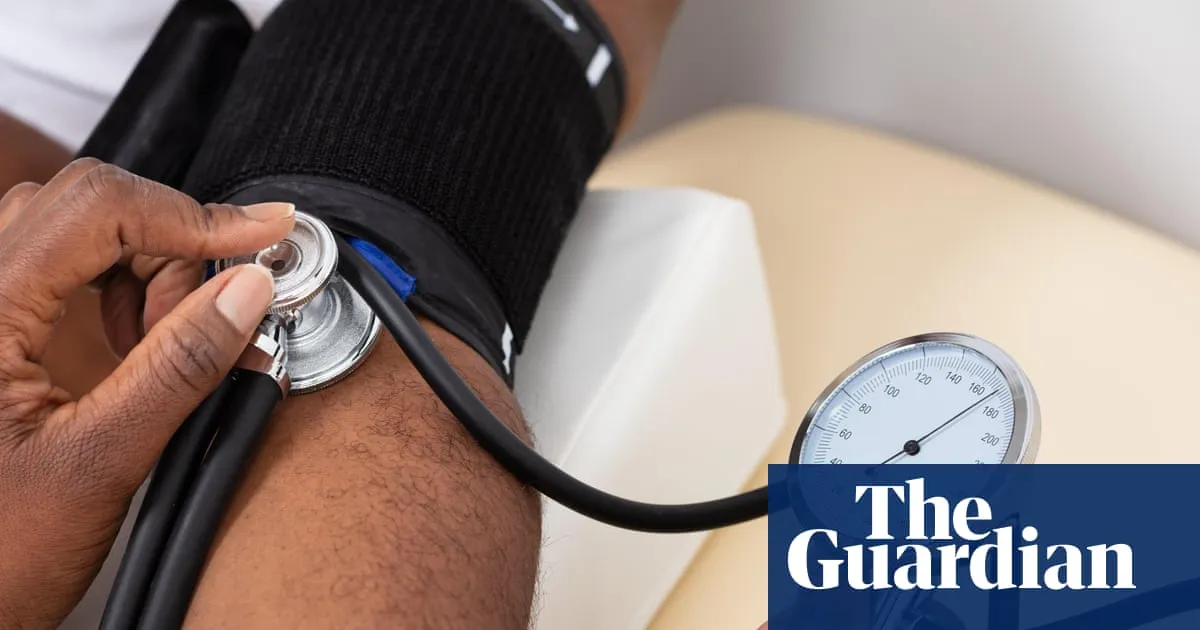
The Guardian - World NewsFIG 01
Reading time
3min
Word count
566words
Sources cited
2cited
Entities identified
6entities
Quality score
100%
§ 01
Briefing Summary
AI-generatedNEWSAR · AI
A large-scale study from King's College London, analyzing 30 years of stroke data from the South London Stroke Register, reveals that Black people in England are twice as likely to suffer strokes as their white counterparts. The research found stroke incidence rose between 2020 and 2024, with Black African and Caribbean populations experiencing significantly higher rates. This disparity is linked to higher rates of high blood pressure and diabetes in Black communities, even after accounting for socioeconomic factors. Researchers suggest the COVID-19 pandemic's impact on primary care access and broader issues like racism and socioeconomic circumstances may contribute to these trends. Furthermore, Black stroke survivors are less likely to receive follow-up care and experience strokes earlier in life.
Confidence 0.90Sources 2Claims 5Entities 6
§ 02
Article analysis
Model · rule-basedFraming
Public Health
Social Justice
Tone
Measured
AI-assessed
CalmNeutralAlarmist
Factuality
0.80 / 1.00
Factual
LowHigh
Sources cited
2
Limited
FewMany
§ 03
Key claims
5 extracted01
Stroke survivors from a black African background were 34% less likely to receive follow-up care on the NHS after a stroke.
statisticKing's College London study
Confidence
1.00
02
People from black backgrounds are up to 47% more likely to have high blood pressure and up to twice as likely to have diabetes than white counterparts.
statisticKing's College London study
Confidence
1.00
03
Stroke incidence was 131% higher in black African and 100% higher in black Caribbean populations compared to white counterparts.
statisticKing's College London study
Confidence
1.00
04
People from black backgrounds in England are twice as likely to experience strokes as their white counterparts.
statisticKing's College London study
Confidence
1.00
05
The trend may partly reflect the lasting impact of the Covid-19 pandemic, which reduced access to primary care, particularly affecting black and deprived communities.
quoteDr Camila Pantoja-Ruiz
Confidence
0.90
§ 04
Full report
3 min read · 566 words§ 05
Entities
6 identifiedKey playerOppositionContextPositiveNeutralNegative
Organizations4
Locations1
§ 06
Keywords & salience
10 termsracial disparities
1.00
stroke incidence
1.00
black populations
0.90
healthcare access
0.80
high blood pressure
0.70
diabetes
0.60
south london stroke register
0.50
king's college london
0.50
timely care
0.40
covid-19 pandemic
0.40
§ 07
Topic connections
Interactive graph Network visualization showing 51 related topics
View Full Graph Person Organization Location Event|Click node to navigate|Edge numbers = shared articles