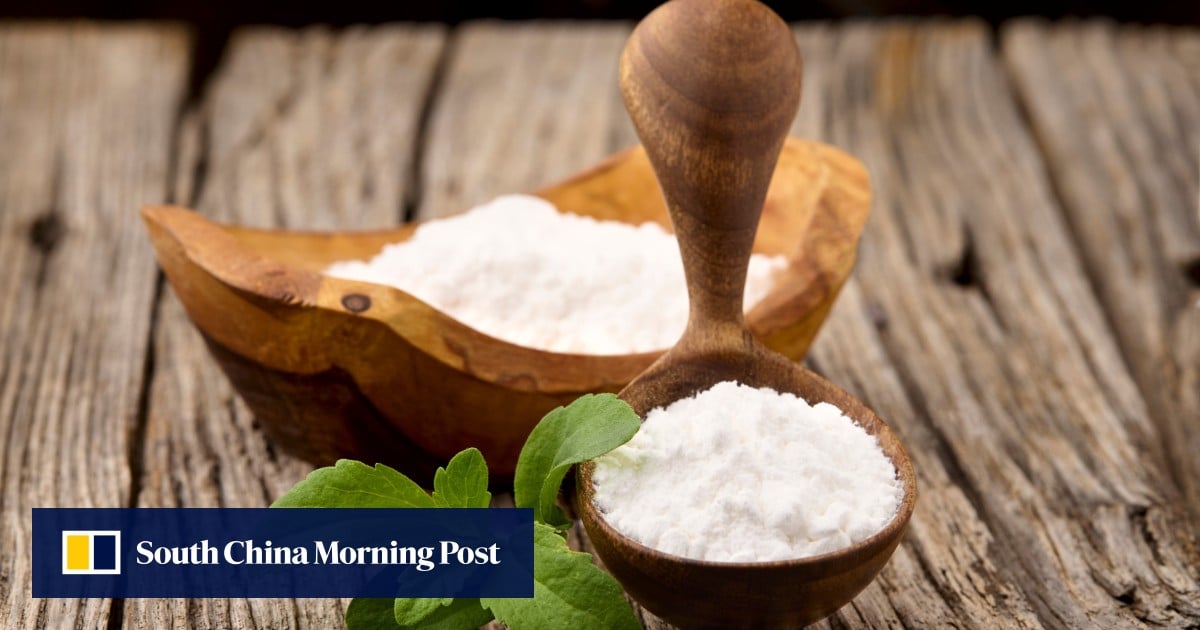
A new study from the Chile" class="entity-link entity-organization" data-entity-id="42093" data-entity-type="organization">University of Chile suggests that common artificial sweeteners may trigger biological changes that are passed down to future generations.The research focused on sucralose and stevia, two of the world’s most widely used non-nutritive sweeteners (NNS).The additives could alter gut microbiota, gene expression and metabolism in mice, with some effects persisting in their first- and second-generation offspring, even in offspring who were never directly exposed to the sweeteners, according to the team behind the study.
SRCSouth China Morning Post
LANGEN
LEANCenter-Right
WORDS79
ENT4
THU · 2026-05-07 · 01:00 GMTBRIEF NSR-2026-0507-74288
NSR-2026-0507-74288News Report·EN·Public Health
Do artificial sweeteners cause inheritable biological changes?
A recent study from the University of Chile indicates that common artificial sweeteners, specifically sucralose and stevia, may induce inheritable biological alterations. Researchers observed that these non-nutritive sweeteners could impact gut microbiota, gene expression, and metabolism in mice.
Emiliano Martínez ViademonteSouth China Morning PostFiled 2026-05-07 · 01:00 GMTLean · Center-RightRead · 1 min
South China Morning PostFIG 01
Reading time
1min
Word count
79words
Sources cited
1cited
Entities identified
4entities
Quality score
100%
§ 01
Briefing Summary
AI-generatedNEWSAR · AI
A recent study from the University of Chile indicates that common artificial sweeteners, specifically sucralose and stevia, may induce inheritable biological alterations. Researchers observed that these non-nutritive sweeteners could impact gut microbiota, gene expression, and metabolism in mice. Notably, some of these effects were found to persist in the first and second generations of offspring, even in individuals not directly exposed to the sweeteners. This suggests a potential for transgenerational transmission of changes triggered by artificial sweetener consumption.
Confidence 0.85Sources 1Claims 5Entities 4
§ 02
Article analysis
Model · rule-basedFraming
Public Health
Technology
Tone
Mixed Tone
AI-assessed
CalmNeutralAlarmist
Factuality
0.80 / 1.00
Factual
LowHigh
Sources cited
1
Limited
FewMany
§ 03
Key claims
5 extracted01
The study focused on sucralose and stevia.
factualUniversity of Chile study
Confidence
1.00
02
Sweeteners could alter gut microbiota, gene expression, and metabolism in mice.
factualUniversity of Chile study
Confidence
0.80
03
These effects were observed even in offspring not directly exposed to sweeteners.
factualUniversity of Chile study
Confidence
0.70
04
Some altered effects persisted in first- and second-generation offspring of mice.
factualUniversity of Chile study
Confidence
0.70
05
Artificial sweeteners may trigger biological changes passed down to future generations.
factualUniversity of Chile study
Confidence
0.70
§ 04
Full report
1 min read · 79 words§ 05
Entities
4 identifiedKey playerOppositionContextPositiveNeutralNegative
Organizations3
Locations1
§ 06
Keywords & salience
9 termsartificial sweeteners
1.00
inheritable biological changes
0.90
sucralose
0.80
stevia
0.80
gene expression
0.70
gut microbiota
0.70
metabolism
0.60
non-nutritive sweeteners
0.50
university of chile
0.40
§ 07
Topic connections
Interactive graph No topic relationship data available yet. This graph will appear once topic relationships have been computed.