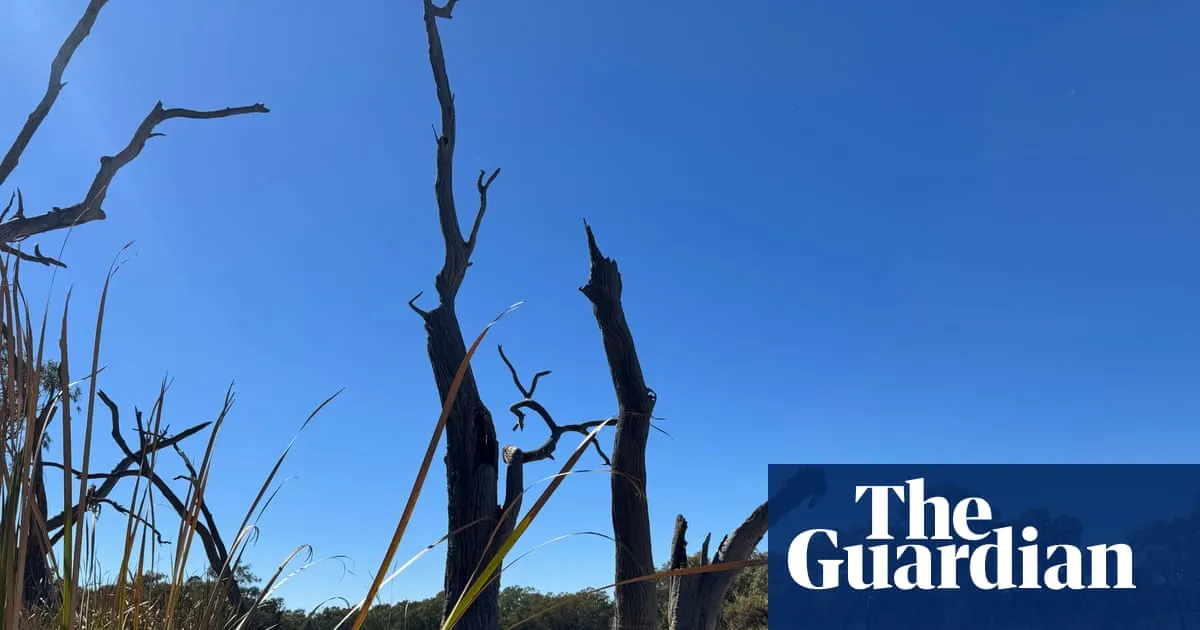
Dried-up wetlands in the Gwydir region where broad-shelled turtles were left to die after Water NSW abruptly stopped environmental flows to the area View image in fullscreen Dried-up wetlands in the Gwydir region where broad-shelled turtles were left to die after Water NSW abruptly stopped environmental flows to the area Water flows to parched NSW wetlands could be turned back on within weeks as drought fears loom Water minister Rose Jackson calls drying in Gwydir region ‘devastating’ as bill passes upper house Water flows to parched New South Wales wetlands where an urgent rescue mission to save dying wildlife unfolded are a step closer to resuming after legislation passed the state parliament’s upper house. The water minister, Rose Jackson, told the parliament on Thursday night the impact of a halt to water flows in the internationally significant Gwydir region had been “devastating” as she introduced legislative amendments she said would allow flows to resume. It came after NSW experienced its second driest April on record. A former senior environmental bureaucrat called for an investigation into separate revelations of repeated delays of environmental watering in favour of farming by the NSW environment and water department. WaterNSW stopped flows to the Gwydir region in March after concerns were raised about flooding of private land. Scientists were filmed digging turtles out of mud in a rapidly drying waterhole in the Gingham watercourse, while a grazier described the deaths of birds, frogs and sheep on separate wetlands on his property. Jackson told the parliament the legal amendments were necessary to ensure the state water agency was not exposed to civil liability claims when it carried out its usual operations. She said the legal uncertainty was not confined to environmental flows and could also extend to water released for operational or consumptive purposes. The changes amend the laws that govern WaterNSW to clearly state the water manager is protected from such liability claims. “The impact of ceasing these flows on the environment and landholders is already evident and devastating,” Jackson said. “Turtles, fish, frogs, birds and livestock are fleeing or dying downstream of Copeton Dam.” Jackson said if the situation continued, long-term disruption of environmental water delivery “will result in major and extreme impacts to the vegetation communities of the Lower Gwydir wetlands and the dependent fauna”. She said the situation was particularly urgent as NSW entered a drying cycle, with predicted potential for drought this year. Data released by the Bureau of Meteorology shows the broader Murray-Darling basin experienced its driest April since 1997, while NSW’s total rainfall for April was 13% of the 1961-90 average. The changes passed the upper house with the support of the Greens and some crossbench MPs as part of a larger bill that will enable water easements acquired by the government to be transferred to WaterNSW. The bill is expected to be voted on by the Legislative Assembly next week and, if passed, could mean flows quickly resume. The Greens water spokesperson, Cate Faehrmann, told the parliament passage of the amendments was urgent because it could take a month for any flows to reach the area where the turtles had been found. After travelling to the area and filming scientists rescuing turtles in April, Faehrmann described the scene as an “environmental catastrophe”. She told Guardian Australia the passage of the bill was “a win for the community too”. “The outcry by thousands of members of the public at the sight of dozens of turtles being pulled out of the mud made it impossible for the government to ignore what was happening,” she said. The Coalition opposed the changes, with the Liberal MLC Susan Carter saying the bill lacked balance and that she had been contacted by stakeholders with “deep concern” about how it would affect them. Passage of the legislation by the upper house comes as a former environmental water manager for the Gwydir and Macquarie regions called for an investigation of the state environment and water department’s management of flows to the Gwydir area. Guardian Australia revealed this week the department had routinely delayed flows to parts of the region to prioritise harvesting of winter cereal crops, despite admitting this could cause ecological damage. Bill Johnson is a water consultant at Slattery & Johnson, a former state and federal water bureaucrat and sits on one of the environmental water advisory groups to the NSW government. He said there were questions about whether the delays to flows breached the principles of the NSW Water Management Act or other state and federal laws. “The state and federal ministers in the end are responsible for their legislation,” he said. “They should have stepped in years ago. “But now, I think there needs to be an inquiry into this and to what’s happened.” The NSW environment and water department has said management of environmental water occurred in consultation with communities and “may mean that on some occasions, environmental water flow delivery has been adjusted to accommodate considerations such as land management activities, including farming”. Jackson told the Guardian she was open to looking into the delays but her first priority was restoring flows to the region via the legislative changes. The federal environment and water minister, Murray Watt, declined to comment. Explore more on these topics Murray-Darling Basin Water Wildlife New South Wales Animals Biology Australia weather news Share Reuse this content
SRCThe Guardian - World News
LANGEN
LEANCenter-Left
WORDS891
ENT8
FRI · 2026-05-08 · 03:45 GMTBRIEF NSR-2026-0508-74586
NSR-2026-0508-74586News Report·EN·Environmental
Water flows to parched NSW wetlands could be turned back on within weeks as drought fears loom
Water flows to the parched Gwydir wetlands in New South Wales are expected to resume within weeks following the passage of legislation through the state's upper house. Water Minister Rose Jackson described the halt in environmental flows, which led to the deaths of wildlife including broad-shelled turtles, as "devastating." The legislative amendments were introduced to protect WaterNSW from civil liability claims when resuming its usual operations, particularly after the state experienced its second driest April on record.
Lisa Cox Environment and climate correspondentThe Guardian - World NewsFiled 2026-05-08 · 03:45 GMTLean · Center-LeftRead · 4 min
The Guardian - World NewsFIG 01
Reading time
4min
Word count
891words
Sources cited
3cited
Entities identified
8entities
Quality score
100%
§ 01
Briefing Summary
AI-generatedNEWSAR · AI
Water flows to the parched Gwydir wetlands in New South Wales are expected to resume within weeks following the passage of legislation through the state's upper house. Water Minister Rose Jackson described the halt in environmental flows, which led to the deaths of wildlife including broad-shelled turtles, as "devastating." The legislative amendments were introduced to protect WaterNSW from civil liability claims when resuming its usual operations, particularly after the state experienced its second driest April on record. Scientists had previously documented efforts to rescue dying turtles from drying waterholes. The legal changes aim to ensure the continued delivery of environmental water, preventing long-term impacts on the region's vegetation and dependent fauna.
Confidence 0.90Sources 3Claims 5Entities 8
§ 02
Article analysis
Model · rule-basedFraming
Environmental
Human Interest
Tone
Mixed Tone
AI-assessed
CalmNeutralAlarmist
Factuality
0.70 / 1.00
Factual
LowHigh
Sources cited
3
Well sourced
FewMany
§ 03
Key claims
5 extracted01
NSW experienced its second driest April on record.
statisticBureau of Meteorology
Confidence
1.00
02
Water minister Rose Jackson called the drying in the Gwydir region 'devastating'.
quoteRose Jackson
Confidence
1.00
03
Scientists were filmed digging turtles out of mud in a rapidly drying waterhole.
factual
Confidence
0.90
04
WaterNSW stopped flows to the Gwydir region in March due to concerns about flooding of private land.
factual
Confidence
0.90
05
Water flows to parched NSW wetlands could be turned back on within weeks.
prediction
Confidence
0.80
§ 04
Full report
4 min read · 891 words§ 05
Entities
8 identifiedKey playerOppositionContextPositiveNeutralNegative
Organizations1
Locations5
§ 06
Keywords & salience
8 termsenvironmental flows
1.00
drought fears
0.90
gwydir region
0.80
waternsw
0.70
wetlands
0.70
wildlife rescue
0.60
legal liability
0.50
rose jackson
0.40
§ 07
Topic connections
Interactive graph No topic relationship data available yet. This graph will appear once topic relationships have been computed.