The decision to annul UAE agreements was not abrupt or reckless, but a necessary assertion of sovereignty, constitutional order and national unity.State Minister for Foreign Affairs of the Somalia" class="entity-link entity-location" data-entity-id="11498" data-entity-type="location">Federal Republic of Somalia.Published On 14 Jan 2026By any objective measure, the decision taken by Somalia’s Cabinet on January 12 to annul all agreements with the United Arab Emirates was neither abrupt nor reckless. It came after prolonged restraint, repeated diplomatic engagement, and a sober assessment of what any responsible government is ultimately obliged to defend: its sovereignty, constitutional order, and national unity.For years, Somalia pursued cooperation with external partners in good faith, guided by the expectation that engagement would be based on mutual respect, positive collaboration and the pursuit of a win-win prosperous future. The Somali government’s patience was not infinite nor unconditional. When international cooperation begins to bypass constitutional institutions, fragment national authority, and distort internal political balances, it ceases to be partnership and becomes illegal interference.At its core, sovereignty is not an empty slogan; it is a system. It means that political, security, and economic relations with foreign states must flow through a country’s recognised national institutions. When parallel arrangements emerge, direct dealings with sub-national entities, security cooperation outside federal oversight, or agreements concluded without national consent, the integrity of the state is gradually eroded. Somalia experienced precisely this pattern over an extended period with the UAE engagement in the country. Therefore, our national decision on the UAE agreements was not a rejection of positive bilateral engagement, nor an abandonment of diplomacy: It was an affirmation of boundaries in line with international law.
SRCAl Jazeera
LANGEN
LEANCenter
WORDS264
ENT3
WED · 2026-01-14 · 14:18 GMTBRIEF NSR-2026-0114-7459
NSR-2026-0114-7459Opinion·EN·National Security
Why Somalia drew a line with the UAE
On January 12, 2026, Somalia's Cabinet annulled all agreements with the United Arab Emirates, citing the need to defend its sovereignty, constitutional order, and national unity. According to Somalia's State Minister for Foreign Affairs, the decision followed prolonged restraint and diplomatic engagement, stemming from concerns that the UAE's actions bypassed constitutional institutions and fragmented national authority.
Ali OmarAl JazeeraFiled 2026-01-14 · 14:18 GMTLean · CenterRead · 2 min
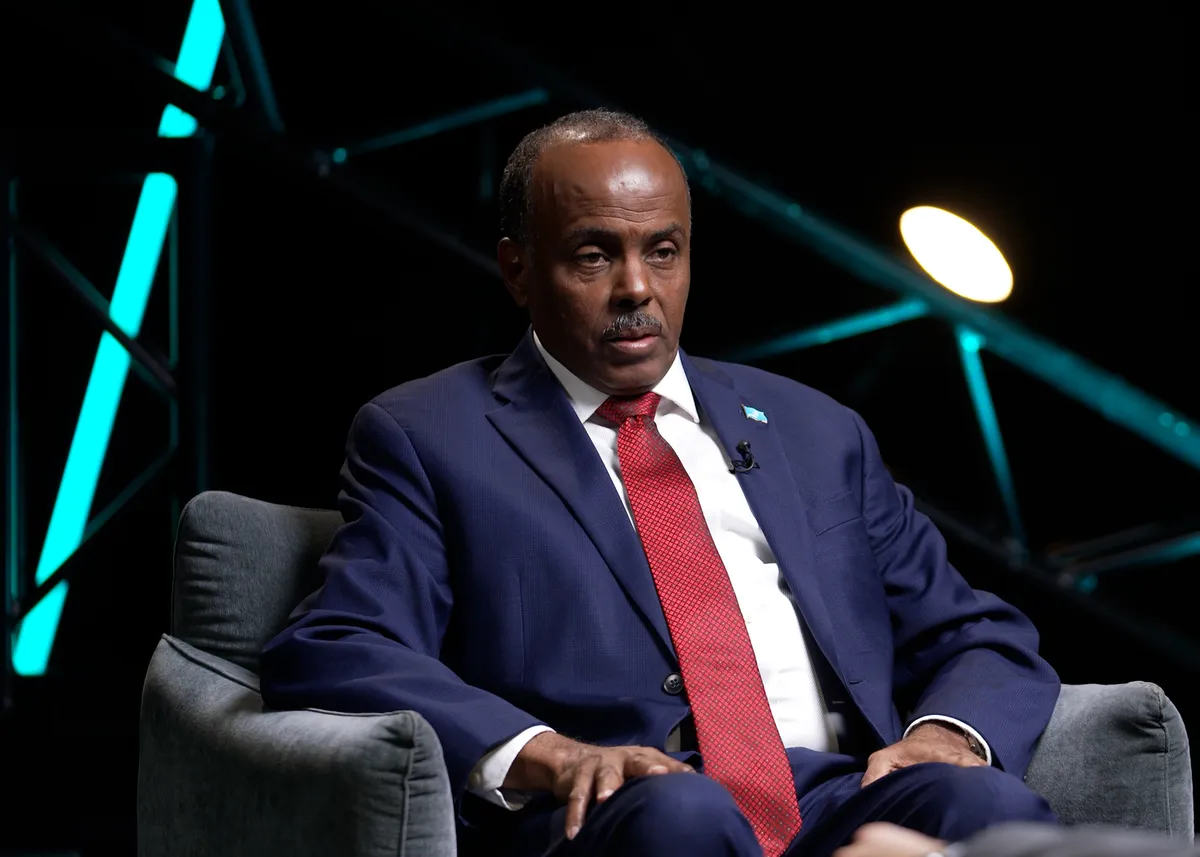
Al JazeeraFIG 01
Reading time
2min
Word count
264words
Sources cited
0cited
Entities identified
3entities
Quality score
100%
§ 01
Briefing Summary
AI-generatedNEWSAR · AI
On January 12, 2026, Somalia's Cabinet annulled all agreements with the United Arab Emirates, citing the need to defend its sovereignty, constitutional order, and national unity. According to Somalia's State Minister for Foreign Affairs, the decision followed prolonged restraint and diplomatic engagement, stemming from concerns that the UAE's actions bypassed constitutional institutions and fragmented national authority. Somalia claims the UAE engaged in direct dealings with sub-national entities and security cooperation outside federal oversight, eroding the integrity of the Somali state. The government asserts that the decision was not a rejection of bilateral engagement but an affirmation of boundaries in line with international law, after years of what it considered illegal interference.
Confidence 0.90Claims 4Entities 3
§ 02
Article analysis
Model · rule-basedFraming
National Security
Political Strategy
Tone
Measured
AI-assessed
CalmNeutralAlarmist
Factuality
0.30 / 1.00
Opinion-Heavy
LowHigh
Sources cited
0
No named sources
FewMany
§ 03
Key claims
4 extracted01
Sovereignty means that political, security, and economic relations with foreign states must flow through a country’s recognised national institutions.
factualState Minister for Foreign Affairs of the Federal Republic of Somalia
Confidence
0.90
02
The decision to annul UAE agreements was a necessary assertion of sovereignty, constitutional order and national unity.
quoteState Minister for Foreign Affairs of the Federal Republic of Somalia
Confidence
0.90
03
Somalia pursued cooperation with external partners in good faith.
factualState Minister for Foreign Affairs of the Federal Republic of Somalia
Confidence
0.70
04
International cooperation began to bypass constitutional institutions.
factualState Minister for Foreign Affairs of the Federal Republic of Somalia
Confidence
0.60
§ 04
Full report
2 min read · 264 words§ 05
Entities
3 identifiedKey playerOppositionContextPositiveNeutralNegative
§ 06
Keywords & salience
9 termssomalia
1.00
uae
0.90
sovereignty
0.80
national unity
0.70
constitutional order
0.70
bilateral engagement
0.60
agreements annulment
0.50
international cooperation
0.50
foreign policy
0.40
§ 07
Topic connections
Interactive graph Network visualization showing 51 related topics
View Full Graph Person Organization Location Event|Click node to navigate|Edge numbers = shared articles