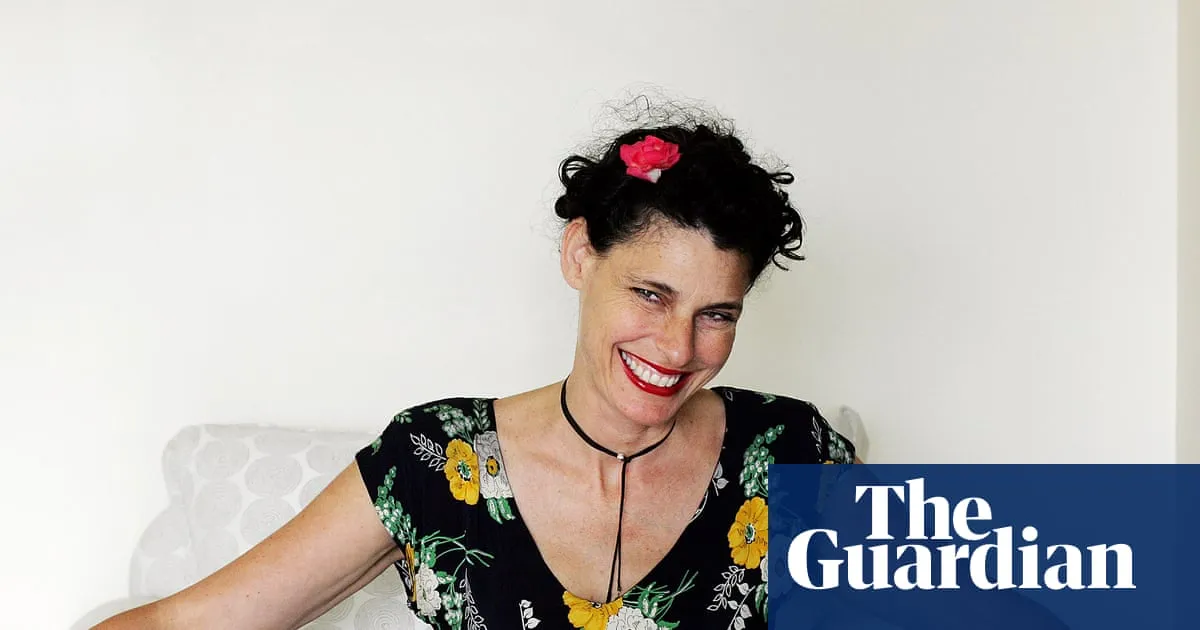
The Australian singer Deborah Conway faces online abuse for her ‘central’ Zionist belief. Photograph: Lisa Maree Williams/Getty Images View image in fullscreen The Australian singer Deborah Conway faces online abuse for her ‘central’ Zionist belief. Photograph: Lisa Maree Williams/Getty Images Jewish musicians faced abuse over Zionist beliefs, royal commisssion told Deborah Conway describes anti-Zionism as a ‘genocidal impulse’ as inquiry hears how Jews are targeted with Nazi comparisons Get our breaking news email, free app or daily news podcast Jewish musicians have told a royal commission hearing that their views on Zionism made them the targets of vilification and boycotting. The royal commission on antisemitism and social cohesion heard from Deborah Conway and Joshua Moshe on Monday: both were members of a WhatsApp group for Jewish creatives and academics, the contents of which was leaked by the media and some of the members’ personal information made public. Conway, who became a household name in the 1980s as a singer-songwriter, says she faced backlash for publicly declaring herself as a Zionist even before the group was leaked. She described Zionism as central to being Jewish, explaining the belief that Jews have a right to exist in Israel as their ancestral homeland. Conway stressed Zionism did not imply a support for the Israeli government, but despite this says she has faced vicious abuse online and was targeted by protesters at events. Conway told the commission: “I think that idea of anti-Zionism is, in fact, a genocidal impulse.” She also testified: “I think it’s really important to say that I support Israel’s right to exist, I don’t support all of the Israeli government’s ways of prosecuting the war. “I want there to be peace, I want there to be a two-state solution … but unfortunately … at this present time, we’re not living in the land of unicorns and rainbows.” Moshe described the backlash he faced for being a Zionist as completely unrelated to the reality of his associations with Israel. As well as being publicly denounced and dumped by his former band, Moshe and his wife faced a torrent of online abuse and the targeting and boycotting of the business they ran together, which was ultimately forced to relocate. “One version of Zionism, or the one I subscribe to … is that Jews deserve a home in some part of their ancestral homeland,” Moshe said. Moshe said he was all but abandoned by others in the music industry, including losing performance opportunities, and having other musicians decline to collaborate on projects. The commission opened its second week of public hearings on Monday examining different definitions of antisemitism. Julie Nathan, appearing before the commission in her capacity as research director for the Executive Council of Australian Jewry, said criticism of Israel was not inherently antisemitic, “even though a lot of it is incredibly offensive”. But Nathan argued criticism that invoked Nazi Germany or anti-Jewish tropes should be considered antisemitic. “For example, if it uses older anti-Jewish tropes, you know, such as the blood libel, or Jews are satanic … they might say ‘Israel is satanic’. So then that kind of feeds into that.” She said “no other country in the world is compared to Nazi Germany, only Israel”. Nathan said pro-Palestinian protest material, such as posters and stickers, were not inherently antisemitic, but could be considered examples of Jew-hatred dependent on context. “We don’t count anything pro-Palestinian as anti-Jewish unless, for example, if there’s a ‘free Palestine’ sticker and it’s stuck on a synagogue or outside a Jewish school. “If they’re using pro-Palestine material to target Jews, that in itself then becomes antisemitic.” Tahli Blicblau, the executive director of the Dor Foundation, established in 2025 to counter the rise in antisemitism in Australia, focused particularly on university campuses and online spaces, has begun her evidence to the royal commission. “Antisemitism did not begin on 7 October 2023, the evidence suggests it had been rising for at least a decade, along with political and conspiratorial movements and social media, but what changed on the 7 October was the speed and scale at which it took hold and its prevalence within Australia.” The public hearings, before commissioner Virginia Bell, continue in Sydney. Explore more on these topics royal commission on antisemitism and social cohesion Antisemitism news Share Reuse this content
SRCThe Guardian - World News
LANGEN
LEANCenter-Left
WORDS715
ENT7
MON · 2026-05-11 · 10:41 GMTBRIEF NSR-2026-0511-75304
NSR-2026-0511-75304News Report·EN·Human Rights
Jewish musicians faced abuse over Zionist beliefs, royal commisssion told
Jewish musicians Deborah Conway and Joshua Moshe testified at a royal commission hearing on antisemitism and social cohesion, detailing how their Zionist beliefs led to abuse and boycotting. Conway, an Australian singer, stated that public declarations of her Zionism, which she described as central to her Jewish identity and the belief in a Jewish homeland, resulted in online vilification and protests.
Ben Doherty and agenciesThe Guardian - World NewsFiled 2026-05-11 · 10:41 GMTLean · Center-LeftRead · 3 min
The Guardian - World NewsFIG 01
Reading time
3min
Word count
715words
Sources cited
3cited
Entities identified
7entities
Quality score
100%
§ 01
Briefing Summary
AI-generatedNEWSAR · AI
Jewish musicians Deborah Conway and Joshua Moshe testified at a royal commission hearing on antisemitism and social cohesion, detailing how their Zionist beliefs led to abuse and boycotting. Conway, an Australian singer, stated that public declarations of her Zionism, which she described as central to her Jewish identity and the belief in a Jewish homeland, resulted in online vilification and protests. Moshe also recounted facing backlash, including being dropped by his band and experiencing online abuse and business boycotts, after his Zionist views were revealed through a leaked WhatsApp group. Both musicians emphasized that their support for Israel's right to exist did not equate to endorsing all actions of the Israeli government, and they expressed desires for peace and a two-state solution. The commission heard how these artists were targeted with Nazi comparisons and personal information was leaked.
Confidence 0.90Sources 3Claims 4Entities 7
§ 02
Article analysis
Model · rule-basedFraming
Human Rights
Social Justice
Tone
Mixed Tone
AI-assessed
CalmNeutralAlarmist
Factuality
0.70 / 1.00
Factual
LowHigh
Sources cited
3
Well sourced
FewMany
§ 03
Key claims
4 extracted01
Deborah Conway described anti-Zionism as a 'genocidal impulse'.
quoteDeborah Conway
Confidence
1.00
02
Joshua Moshe and his wife faced online abuse and boycotting of their business, forcing relocation.
factualJoshua Moshe
Confidence
0.90
03
Jewish musicians have reported facing vilification and boycotting due to their views on Zionism.
factualJewish musicians
Confidence
0.90
04
Criticism of Israel is not inherently antisemitic, but invoking Nazi Germany or anti-Jewish tropes can be.
factualJulie Nathan
Confidence
0.80
§ 04
Full report
3 min read · 715 words§ 05
Entities
7 identifiedKey playerOppositionContextPositiveNeutralNegative
Organizations2
Events1
§ 06
Keywords & salience
10 termszionist beliefs
1.00
online abuse
0.90
royal commission
0.80
jewish musicians
0.70
antisemitism
0.70
boycotting
0.60
vilification
0.60
genocidal impulse
0.50
deborah conway
0.40
joshua moshe
0.40
§ 07
Topic connections
Interactive graph No topic relationship data available yet. This graph will appear once topic relationships have been computed.