Juan Fernando Herrera Ramos is a Honduras-born journalist based in Taiwan covering Asia–Latin America relations, geopolitics, and supply-chain issues.Beijing’s position in Latin America is far from collapsing, looking at the number of countries in the region that have switched diplomatic ties to it from Taipei. But in parts of the continent, governments are increasingly reassessing what their relationships with Beijing are delivering economically and politically.The shift is becoming visible in countries such as Honduras, Venezuela and Cuba, where economic strain, energy instability and geopolitical pressure are exposing the limits of partnerships that only a few years ago appeared strategically transformative.For Beijing, Latin America remains an important arena for diplomacy, trade and long-term geopolitical influence. Chinese investment, infrastructure financing and commodity demand has helped expand its presence across the region during the past two decades. But recent developments suggest that diplomatic gains alone may no longer guarantee durable political or economic influence.
SRCSouth China Morning Post
LANGEN
LEANCenter-Right
WORDS151
ENT7
MON · 2026-05-11 · 12:30 GMTBRIEF NSR-2026-0511-75320
NSR-2026-0511-75320Analysis·EN·Diplomatic
Latin America is reassessing the benefits of warm ties with Beijing
Latin American nations are re-evaluating their relationships with Beijing, despite China's continued diplomatic and economic presence in the region. While many countries have switched diplomatic recognition from Taipei to Beijing, some governments are now questioning the tangible economic and political benefits of these ties.
Juan Fernando Herrera RamosSouth China Morning PostFiled 2026-05-11 · 12:30 GMTLean · Center-RightRead · 1 min
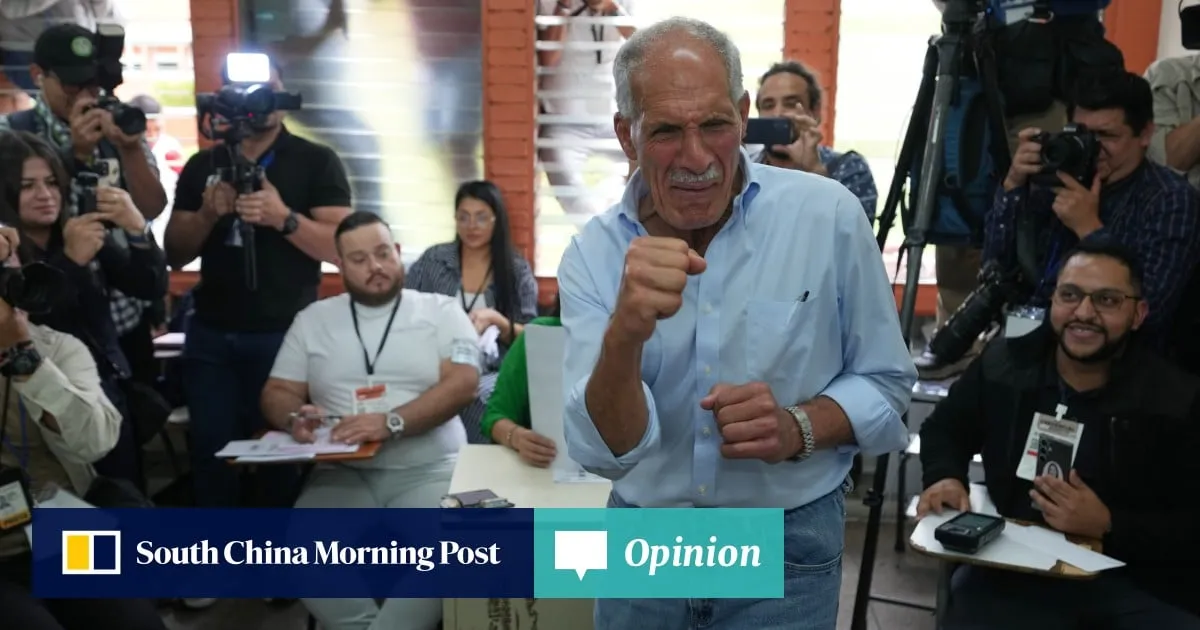
South China Morning PostFIG 01
Reading time
1min
Word count
151words
Sources cited
0cited
Entities identified
7entities
Quality score
100%
§ 01
Briefing Summary
AI-generatedNEWSAR · AI
Latin American nations are re-evaluating their relationships with Beijing, despite China's continued diplomatic and economic presence in the region. While many countries have switched diplomatic recognition from Taipei to Beijing, some governments are now questioning the tangible economic and political benefits of these ties. This reassessment is particularly evident in countries like Honduras, Venezuela, and Cuba, where economic hardship, energy issues, and geopolitical pressures are highlighting the limitations of partnerships that were once seen as highly advantageous. China has significantly expanded its influence in Latin America over the past two decades through investment, infrastructure financing, and commodity demand, but recent events suggest that diplomatic victories alone may not ensure lasting political or economic sway.
Confidence 0.90Claims 5Entities 7
§ 02
Article analysis
Model · rule-basedFraming
Diplomatic
Economic Impact
Tone
Measured
AI-assessed
CalmNeutralAlarmist
Factuality
0.60 / 1.00
Mixed
LowHigh
Sources cited
0
No named sources
FewMany
§ 03
Key claims
5 extracted01
Latin America is an important arena for China's diplomacy, trade, and long-term geopolitical influence.
factual
Confidence
0.90
02
Governments in parts of Latin America are reassessing the economic and political benefits of their relationships with Beijing.
factual
Confidence
0.90
03
Beijing's position in Latin America is not collapsing, evidenced by countries switching diplomatic ties from Taipei.
factual
Confidence
0.90
04
Economic strain, energy instability, and geopolitical pressure are exposing the limits of partnerships with Beijing in countries like Honduras, Venezuela, and Cuba.
factual
Confidence
0.85
05
Diplomatic gains alone may no longer guarantee durable political or economic influence for China in Latin America.
factual
Confidence
0.80
§ 04
Full report
1 min read · 151 words§ 05
Entities
7 identifiedKey playerOppositionContextPositiveNeutralNegative
§ 06
Keywords & salience
10 termsbeijing
1.00
latin america
1.00
china relations
0.90
geopolitics
0.80
economic strain
0.70
diplomatic ties
0.60
taiwan
0.50
honduras
0.40
venezuela
0.40
cuba
0.40
§ 07
Topic connections
Interactive graph Network visualization showing 43 related topics
View Full Graph Person Organization Location Event|Click node to navigate|Edge numbers = shared articles