NEWSAR
Multi-perspective news intelligence
SRCAssociated Press (AP)
LANGEN
LEANCenter
WORDS1 348
ENT8
TUE · 2026-05-12 · 07:23 GMTBRIEF NSR-2026-0512-75539
News/Israeli lawmakers set up a special tribunal and allow for de…
NSR-2026-0512-75539News Report·EN·Legal & Judicial

Israeli lawmakers set up a special tribunal and allow for death penalty for Hamas-led 2023 attackers

Israeli lawmakers have approved a bill establishing a special tribunal with the authority to impose the death penalty on individuals convicted of participating in the 2023 Hamas-led attack. The measure passed overwhelmingly in the Knesset, reflecting broad support for punishing those responsible for the deadliest attack in Israel's history.
Associated Press (AP)Filed 2026-05-12 · 07:23 GMTLean · CenterRead · 6 min
Israeli lawmakers set up a special tribunal and allow for death penalty for Hamas-led 2023 attackers
Associated Press (AP)FIG 01
Reading time
6min
Word count
1 348words
Sources cited
0cited
Entities identified
8entities
Quality score
100%
§ 01

Briefing Summary

AI-generated
NEWSAR · AI

Israeli lawmakers have approved a bill establishing a special tribunal with the authority to impose the death penalty on individuals convicted of participating in the 2023 Hamas-led attack. The measure passed overwhelmingly in the Knesset, reflecting broad support for punishing those responsible for the deadliest attack in Israel's history. The new tribunal will conduct trials in a livestreamed Jerusalem courtroom, drawing comparisons to the trial of Adolf Eichmann. Rights groups have criticized the bill, citing concerns about the ease of imposing the death penalty and potential infringements on fair trial rights. Defendants will have the option to appeal sentences to a separate special appeals court.

Confidence 0.90Claims 5Entities 8
§ 02

Article analysis

Model · rule-based
Framing
Legal & Judicial
National Security
Tone
Mixed Tone
AI-assessed
CalmNeutralAlarmist
Factuality
0.80 / 1.00
Factual
LowHigh
Sources cited
0
No named sources
FewMany
§ 03

Key claims

5 extracted
01

The bill empowers a panel of judges to hand down the death penalty by a majority vote and requires trials to be livestreamed.

factual
Confidence
1.00
02

The measure passed 93-0 in the 120-seat Knesset, reflecting widespread support for punishing those responsible for the attack.

factual
Confidence
1.00
03

Israeli lawmakers approved a bill setting up a special tribunal to try Palestinians convicted of taking part in the 2023 Hamas-led attack.

factual
Confidence
1.00
04

Opponents suggest livestreaming proceedings before guilt is established risks turning trials into a spectacle and questions evidence reliability.

quoteOpponents of the bill
Confidence
0.90
05

Rights groups have criticized the measure, stating it makes the death penalty too easy to impose and removes fair trial safeguards.

quoteRights groups
Confidence
0.90
§ 04

Full report

6 min read · 1 348 words
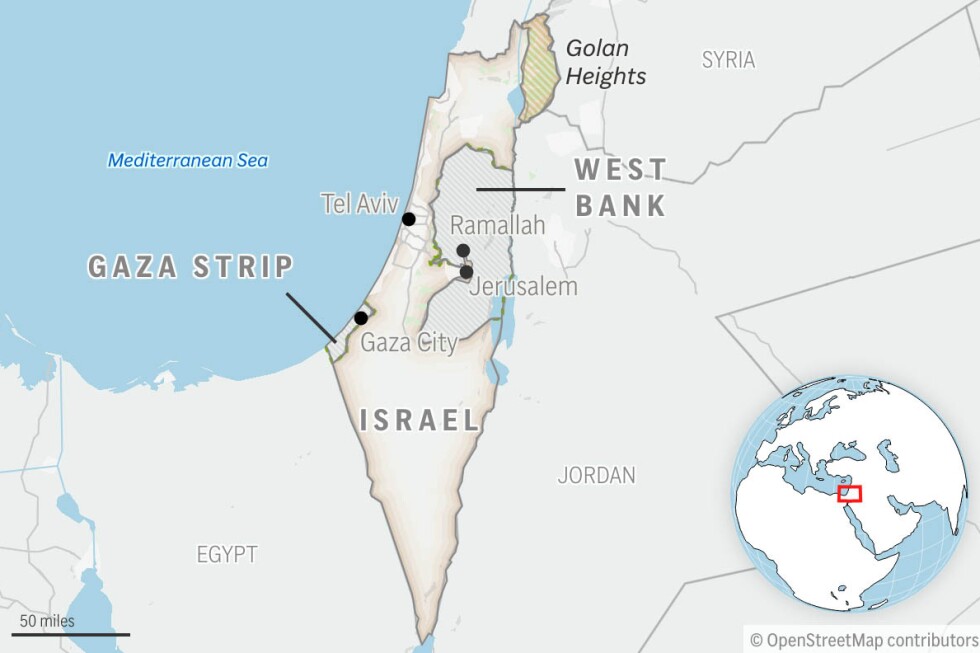
This is a locator map of Israel and the Palestinian Territories. (AP Photo) 2026-05-11T22:06:30Z Jerusalem (AP) — Israeli lawmakers approved a bill on Monday setting up a special tribunal that would try and have the authority to sentence to death Palestinians convicted of taking part in the Hamas-led-attack" class="entity-link entity-event" data-entity-id="125623" data-entity-type="event">2023 Hamas-led attack that triggered the war in Gaza . The measure passed 93-0 in the 120-seat Knesset, or parliament, reflecting widespread support for punishing those found responsible for what was the deadliest attack in Israel’s history. The remaining 27 lawmakers were absent or abstained from voting. Rights groups have criticized the measure, saying it makes the death penalty too easy to impose while also doing away with procedures safeguarding the right to a fair trial. Defendants can appeal their sentences but the appeals have to be heard by a separate, special appeals court rather than regular appeals courts. Because the bill empowers a panel of judges to hand down the death penalty by a majority vote — and requires the trials to be conducted in a livestreamed Jerusalem courtroom — it has drawn comparisons to the 1962 trial of Nazi war criminal Adolf Eichmann , which was broadcast live on television. freestar.queue.push(function () { window.fsAdCount = window.fsAdCount + 1 || 0; let customChannel = '/dynamic_' + fsAdCount; let adList = document.querySelectorAll(".fs-feed-ad") let thisAd = adList[fsAdCount]; let randId = Math.random().toString(36).slice(2); thisAd.id = randId; let thisPlacement = fsAdCount == 0 ? "apnews_story_feed" : "apnews_story_feed_dynamic"; freestar.newAdSlots({ placementName: thisPlacement, slotId: randId }, customChannel); }); Eichmann was executed by hanging, the last time the death penalty was carried out in Israel, though technically capital punishment remains on the books for acts of genocide, espionage during wartime and certain terror offenses. Opponents of the bill also say that livestreaming the proceedings before guilt is established risks turning the trials into a spectacle. They have raised questions about the reliability of the evidence that may be presented, saying it could have been extracted by harsh interrogation methods. /* Desktop-first: fully collapse by default */ #ap-readmore-embed { display: none; margin: 0; padding: 0; height: 0; min-height: 0; overflow: hidden; text-align: center; position: relative; z-index: 2; } /* Only show on mobile */ @media (max-width: 767px) { #ap-readmore-embed { display: block; margin: 28px 0; height: auto; overflow: visible; } } #ap-readmore-embed .ap-readmore-btn { appearance: none; -webkit-appearance: none; border: 0; background: #000; color: #fff; cursor: pointer; display: inline-flex; align-items: center; justify-content: center; gap: 10px; padding: 14px 22px; border-radius: 999px; font-family: inherit, "AP Sans", -apple-system, BlinkMacSystemFont, "Helvetica Neue", Arial, sans-serif; font-weight: 700; font-size: 16px; letter-spacing: 0.2px; line-height: 1; box-shadow: 0 10px 18px rgba(0,0,0,0.12); transition: transform 120ms ease, box-shadow 120ms ease, opacity 120ms ease; touch-action: manipulation; -webkit-tap-highlight-color: transparent; position: relative; z-index: 3; } #ap-readmore-embed .ap-readmore-btn:hover { transform: translateY(-1px); box-shadow: 0 14px 22px rgba(0,0,0,0.16); } #ap-readmore-embed .ap-readmore-btn:active { transform: translateY(0); box-shadow: 0 10px 18px rgba(0,0,0,0.12); opacity: 0.95; } #ap-readmore-embed .ap-readmore-btn:focus-visible { outline: 3px solid rgba(228, 0, 43, 0.35); outline-offset: 3px; } #ap-readmore-embed .ap-readmore-icon { width: 10px; height: 10px; border-right: 2px solid currentColor; border-bottom: 2px solid currentColor; transform: rotate(45deg); margin-top: -2px; } #ap-readmore-embed .ap-readmore-fade { display: none; height: 48px; margin-top: -48px; pointer-events: none; background: linear-gradient(to bottom, rgba(255,255,255,0), rgba(255,255,255,1)); } Read More (function () { var APRM_EMBED_ID = "ap-readmore-embed"; var APRM_MOBILE_MQ = "(max-width: 767px)"; function APRM_onReady(fn) { if (document.readyState === "loading") { document.addEventListener("DOMContentLoaded", fn); } else { fn(); } } APRM_onReady(function () { var APRM_embedEl = document.getElementById(APRM_EMBED_ID); if (!APRM_embedEl) return; // 🚨 DESKTOP: remove entire module wrapper and bail early if (!window.matchMedia(APRM_MOBILE_MQ).matches) { var APRM_rootModule = APRM_embedEl.closest(".HTMLModuleEnhancement") || APRM_embedEl.closest(".HtmlModule"); if (APRM_rootModule && APRM_rootModule.parentNode) { APRM_rootModule.parentNode.removeChild(APRM_rootModule); } else if (APRM_embedEl.parentNode) { APRM_embedEl.parentNode.removeChild(APRM_embedEl); } return; // stop the rest of the script from running } }); })(); (function () { var EMBED_ID = "ap-readmore-embed"; var BTN_ID = "apReadMoreBtn"; var FADE_ID = "apReadMoreFade"; var STOP_SELECTOR = ".Page-below"; var SIGN_IN_GATE_SELECTOR = ".sign-in-gate-content"; var HIDDEN_ATTR = "data-ap-readmore-hidden"; var MOBILE_MQ = "(max-width: 767px)"; function ready(fn) { if (document.readyState === "loading") { document.addEventListener("DOMContentLoaded", fn); } else { fn(); } } function isElementNode(n) { return n && n.nodeType === 1; } function cancelEvent(e) { if (!e) return; if (typeof e.preventDefault === "function") e.preventDefault(); if (typeof e.stopPropagation === "function") e.stopPropagation(); if (typeof e.stopImmediatePropagation === "function") e.stopImmediatePropagation(); e.cancelBubble = true; e.returnValue = false; } function collapseDesktopEmbed(embed) { if (!embed) return true; if (!window.matchMedia(MOBILE_MQ).matches) { var maybeWrappers = [ embed.parentElement, embed.closest(".html-embed"), embed.closest("[data-type='htmlembed']"), embed.closest("[class*='embed']"), embed.closest("[class*='Embed']") ].filter(Boolean); embed.style.display = "none"; embed.style.margin = "0"; embed.style.padding = "0"; embed.style.height = "0"; embed.style.minHeight = "0"; embed.style.overflow = "hidden"; maybeWrappers.forEach(function (el) { el.style.margin = "0"; el.style.padding = "0"; el.style.height = "0"; el.style.minHeight = "0"; el.style.overflow = "hidden"; }); if (embed.parentNode) { embed.parentNode.removeChild(embed); } return true; } return false; } ready(function () { var embed = document.getElementById(EMBED_ID); var btn = document.getElementById(BTN_ID); var fade = document.getElementById(FADE_ID); if (!embed || !btn) return; if (collapseDesktopEmbed(embed)) return; var signInGate = document.querySelector(SIGN_IN_GATE_SELECTOR); if (signInGate) { embed.innerHTML = ""; return; } // — Analytics: impression when embed enters viewport — if ("IntersectionObserver" in window) { var io = new IntersectionObserver(function (entries, observer) { if (entries[0].isIntersecting) { window.dataLayer = window.dataLayer || []; window.dataLayer.push({ event: "ap_readmore_impression" }); observer.disconnect(); } }, { threshold: 0 }); io.observe(btn); } var stopEl = document.querySelector(STOP_SELECTOR); if (!stopEl) return; var rootCandidates = [ embed.closest(".Page"), embed.closest("article"), embed.closest("main"), document.body ].filter(Boolean); var root = rootCandidates.find(function (c) { return c.contains(stopEl); }) || document.body; var all = root.getElementsByTagName("*"); var hidden = []; for (var i = 0; i The war began when Hamas-led militants stormed into Israel on Oct. 7, 2023, killing some 1,200 people and taking 251 as hostages. Israel’s ensuing blistering offensive on Gaza has killed over 72,628 Palestinians, including at least 846 killed since a ceasefire took hold last October. freestar.queue.push(function () { window.fsAdCount = window.fsAdCount + 1 || 0; let customChannel = '/dynamic_' + fsAdCount; let adList = document.querySelectorAll(".fs-feed-ad") let thisAd = adList[fsAdCount]; let randId = Math.random().toString(36).slice(2); thisAd.id = randId; let thisPlacement = fsAdCount == 0 ? "apnews_story_feed" : "apnews_story_feed_dynamic"; freestar.newAdSlots({ placementName: thisPlacement, slotId: randId }, customChannel); }); That’s according to the Gaza Health Ministry, which doesn’t differentiate between civilians and combatants but says around half the deaths were women and children. The figures by the ministry, which is part of the Hamas-led government, are seen as generally reliable by U.N. agencies and independent experts. Israeli forces also killed hundreds of militants in battles in the coastal enclave, and took an unknown number of suspects into Israeli custody where they now await trial. Simcha Rothman, one of the bill’s sponsors who is part of Prime Minister Benjamin Netanyahu ‘s ruling coalition, said the overwhelming consensus for the bill in the Knesset shows Israeli lawmakers can come together “around a common mission.” Several Israeli rights groups — including Hamoked, Adalah and the Public Committee Against Torture in Israel — said on Monday that while “justice for the victims of October 7 is a legitimate and urgent imperative,” any accountability for the crimes “must be pursued through a process which includes rather than abandons the principles of justice.” The bill is separate from a law passed in March that approved the death penalty for Palestinians convicted of murdering Israelis, a measure harshly condemned by the international community and rights groups as discriminatory and inhumane. freestar.queue.push(function () { window.fsAdCount = window.fsAdCount + 1 || 0; let customChannel = '/dynamic_' + fsAdCount; let adList = document.querySelectorAll(".fs-feed-ad") let thisAd = adList[fsAdCount]; let randId = Math.random().toString(36).slice(2); thisAd.id = randId; let thisPlacement = fsAdCount == 0 ? "apnews_story_feed" : "apnews_story_feed_dynamic"; freestar.newAdSlots({ placementName: thisPlacement, slotId: randId }, customChannel); }); That law applies to future cases and is not retroactive so it could not apply to the October 2023 suspects. According to the Public Committee Against Torture in Israel, the country still holds about 1,300 Palestinians from Gaza without charge in its detention facilities. At least 7,000 Palestinians from Gaza had been held in Israeli custody since October 2023, and 5,000 of them were later released. The 1,300 number does not include those held on suspicion of attacking Israel on Oct. 7 or involvement in holding the hostages. JULIA FRANKEL Frankel, based in Jerusalem, has reported from across Israel and the Israeli-occupied West Bank. Her reporting focuses on war, human rights, displacement and criminal justice. twitter mailto
§ 05

Entities

8 identified
§ 06

Keywords & salience

10 terms
death penalty
1.00
special tribunal
0.90
hamas-led attack
0.90
2023 attack
0.80
knesset
0.70
fair trial
0.60
capital punishment
0.50
adolf eichmann trial
0.50
war in gaza
0.40
livestreamed trials
0.40
§ 07

Topic connections

Interactive graph
Network visualization showing 51 related topics
View Full Graph
Person Organization Location Event|Click node to navigate|Edge numbers = shared articles