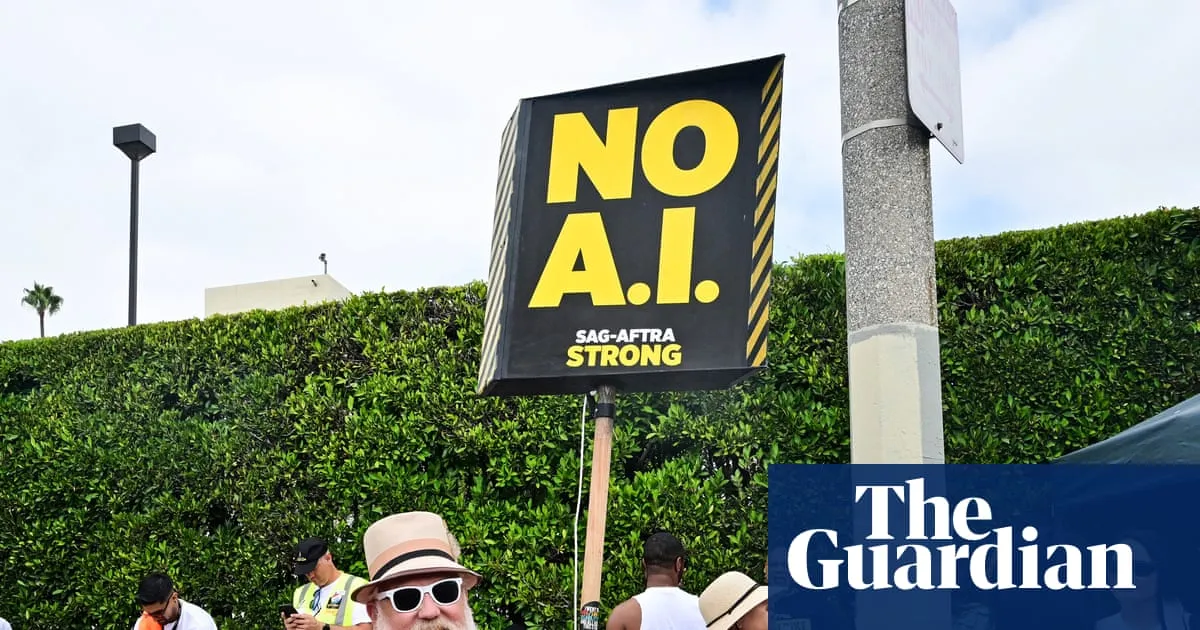
US workers overwhelmingly support pro-worker policies on artificial intelligence (AI) and view labor unions as the most reliable protectors of workers from the effects of AI, according to a new poll released by the AFL-CIO, the largest federation of labor unions in the US.More than nine out of 10 workers surveyed expressed support for policies on artificial intelligence that labor unions may fight for, including 95% supporting a requirement that a human be the final decision maker on any issues affecting individual workers and their employment.Some 92% also support advanced guardrails against harmful uses of AI in workplaces and require transparency and accountability when employers use AI.Every worker protection polled in the survey received support from at least 75% of those polled, including 75% supporting the expansion of opportunities for workers to form unions to protect their jobs from AI. The poll, conducted with David Binder Research, surveyed 1,588 respondents across the US from 14 April to 22 April.The in-depth polling of workers’ sentiments toward AI comes as workers, through collective bargaining agreements, have increasingly been seeking and securing protections on how artificial intelligence is used in the workplace.“It’s the latest way that companies can lay people off, reduce their workforce and cut corners by saying, ‘oh, well, we’ll just have AI do it,’ even if the results are bad, as we’re seeing. So I think it is important for workers to protect themselves,” said Anna Iovine, unit chair of the Ziff Davis Creators Guild, which won AI protections in their contract in 2024, including editorial integrity protections, transparency for when and how AI is used in the workplace, and no layoffs or reduced pay due to AI implementation.Hannah Drummond, a registered nurse in North Carolina and a union member with National Nurses United, also fought to include AI protections in her union contract in 2024 to ensure it would not be used without workers’ approval. She noted some hospitals have been implementing AI for scheduling and in using algorithms to estimate if a patient is going to get sicker, despite errors in the statistical models.“We have technology language that says no new technology at all can be implemented that affects the delivery of patient care without going through the union first, and no technology should de-skill or undermine our judgment,” said Drummond. “We should not be experimenting on our patients. Patients are not guinea pigs. Patients who participate in clinical trials have informed consent. AI is being used in hospitals without patients’ consent. This violates the heart of health care.”Of the workers polled, 78% said it is extremely or very important that some action be taken to protect workers from the potential harms of AI.Only 7% of workers polled said their employers disclosed how and when their work is monitored by AI, while 70% said their employers have not disclosed this, and 23% were unsure. 94% of workers said they believe workers should be informed by their employers if AI is being used to monitor their work.When respondents were asked whether Democrats, Republicans, labor unions, or employers were more trustworthy to protect workers from AI, 38% picked labor unions, 17% said Democrats, 10% said Republicans, 6% employers, and 18% chose none of the options.“These results make it clear: our Workers First Initiative on AI is not just a set of principles, but a mandate to deliver,” said Liz Shuler, president of the AFL-CIO, in a statement on the poll results. “The vast majority of America’s workers agree on how to move forward on AI and who they trust to do it, and it’s not Democrats, Republicans, Big Tech, or their employers – it’s the labor movement.”
SRCThe Guardian - World News
LANGEN
LEANCenter-Left
WORDS607
ENT8
TUE · 2026-05-12 · 11:00 GMTBRIEF NSR-2026-0512-75598
NSR-2026-0512-75598News Report·EN·Social Justice
US workers overwhelmingly support union-backed policies on AI, poll says
A recent poll conducted by the AFL-CIO reveals that a significant majority of US workers strongly support union-backed policies regarding artificial intelligence (AI). The survey found that over 90% of respondents favor human oversight in AI-driven employment decisions and advocate for robust safeguards against harmful AI applications in the workplace, demanding transparency and accountability.
Michael SainatoThe Guardian - World NewsFiled 2026-05-12 · 11:00 GMTLean · Center-LeftRead · 3 min
The Guardian - World NewsFIG 01
Reading time
3min
Word count
607words
Sources cited
3cited
Entities identified
8entities
Quality score
100%
§ 01
Briefing Summary
AI-generatedNEWSAR · AI
A recent poll conducted by the AFL-CIO reveals that a significant majority of US workers strongly support union-backed policies regarding artificial intelligence (AI). The survey found that over 90% of respondents favor human oversight in AI-driven employment decisions and advocate for robust safeguards against harmful AI applications in the workplace, demanding transparency and accountability. Workers also expressed widespread support for the right to form unions to protect their jobs from AI's impact. This sentiment aligns with current trends where workers are increasingly negotiating AI protections into their collective bargaining agreements, as exemplified by recent contract wins for creators and nurses. The poll, which surveyed 1,588 individuals nationwide between April 14-22, highlights a clear worker demand for proactive measures to manage AI's integration into the workforce.
Confidence 0.90Sources 3Claims 5Entities 8
§ 02
Article analysis
Model · rule-basedFraming
Social Justice
Technology
Tone
Measured
AI-assessed
CalmNeutralAlarmist
Factuality
0.70 / 1.00
Factual
LowHigh
Sources cited
3
Well sourced
FewMany
§ 03
Key claims
5 extracted01
Only 7% of workers polled reported their employers disclosed AI monitoring practices; 70% said no disclosure occurred.
statisticAFL-CIO poll
Confidence
1.00
02
78% of polled workers believe action is needed to protect them from potential AI harms.
statisticAFL-CIO poll
Confidence
1.00
03
Every worker protection polled received at least 75% support, including 75% for expanding union formation to protect jobs from AI.
statisticAFL-CIO poll
Confidence
1.00
04
92% of surveyed workers support advanced guardrails against harmful AI uses and require transparency/accountability from employers.
statisticAFL-CIO poll
Confidence
1.00
05
Over 90% of US workers surveyed support pro-worker policies on AI, with 95% backing human final decision-making on employment issues.
statisticAFL-CIO poll
Confidence
1.00
§ 04
Full report
3 min read · 607 words§ 05
Entities
8 identifiedKey playerOppositionContextPositiveNeutralNegative
Organizations4
§ 06
Keywords & salience
10 termslabor unions
1.00
artificial intelligence
1.00
worker protections
0.90
ai policies
0.80
workplace ai
0.70
collective bargaining
0.60
ai transparency
0.50
human decision making
0.50
afl-cio
0.40
job security
0.40
§ 07
Topic connections
Interactive graph Network visualization showing 51 related topics
View Full Graph Person Organization Location Event|Click node to navigate|Edge numbers = shared articles