Small study hints that revving up immune cells might help fight HIV
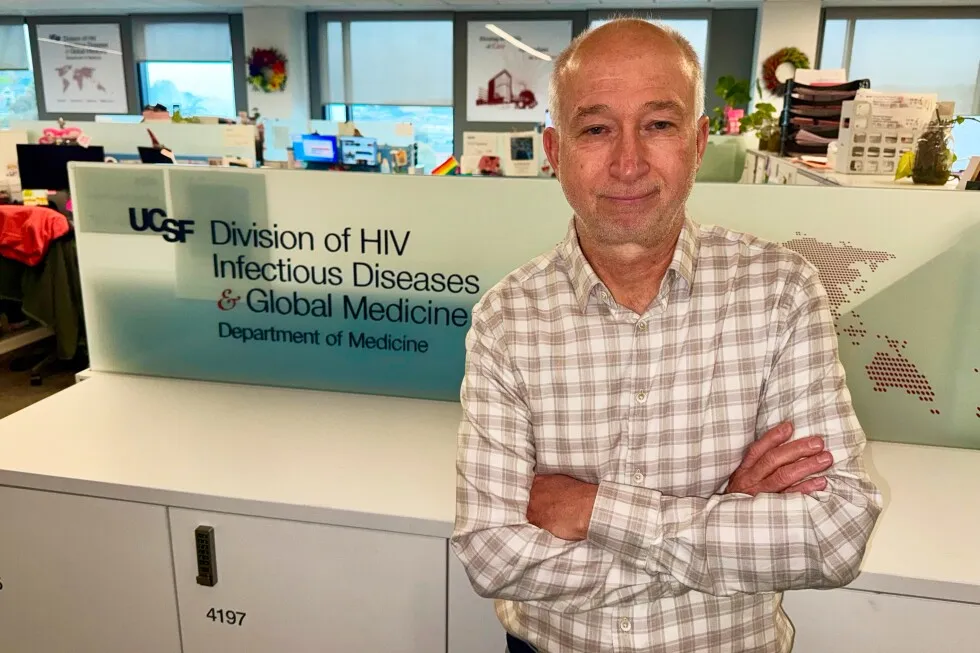
A small study presented at a gene and cell therapy meeting suggests that CAR-T cell therapy, a cancer treatment, may hold promise for fighting HIV. Researchers at the University of California, San Francisco, led by Dr.
Briefing Summary
AI-generatedA small study presented at a gene and cell therapy meeting suggests that CAR-T cell therapy, a cancer treatment, may hold promise for fighting HIV. Researchers at the University of California, San Francisco, led by Dr. Steven Deeks, found that a single dose of supercharged immune cells strongly suppressed HIV in two individuals for extended periods, nearly a year and two years respectively, without the need for daily medications. While these results are considered provocative and a potential step towards a one-time cure, larger and longer studies are necessary to confirm the therapy's long-term effectiveness and safety for the millions living with HIV worldwide. The current standard of care involves lifelong medication to manage the virus.
Article analysis
Model · rule-basedKey claims
5 extractedThere is a significant need for a safe, scalable, and one-time HIV cure.
The sustained response observed in two patients is considered 'provocative' and warrants further investigation.
Current HIV medications manage the virus as a chronic disease but require continuous adherence and affordability.
Scientists are adapting a cancer therapy (CAR-T cell therapy) to potentially treat HIV by enhancing patients' immune cells.
A single dose of these modified cells suppressed HIV in two individuals for extended periods (nearly 1-2 years) without standard medication.