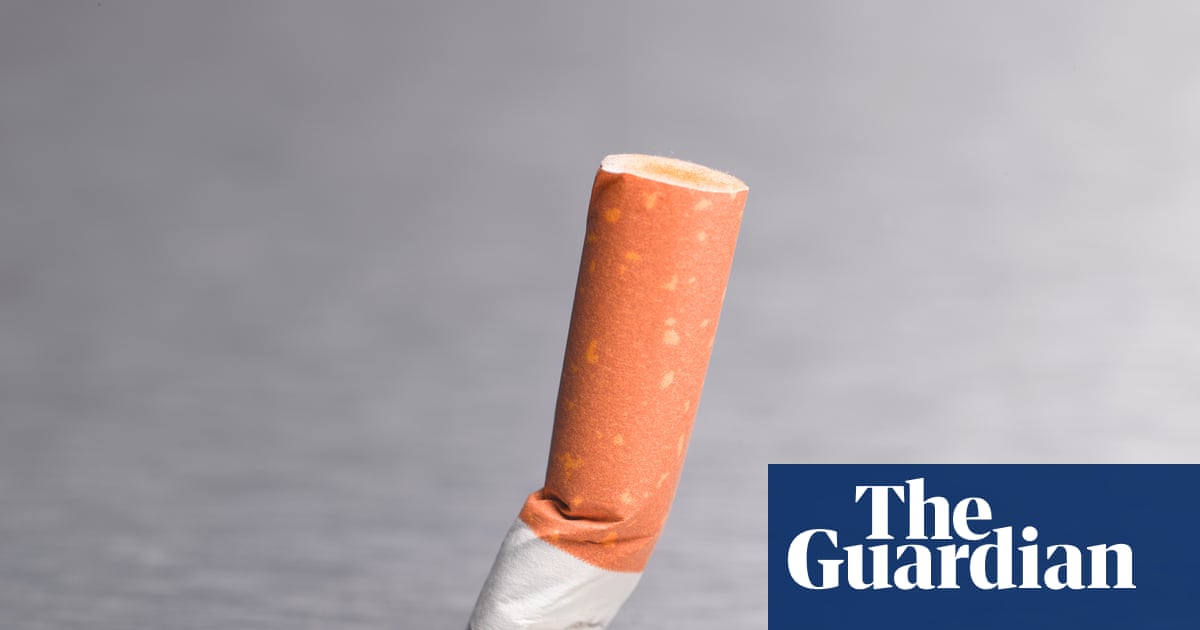
Health organisations accuse the tobacco industry of trying to reshape public debate in Australia to push for big cuts to government excise. Photograph: Peter Dazeley/Getty Images View image in fullscreen Health organisations accuse the tobacco industry of trying to reshape public debate in Australia to push for big cuts to government excise. Photograph: Peter Dazeley/Getty Images Big tobacco is exploiting fears of the illicit market to unwind health gains, Australian experts warn Cigarettes kill 66 Australians every day, coalition says, criticising MPs who heard evidence from Philip Morris in secret Get our breaking news email, free app or daily news podcast Big tobacco is exploiting fears of the illicit market to unwind longstanding health policies, leading health campaigners have warned, amid a parliamentary inquiry which took secret evidence from the cigarette manufacturer Philip Morris. A coalition of 15 health organisations including the Cancer Council and the Heart Foundation, as well as health experts and researchers, have accused the industry of trying to reshape public debate to push for major cuts to government excise. The inquiry into booming illicit sales attracted controversy this month when Australia" class="entity-link entity-organization" data-entity-id="329" data-entity-type="organization">Guardian Australia revealed it had held a secret hearing for Philip Morris executives, ending more than 15 years of precedent under Australia’s participation in a World Health Organization agreement. Executives warned that illegal cigarettes would wipe out legal products in Australia by 2030 and called for a cut to the tobacco excise to undermine criminal business models. Company representatives appeared in secret at the first committee hearing and their names were withheld from public transcripts. But the group of health organisations, led by the Cancer Council, rubbished the claims and called it a “dog whistle”. “The industry is now using the rise of illicit tobacco to reshape public debate and to push for lower taxes,” the group said. “But illicit tobacco is primarily an enforcement and health issue, not a tax one. “Even if we were to cut the tobacco tax altogether, illicit products would remain cheaper, while legal tobacco would become more affordable, tobacco industry profits would skyrocket and smoking rates would increase, undoing decades of progress.” The WHO agreement on tobacco control requires public officials to protect health policy from interference from the tobacco industry and associated interests. Australia’s health department guidance suggests Australian public officials, including MPs, should only interact with executives and lobbyists from tobacco manufacturers “when and to the extent strictly necessary” to effectively regulate smoking. The group has written an open letter in the lead-up to the committee’s second hearing, which will include testimony from the Australian Criminal Intelligence Commission, Australian federal police, the health department and the tax office. The letter says Australia’s success in tobacco control is fragile and must reject attempts by the tobacco lobby to regain influence over public health policy. It calls for the government to enforce transparency and protection against tobacco industry interference, and to maintain tobacco levies, advertising restrictions and public education campaigns. It said the decision by the Coalition-chaired committee to allow Philip Morris to give evidence in secret was “deeply concerning”. “Giving a tobacco giant this platform undermines Australia’s obligations under the WHO Framework, which is designed to protect policymaking from tobacco industry interference,” it said. “These safeguards exist for a reason – tobacco company profits depend on products that still kill 66 Australians every day.” Smoking kills 24,000 Australians each year and is Australia’s leading cause of preventable death. One in five cancer deaths is attributed to tobacco use. Public Health Association of Australia research suggests any lowering of the excise rate would hand manufacturers billions of dollars. A 50% cut would be worth an estimated $2.3bn to tobacco companies. Already the surge in the illegal trade has caused a $6bn hit to the federal budget in less than six months. In the Albanese government’s mid-year budget update in December, tobacco excise was expected to raise about $5.5bn in 2025-26. By the time of last week’s federal budget, that figure had dropped to $4.1bn. Treasury expects it to fall to $2.1bn by mid-2030. Explore more on these topics Health tobacco industry Australian politics Coalition Smoking Tax Crime - Australia news Share Reuse this content
SRCThe Guardian - World News
LANGEN
LEANCenter-Left
WORDS694
ENT12
SUN · 2026-05-17 · 15:00 GMTBRIEF NSR-2026-0517-77008
NSR-2026-0517-77008News Report·EN·Public Health
Big tobacco is exploiting fears of the illicit market to unwind health gains, Australian experts warn
Australian health organizations and experts are warning that "big tobacco" is using concerns about the illicit market to undermine public health policies. A coalition of 15 health groups, including the Cancer Council and Heart Foundation, accuse the tobacco industry of attempting to influence public debate to advocate for significant cuts to government tobacco excise taxes.
Tom McIlroy and Krishani DhanjiThe Guardian - World NewsFiled 2026-05-17 · 15:00 GMTLean · Center-LeftRead · 3 min
The Guardian - World NewsFIG 01
Reading time
3min
Word count
694words
Sources cited
5cited
Entities identified
12entities
Quality score
100%
§ 01
Briefing Summary
AI-generatedNEWSAR · AI
Australian health organizations and experts are warning that "big tobacco" is using concerns about the illicit market to undermine public health policies. A coalition of 15 health groups, including the Cancer Council and Heart Foundation, accuse the tobacco industry of attempting to influence public debate to advocate for significant cuts to government tobacco excise taxes. This comes as a parliamentary inquiry into illicit tobacco sales held a secret hearing with Philip Morris executives, a move criticized for potentially violating World Health Organization agreements designed to protect health policy from industry interference. Health groups argue that reducing tobacco taxes would increase affordability and smoking rates, undoing decades of progress, and that illicit tobacco is primarily an enforcement and health issue, not a tax one. They are urging the government to maintain tobacco levies and resist industry attempts to regain influence over public health policy.
Confidence 0.90Sources 5Claims 5Entities 12
§ 02
Article analysis
Model · rule-basedFraming
Public Health
Political Strategy
Tone
Mixed Tone
AI-assessed
CalmNeutralAlarmist
Factuality
0.70 / 1.00
Factual
LowHigh
Sources cited
5
Well sourced
FewMany
§ 03
Key claims
5 extracted01
A coalition of 15 health organisations accuses the tobacco industry of trying to reshape public debate to push for major cuts to government excise.
factualCoalition of health organisations
Confidence
0.95
02
Cigarettes kill 66 Australians every day.
statisticCoalition
Confidence
0.90
03
Philip Morris executives warned that illegal cigarettes would wipe out legal products in Australia by 2030 and called for a cut to the tobacco excise.
quotePhilip Morris executives
Confidence
0.90
04
Big tobacco is exploiting fears of the illicit market to unwind longstanding health policies.
quoteAustralian health campaigners
Confidence
0.90
05
Even if we were to cut the tobacco tax altogether, illicit products would remain cheaper, while legal tobacco would become more affordable, tobacco industry profits would skyrocket and smoking rates would increase, undoing decades of progress.
quoteCoalition of health organisations
Confidence
0.85
§ 04
Full report
3 min read · 694 words§ 05
Entities
12 identifiedKey playerOppositionContextPositiveNeutralNegative
Organizations5
Locations1
§ 06
Keywords & salience
10 termstobacco industry
1.00
illicit market
0.90
health gains
0.80
government excise
0.80
public debate
0.70
health policies
0.70
philip morris
0.60
who agreement
0.50
smoking rates
0.40
parliamentary inquiry
0.40
§ 07
Topic connections
Interactive graph Network visualization showing 51 related topics
View Full Graph Person Organization Location Event|Click node to navigate|Edge numbers = shared articles