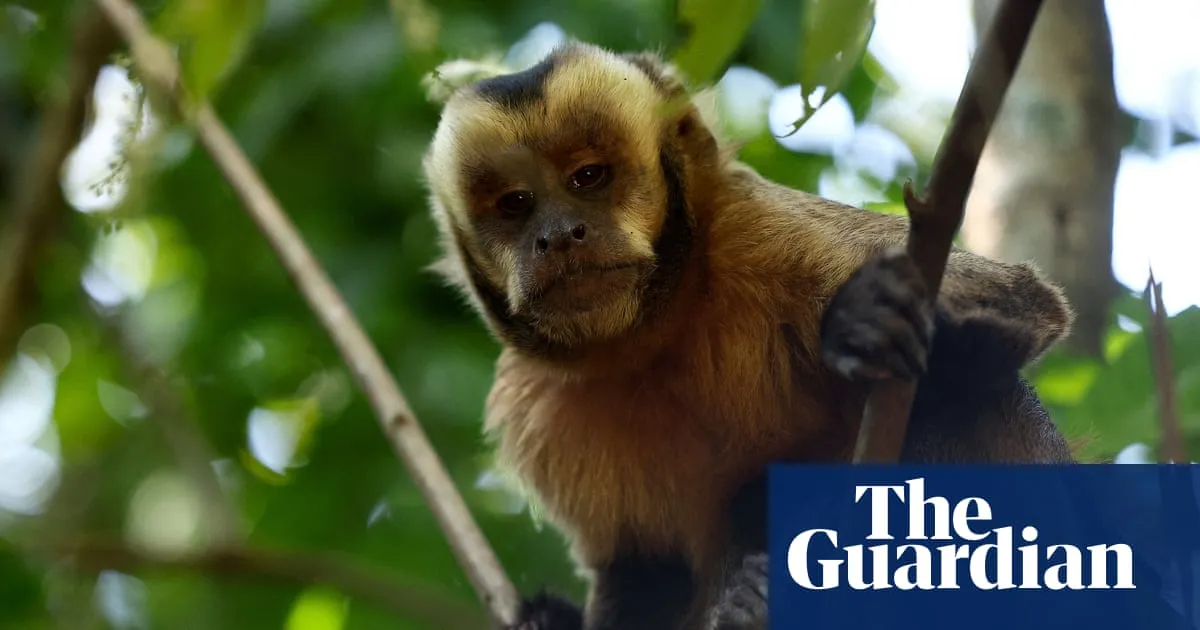
A new report from leading wildlife and conservation organizations has revealed a sharp rise in the online sale of primates across major social media platforms in the US, raising concerns about wildlife trafficking, public safety and animal welfare.The report, titled Primates for Purchase: The Surge in Sales on Social Media in the US, was released Tuesday by the Association of Zoos and Aquariums (AZA), the International Fund for animal welfare (IFAW) and the World Wildlife Fund (WWF).Researchers monitored activity over a six-week period in mid-2025 and identified more than 1,600 primates listed for sale on Facebook, Instagram, TikTok and YouTube. Many listings were easily found through searches using terms such as “monkey rehoming” or “adoption”, despite platform restrictions on wildlife sales.Sellers frequently disguised commercial transactions as rescue or rehoming efforts, allowing listings to remain publicly visible while avoiding detection, according to the report.The study documented 1,131 online posts from 122 social media users advertising 1,614 live primates for sale. Twelve primate taxa were identified, including macaques, capuchins, marmosets, spider monkeys, tamarins, squirrel monkeys, vervets, lemurs, bush babies, chimpanzees, howler monkeys and owl monkeys.Macaques accounted for the largest number of listings, with 839 individuals identified, followed by marmosets at 293 and capuchins at 275. Prices ranged from $250 to $6,500 depending on species, age and rarity.Researchers said many of the animals advertised online were infants and juveniles. The report notes that infant primates are often taken from their mothers in the wild because buyers are led to believe younger animals will bond more easily with humans. Many animals suffer severe trauma or die during smuggling operations before reaching buyers.About 60% of the world’s primate species are threatened with extinction, and roughly 75% have declining populations largely from habitat loss driven by human activities such as industrial agriculture, logging and hunting.“The ease with which primates are being bought and sold online should be a wake-up call,” Sara Walker, senior adviser on wildlife trafficking at AZA said in a statement. “These are complex, long-lived wild animals – not pets – and this growing digital marketplace is fueling demand, causing animals to suffer. This also increases pressure on zoos and sanctuaries that must care for confiscated wildlife – often for the rest of their lives, since most confiscated primates cannot be returned to the wild.”wildlife trafficking is estimated to be part of a global illicit trade worth about $23bn annually and is considered one of the world’s largest hidden markets alongside drugs, firearms and human trafficking. According to the report, primates are increasingly being smuggled into the US, including across the Mexican border, while inconsistent laws continue to make trafficking a “low-risk, high-reward” criminal enterprise.Ed Newcomer, former special agent for the US Fish and Wildlife Service, said in a statement: “Wild primates are just the latest wild animal put at risk by a combination of ignorant desire and calculated greed. This report highlights the growing problem of primate trafficking in the United States. Now is the time for action to prevent the demise of iconic wild species and to keep the public safe from the diseases and injuries primates can cause.”Experts warn that growing visibility and accessibility of primates online could continue to drive demand unless stronger enforcement and policy measures are introduced, such as strengthening federal laws and improving reporting tools for wildlife sales on social media platforms.
SRCThe Guardian - World News
LANGEN
LEANCenter-Left
WORDS555
ENT12
TUE · 2026-05-19 · 10:00 GMTBRIEF NSR-2026-0519-77522
NSR-2026-0519-77522News Report·EN·Environmental
New report reveals sharp rise in online sale of primates on social media in US
A new report by the Association of Zoos and Aquariums, International Fund for Animal Welfare, and World Wildlife Fund reveals a significant increase in online primate sales on U.S. social media platforms.
Marina DunbarThe Guardian - World NewsFiled 2026-05-19 · 10:00 GMTLean · Center-LeftRead · 3 min
The Guardian - World NewsFIG 01
Reading time
3min
Word count
555words
Sources cited
3cited
Entities identified
12entities
Quality score
100%
§ 01
Briefing Summary
AI-generatedNEWSAR · AI
A new report by the Association of Zoos and Aquariums, International Fund for Animal Welfare, and World Wildlife Fund reveals a significant increase in online primate sales on U.S. social media platforms. Researchers identified over 1,600 primates listed for sale on platforms like Facebook and TikTok during a six-week period in mid-2025, with many sellers disguising commercial transactions as rehoming efforts. The study documented sales of various primate species, including macaques, marmosets, and capuchins, with prices ranging from $250 to $6,500. The report highlights concerns about wildlife trafficking, public safety, and animal welfare, noting that many advertised animals are infants taken from their mothers, often suffering trauma or death during transit. Experts warn that this growing digital marketplace fuels demand and puts already threatened primate species at further risk.
Confidence 0.90Sources 3Claims 5Entities 12
§ 02
Article analysis
Model · rule-basedFraming
Environmental
Public Health
Tone
Mixed Tone
AI-assessed
CalmNeutralAlarmist
Factuality
0.80 / 1.00
Factual
LowHigh
Sources cited
3
Well sourced
FewMany
§ 03
Key claims
5 extracted01
About 60% of the world’s primate species are threatened with extinction.
statisticAssociation of Zoos and Aquariums (AZA), International Fund for Animal Welfare (IFAW), World Wildlife Fund (WWF)
Confidence
1.00
02
Sellers frequently disguised commercial transactions as rescue or rehoming efforts to avoid detection.
factualAssociation of Zoos and Aquariums (AZA), International Fund for Animal Welfare (IFAW), World Wildlife Fund (WWF)
Confidence
1.00
03
Researchers identified over 1,600 primates listed for sale on Facebook, Instagram, TikTok, and YouTube during a six-week period in mid-2025.
statisticAssociation of Zoos and Aquariums (AZA), International Fund for Animal Welfare (IFAW), World Wildlife Fund (WWF)
Confidence
1.00
04
A new report reveals a sharp rise in the online sale of primates on social media in the US.
factualAssociation of Zoos and Aquariums (AZA), International Fund for Animal Welfare (IFAW), World Wildlife Fund (WWF)
Confidence
1.00
05
Wildlife trafficking is estimated to be part of a global illicit trade worth about $23bn annually.
statisticReport (unspecified author)
Confidence
0.90
§ 04
Full report
3 min read · 555 words§ 05
Entities
12 identifiedKey playerOppositionContextPositiveNeutralNegative
Organizations7
Locations1
§ 06
Keywords & salience
8 termsonline primate sales
1.00
wildlife trafficking
0.90
social media
0.80
animal welfare
0.70
primate species
0.60
conservation organizations
0.50
public safety
0.40
endangered species
0.40
§ 07
Topic connections
Interactive graph No topic relationship data available yet. This graph will appear once topic relationships have been computed.