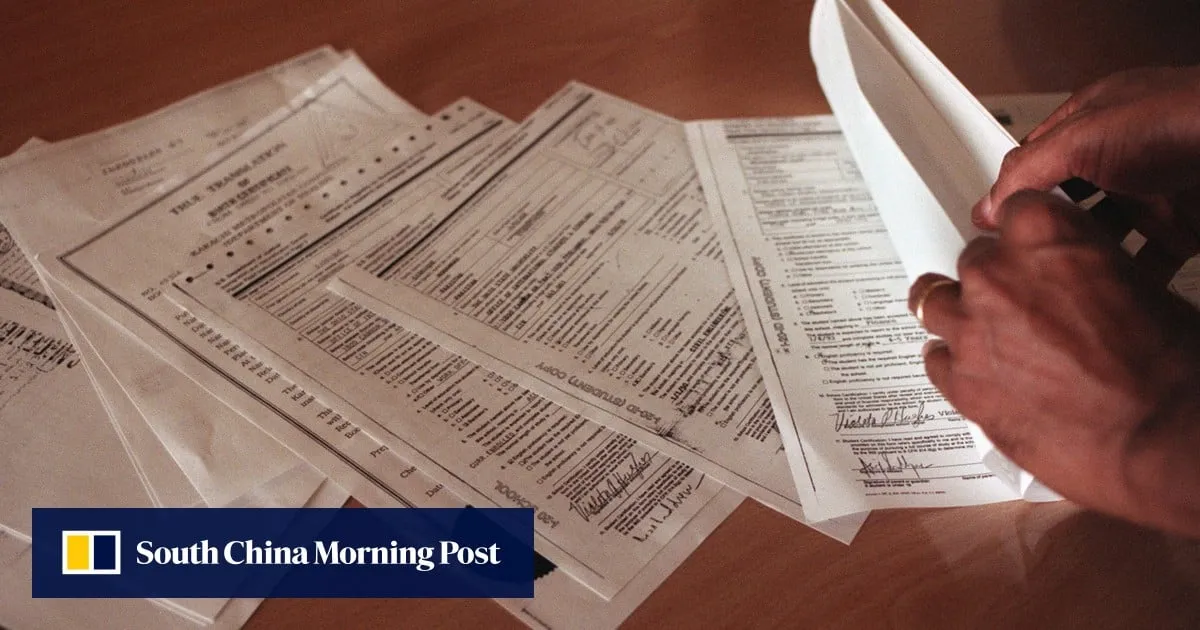
For generations of Indian tech workers, the H-1B visa has been a golden ticket, turning ambitious engineers from Hyderabad and Bengaluru into Silicon Valley professionals, as it transformed Indian IT firms into global powerhouses.Now, a Trump administration proposal to sharply raise the minimum salaries required to qualify for the programme threatens to close that door to the United States, redirecting Indian talent towards Europe, Australia, New Zealand and beyond instead.Under the new proposal, an entry-level software engineer in San Francisco would need to earn US$162,000 a year to qualify for the visa, according to Bloomberg – nearly 30 per cent higher than today’s threshold. In Dallas, the floor would rise to US$113,000; in New York, US$132,000.
SRCSouth China Morning Post
LANGEN
LEANCenter-Right
WORDS116
ENT12
WED · 2026-05-20 · 10:00 GMTBRIEF NSR-2026-0520-77814
NSR-2026-0520-77814News Report·EN·Economic Impact
Trump’s H-1B visa squeeze paves way for Indian tech exodus
A Trump administration proposal to significantly increase the minimum salary requirements for H-1B visas is poised to impact Indian tech workers. Previously a pathway for many Indian engineers to work in the United States and contribute to the growth of Indian IT firms, the H-1B visa program may become less accessible.
Biman MukherjiSouth China Morning PostFiled 2026-05-20 · 10:00 GMTLean · Center-RightRead · 1 min
South China Morning PostFIG 01
Reading time
1min
Word count
116words
Sources cited
1cited
Entities identified
12entities
Quality score
100%
§ 01
Briefing Summary
AI-generatedNEWSAR · AI
A Trump administration proposal to significantly increase the minimum salary requirements for H-1B visas is poised to impact Indian tech workers. Previously a pathway for many Indian engineers to work in the United States and contribute to the growth of Indian IT firms, the H-1B visa program may become less accessible. Under the proposed changes, entry-level software engineers in high-cost areas like San Francisco would need to earn substantially more, with salary floors rising considerably across different cities. This shift could lead to a redirection of Indian tech talent towards other global destinations such as Europe, Australia, and New Zealand, rather than the United States.
Confidence 0.85Sources 1Claims 5Entities 12
§ 02
Article analysis
Model · rule-basedFraming
Economic Impact
Human Interest
Tone
Mixed Tone
AI-assessed
CalmNeutralAlarmist
Factuality
0.70 / 1.00
Factual
LowHigh
Sources cited
1
Limited
FewMany
§ 03
Key claims
5 extracted01
The proposed salary threshold for H-1B visas is nearly 30 per cent higher than today’s threshold.
statisticBloomberg
Confidence
0.95
02
Under the new proposal, an entry-level software engineer in San Francisco would need to earn US$162,000 a year to qualify for the H-1B visa.
statisticBloomberg
Confidence
0.95
03
The H-1B visa has historically been a pathway for Indian engineers to work in Silicon Valley and has helped transform Indian IT firms into global powerhouses.
factual
Confidence
0.90
04
A Trump administration proposal to sharply raise H-1B visa minimum salaries threatens to close the door to the US for Indian tech workers.
factual
Confidence
0.90
05
The proposed changes may redirect Indian talent towards Europe, Australia, New Zealand and beyond.
prediction
Confidence
0.70
§ 04
Full report
1 min read · 116 words§ 05
Entities
12 identifiedKey playerOppositionContextPositiveNeutralNegative
Organizations1
Locations9
Topics1
§ 06
Keywords & salience
8 termsh-1b visa
1.00
indian tech workers
0.90
trump administration
0.80
salary requirements
0.70
tech exodus
0.60
indian it firms
0.50
silicon valley
0.50
talent redirection
0.40
§ 07
Topic connections
Interactive graph Network visualization showing 51 related topics
View Full Graph Person Organization Location Event|Click node to navigate|Edge numbers = shared articles