People mistakenly believe net Migration is rising in Britain despite figures dropping to their lowest level in years, a leading thinktank has found.New research from British Future, published ahead of latest government figures on Migration, has revealed a chasm between reality and public perception of net Migration, with a substantial portion of the public believing it has increased, despite figures showing a sharp fall.Net Migration dropped from a peak of 944,000 in the year to March 2023 to 204,000 in the year to June 2025, according to government figures.The latest figures will be published on Thursday morning, and are expected to show a further decrease in net Migration.According to British Future’s research, 67% of people with sceptical views on immigration believe net Migration increased in 2025, compared with 37% of those with more liberal views. It also found six in 10 people who would like to see immigration reduced also believe numbers are still rising. Only 15% of people expect net Migration to be lower in the next year.The researchers found that people believe individuals seeking asylum account for 33% of immigration, when in reality it is about 9%. They also believe people travelling to the UK for study account for 24% of immigration, when it is in fact just over half.The perception gap is not just shaping the immigration debate but also politics more broadly, British Future’s director, Sunder Katwala, said.“It’s little wonder voters think net Migration is going up when the only debate we have is about how to bring it down,” he said. “We should be having a conversation about how to manage the pressures and gains of Migration to Britain.”Conversation surrounding immigration has become increasingly polarised, particularly since the Brexit referendum. A decade on, “stop the boats” rhetoric and numerous pledges across the political spectrum to thwart an increase in unauthorised crossings of the Channel have shaped attitudes on immigration.While net immigration figures have dropped, Labour and Conservative MPs have spoken in the past five years with increasing hostility about immigration more than at almost any other time in the last century, Guardian analysis has shown. Mistrust on immigration is shared across all parties, British Future found.In November, the home secretary, Shabana Mahmood, whose Labour Party has proposed changes to settlement and citizenship, acknowledged a 69% drop in net Migration in the 12 months to June 2025, to the lowest annual figure since 2021, but said: “We are going further because the pace and scale of Migration has placed immense pressure on local communities.”The shadow home secretary, Chris Philp, said in response to the fall: “We need to go much further.” Reform UK, meanwhile, has pledged to reach “net zero” immigration. The party’s leader, Nigel Farage, has falsely claimed the drop in net Migration was largely the result of British emigration – not the fall in overseas arrivals.Immigration ranks as the third most important issue in public opinion, just the behind cost of living and the NHS. Sophie Stowers, a research manager at More in Common, believes the misconception is partly because pictures and videos of people arriving on small boats, and asylum hotels opening in towns, draw a more visceral response than official figures.“We know there’s not always a really clear tie between net Migration levels and how the public feels about immigration,” Stowers said. “Net Migration or legal Migration is only part of the story, and ultimately it’s not the story most voters are concerned with.”British Future used Number Cruncher Politics for the research, which surveyed a national sample of 3,003 adults across Great Britain at the end of March.If current trends continue, all parties “may be looking at a very different immigration context” over the next three years as they prepare for the 2029 general election campaign, the report said.Stowers said concerns about immigration and small boats were rooted in wider issues, including security and stability in an increasingly uncertain world.“It’s not even just about immigration any more; it’s a whole proxy for whether the system we have is working or not,” she said. “I think that’s why it’s so difficult to have these conversations and why just talking about net Migration going down doesn’t shift the dial.”
SRCThe Guardian - World News
LANGEN
LEANCenter-Left
WORDS695
ENT9
WED · 2026-05-20 · 23:01 GMTBRIEF NSR-2026-0521-77970
NSR-2026-0521-77970News Report·EN·Political Strategy
Voters across parties believe UK net migration is rising despite sharp drop
A study by British Future reveals a significant disconnect between public perception and reality regarding UK net migration. Despite official figures showing a sharp drop to their lowest level in years, a substantial portion of the public, across various political viewpoints, mistakenly believes net migration is increasing.
Geneva AbdulThe Guardian - World NewsFiled 2026-05-20 · 23:01 GMTLean · Center-LeftRead · 3 min
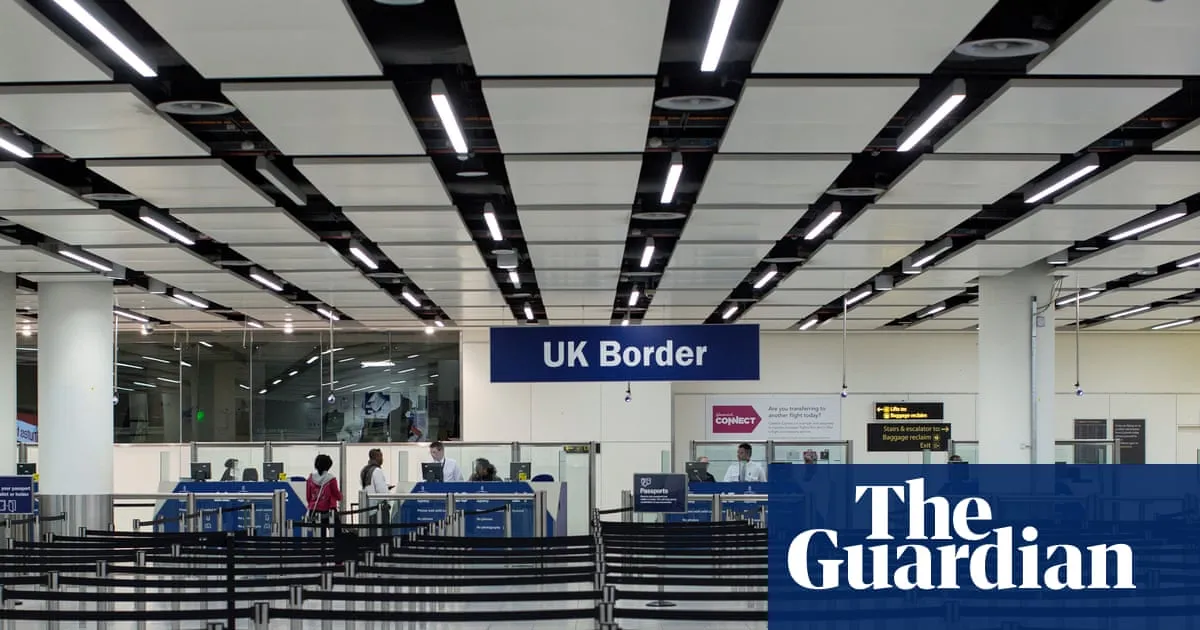
The Guardian - World NewsFIG 01
Reading time
3min
Word count
695words
Sources cited
4cited
Entities identified
9entities
Quality score
100%
§ 01
Briefing Summary
AI-generatedNEWSAR · AI
A study by British Future reveals a significant disconnect between public perception and reality regarding UK net migration. Despite official figures showing a sharp drop to their lowest level in years, a substantial portion of the public, across various political viewpoints, mistakenly believes net migration is increasing. For instance, 67% of those skeptical about immigration believe numbers rose in 2025, while the reality is a decrease from a peak of 944,000 to 204,000 in the year to June 2025. This misconception is influencing the immigration debate and broader political discourse. Researchers found people overestimate the proportion of asylum seekers and underestimate the proportion of students among immigrants. This perception gap persists even as political parties across the spectrum advocate for further reductions in immigration.
Confidence 0.90Sources 4Claims 4Entities 9
§ 02
Article analysis
Model · rule-basedFraming
Political Strategy
Social Justice
Tone
Measured
AI-assessed
CalmNeutralAlarmist
Factuality
0.70 / 1.00
Factual
LowHigh
Sources cited
4
Well sourced
FewMany
§ 03
Key claims
4 extracted01
Net migration dropped from a peak of 944,000 in the year to March 2023 to 204,000 in the year to June 2025.
statisticgovernment figures
Confidence
0.95
02
People believe individuals seeking asylum account for 33% of immigration, when in reality it is about 9%.
statisticBritish Future
Confidence
0.90
03
Voters across parties mistakenly believe net migration is rising despite figures dropping to their lowest level in years.
statisticBritish Future
Confidence
0.90
04
Nigel Farage has falsely claimed the drop in net migration was largely the result of British emigration – not the fall in overseas arrivals.
factualarticle
Confidence
0.85
§ 04
Full report
3 min read · 695 words§ 05
Entities
9 identifiedKey playerOppositionContextPositiveNeutralNegative
Organizations3
§ 06
Keywords & salience
9 termsnet migration
1.00
public perception
0.90
immigration debate
0.80
british future
0.70
political discourse
0.60
government figures
0.50
brexit referendum
0.50
asylum seekers
0.40
political parties
0.40
§ 07
Topic connections
Interactive graph Network visualization showing 3 related topics
View Full Graph Person Organization Location Event|Click node to navigate|Edge numbers = shared articles