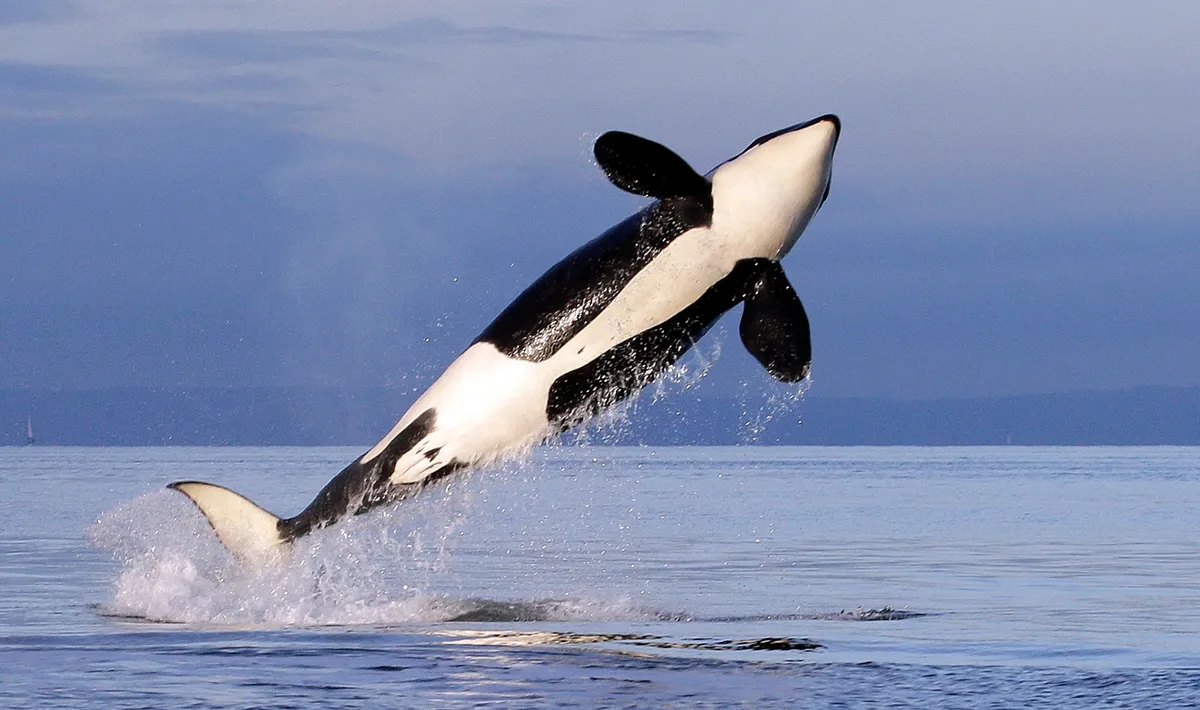
World-first pact aims to protect 10 million species from threats such as climate change, overfishing and deep-sea mining.Published On 16 Jan 2026A landmark United Nations treaty protecting marine diversity in international waters is due to enter into force, after 81 governments agreed to include it in their national laws.In total, 148 countries, representing more than three-quarters of all UN member states, have signed on to the High Seas Treaty since it was adopted in June 2023.Recommended Stories list of 4 itemslist 1 of 4Climate change an ‘existential threat’, UN court says in landmark opinionlist 2 of 4First treaty to protect marine life in high seas to take effect in Januarylist 3 of 4Trump torpedoes international deal to reduce shipping emissionslist 4 of 4‘We don’t want to disappear’: Tuvalu fights for climate action and survivalend of listCountries that have fully ratified the treaty in their national laws include island nations such as Palau, Cuba and the Maldives, as well as some of the world’s biggest economies, including China, Germany, Japan, France and Brazil.Coming into force on Saturday and officially known as the Agreement on the Conservation and Sustainable Use of Marine Biological Diversity of Areas beyond National Jurisdiction (BBNJ), the treaty offers new protections to an area covering two-thirds of the world’s oceans and as many as 10 million different species, many of which are still unidentified.Rebecca Hubbard, the director of the High Seas Alliance, a nongovernmental organisation that supports the treaty, said the agreement offers a means to protect an “extraordinary part of our planet”.“The High Seas are full of life, from tiny plankton all the way up to the great whales that rely on them,” Hubbard said in a statement.“We’re only just beginning to understand how important this vast, interconnected world is for the health of our entire planet,” she said.“Whether it’s underwater mountains, deep-sea plains and trenches, the icy polar waters, or the open-ocean highways that migratory species travel, the High Seas are as vital as they are immense,” she added.UN Secretary-General Antonio Guterres has previously described the treaty as “a lifeline for the ocean and humanity”, as it faces threats including “climate change, biodiversity loss and pollution”.
SRCAl Jazeera
LANGEN
LEANCenter
WORDS360
ENT11
FRI · 2026-01-16 · 09:18 GMTBRIEF NSR-2026-0116-7857
NSR-2026-0116-7857News Report·EN·Environmental
UN treaty to protect ‘extraordinary’ marine life due to come into force
A UN treaty to protect marine biodiversity in international waters, known as the High Seas Treaty, is set to come into force on January 16, 2026, after being ratified by 81 governments. The treaty, signed by 148 countries since its adoption in June 2023, aims to safeguard approximately 10 million species in an area covering two-thirds of the world's oceans.
Lyndal RowlandsAl JazeeraFiled 2026-01-16 · 09:18 GMTLean · CenterRead · 2 min
Al JazeeraFIG 01
Reading time
2min
Word count
360words
Sources cited
3cited
Entities identified
11entities
Quality score
100%
§ 01
Briefing Summary
AI-generatedNEWSAR · AI
A UN treaty to protect marine biodiversity in international waters, known as the High Seas Treaty, is set to come into force on January 16, 2026, after being ratified by 81 governments. The treaty, signed by 148 countries since its adoption in June 2023, aims to safeguard approximately 10 million species in an area covering two-thirds of the world's oceans. It addresses threats such as climate change, overfishing, and deep-sea mining. The agreement, officially named the Agreement on the Conservation and Sustainable Use of Marine Biological Diversity of Areas beyond National Jurisdiction (BBNJ), seeks to protect vital marine ecosystems. The treaty is considered a crucial step in preserving the health of the planet's oceans and the diverse life they support.
Confidence 0.90Sources 3Claims 5Entities 11
§ 02
Article analysis
Model · rule-basedFraming
Environmental
Diplomatic
Tone
Measured
AI-assessed
CalmNeutralAlarmist
Factuality
0.80 / 1.00
Factual
LowHigh
Sources cited
3
Well sourced
FewMany
§ 03
Key claims
5 extracted01
The agreement offers a means to protect an “extraordinary part of our planet”.
quoteRebecca Hubbard, director of the High Seas Alliance
Confidence
1.00
02
The treaty offers new protections to an area covering two-thirds of the world’s oceans.
factual
Confidence
1.00
03
148 countries have signed on to the High Seas Treaty since it was adopted in June 2023.
statistic
Confidence
1.00
04
A UN treaty protecting marine diversity in international waters is due to enter into force.
factual
Confidence
1.00
05
The treaty offers new protections to as many as 10 million different species.
statistic
Confidence
0.90
§ 04
Full report
2 min read · 360 words§ 05
Entities
11 identifiedKey playerOppositionContextPositiveNeutralNegative
Organizations1
Locations8
§ 06
Keywords & salience
9 termshigh seas treaty
1.00
marine biodiversity
0.90
marine life protection
0.80
un treaty
0.80
international waters
0.70
ocean conservation
0.70
climate change
0.60
deep-sea mining
0.50
overfishing
0.50
§ 07
Topic connections
Interactive graph Network visualization showing 51 related topics
View Full Graph Person Organization Location Event|Click node to navigate|Edge numbers = shared articles