The new measures announced on Friday by the State Council are part of China’s broader push to create a unified national market by removing barriers to the free flow of capital and talent.Under the new policy, workers can enrol in social insurance programmes in the cities where they are employed, regardless of their official household registration, or hukou.In China, social insurance costs are shared among employers, employees, and the government, depending on the coverage type.In the past, many employees could not qualify for social insurance programmes and their benefits – such as pensions and medical coverage – because their household was registered in another jurisdiction.Peng Peng, executive chairman of the Guangdong Society of Reform think tank, said the nationwide change would have widespread effects, from promoting urbanisation and the real estate market, to helping establish a national market and even releasing some consumer spending power.
SRCSouth China Morning Post
LANGEN
LEANCenter-Right
WORDS145
ENT10
SAT · 2026-05-23 · 09:00 GMTBRIEF NSR-2026-0523-78628
NSR-2026-0523-78628News Report·EN·Economic Impact
Will China’s residency changes to social insurance unlock economic growth?
China's State Council announced new measures on Friday to ease residency restrictions for social insurance applicants. This policy change allows workers to enroll in social insurance programs in their city of employment, irrespective of their official household registration (hukou).
Kandy WongSouth China Morning PostFiled 2026-05-23 · 09:00 GMTLean · Center-RightRead · 1 min
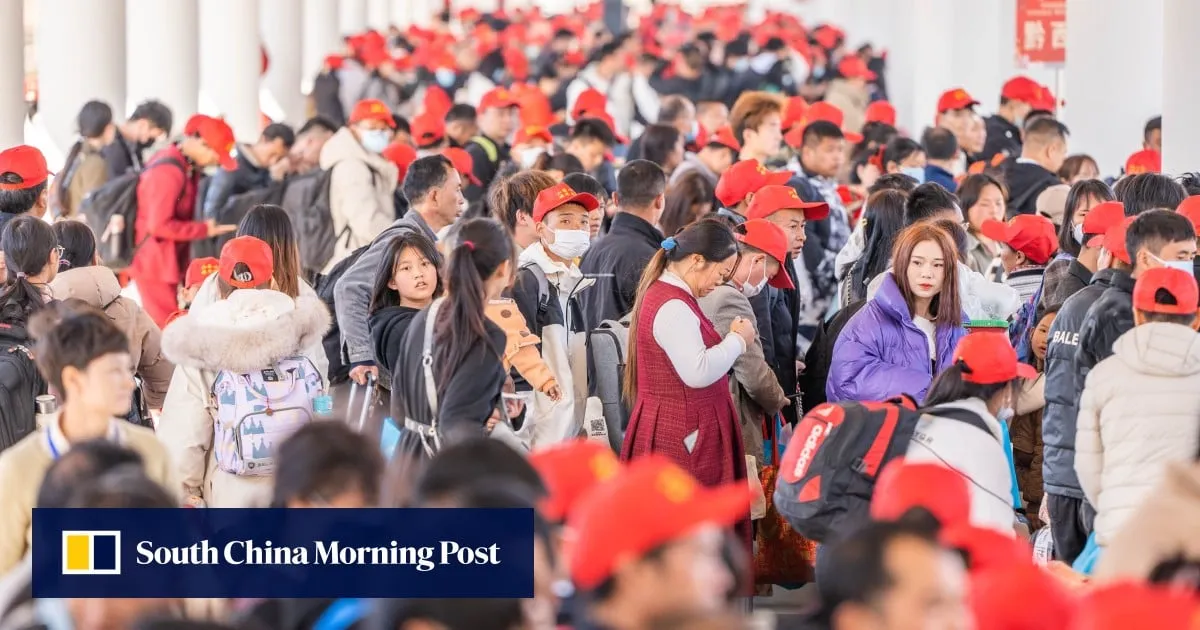
South China Morning PostFIG 01
Reading time
1min
Word count
145words
Sources cited
1cited
Entities identified
10entities
Quality score
100%
§ 01
Briefing Summary
AI-generatedNEWSAR · AI
China's State Council announced new measures on Friday to ease residency restrictions for social insurance applicants. This policy change allows workers to enroll in social insurance programs in their city of employment, irrespective of their official household registration (hukou). Previously, many employees were unable to access benefits like pensions and medical coverage due to differing jurisdictions. Analysts believe these changes are part of China's effort to create a unified national market by facilitating the movement of capital and talent. The reform is expected to promote urbanization, boost the real estate market, and potentially increase consumer spending power.
Confidence 0.85Sources 1Claims 4Entities 10
§ 02
Article analysis
Model · rule-basedFraming
Economic Impact
Political Strategy
Tone
Measured
AI-assessed
CalmNeutralAlarmist
Factuality
0.60 / 1.00
Mixed
LowHigh
Sources cited
1
Limited
FewMany
§ 03
Key claims
4 extracted01
Previously, many employees couldn't qualify for social insurance benefits due to their hukou being registered in another jurisdiction.
factual
Confidence
1.00
02
The new policy is part of China's push to create a unified national market by removing barriers to capital and talent flow.
factual
Confidence
1.00
03
China's State Council announced new measures allowing workers to enroll in social insurance in their cities of employment, regardless of hukou.
factual
Confidence
1.00
04
The nationwide change is predicted to have widespread effects, including promoting urbanization, the real estate market, establishing a national market, and releasing consumer spending power.
predictionPeng Peng
Confidence
0.80
§ 04
Full report
1 min read · 145 words§ 05
Entities
10 identifiedKey playerOppositionContextPositiveNeutralNegative
Locations1
§ 06
Keywords & salience
8 termssocial insurance
1.00
hukou
0.90
economic growth
0.80
unified national market
0.70
household registration
0.60
urbanisation
0.50
real estate market
0.40
consumer spending
0.40
§ 07
Topic connections
Interactive graph No topic relationship data available yet. This graph will appear once topic relationships have been computed.