US midterm voters overwhelmingly support Pepfar, an initiative to end HIV/Aids that also has strengthened health systems against other infectious disease threats but has come under fire from the Trump administration.About three in four (74%) of likely voters in the US midterm elections say they support funding the US President’s Emergency Plan for AIDS Relief (Pepfar), with voters more likely to back candidates who support Pepfar, according to a recent poll. Four in five (80%) of the voters said there is a moral argument for supporting lifesaving treatment for people at risk for or living with HIV/Aids, regardless of their personal choices.Among voters, “it’s going to be seen positively if Republicans or Democrats pursue Pepfar”, said Jennifer Kates, senior vice-president and director of the global and public health policy program at KFF, a health non-profit. These results align with other surveys showing the bipartisan popularity of the program, and a growing sense that the Trump administration is abdicating its international leadership even as outbreaks spiral out of control.First created by George W Bush in 2003, Pepfar has long enjoyed Republican leadership and bipartisan support. In recent months, Congress has repeatedly moved to preserve the program, but it is now essentially being replaced with individual agreements with countries that include but aren’t heavily focused on HIV prevention and treatment.According to a 5 May announcement, the State Department will keep nearly all of the funding intended for Pepfar, instead of splitting it with the US Centers for Disease Control and Prevention. The CDC would only receive 7% of the funds – $150m, instead of a potential $2bn.It mirrors the dissolution of the US Agency for International Development (USAID) and its absorption into the State Department last year, said Asia Russell, executive director of Health Gap, an HIV/Aids treatment advocacy organization: “USAID, that’s already gone, right? That’s like the East Wing of the White House cut off, essentially. Now they want to cut off the West Wing, too.”Domestically, the president’s proposed budget also included a $1.6bn cut to HIV funding – mainly on prevention work.The continued support for Pepfar, even against a backdrop of economic instability, shows “America’s compassion”, said Michael Vazquez, founder and managing partner of the Maiden Group, which conducted the polling. “There is a huge disconnect between some policymakers and the American public when you see that folks are as committed as ever to seeing Pepfar continue.”Economic issues are usually the driving force behind votes, Kates said. But positioning Pepfar as an economic issue – “you’re helping people, you’re doing good and you’re helping American business” – means “it garners more support”, she noted.“Voters do not want to feel that their vote and their tax dollars are being directed away from things that make them proud to be an American,” Vazquez said. “Defunding Pepfar or cutting other critical global health programs is not something that inspires or excites voters.”The poll results “definitely support that Americans have been supportive of the US playing a role internationally”, Kates said. “The idea that the US has helped people with HIV and people at risk for HIV in other countries has been seen as a morally important program and endeavor.”When respondents said they didn’t know what Pepfar was and received more information about it, support increased.“Americans believe really strongly in US global health leadership around the world,” Vazquez said.Yet Pepfar faces an increasingly uncertain future.“Last year was chaos. Now it’s just a completely transforming landscape,” Kates said. “All of these are ideas that have actually been out there in the development space for a while. It’s just that they are now being implemented after a period of incredible disruption, and maybe at a pace that’s going to raise risks.”The switch to agreements with individual countries has also raised questions about extractive agreements and the ability to track where taxpayer dollars are going. The dramatic cuts to foreign aid are already showing up in an explosive Ebola outbreak that went undetected for weeks after significant funding lapses from the US.Pepfar hasn’t just made astonishing progress on ending the HIV epidemic; it also built a platform for global pandemic detection and response, Russell said.“That lab capacity, human expertise, investment in surveillance – all of those components are part of that program that the State Department is attempting to dissolve,” she said. “What state is attempting to do is stab a dagger in the heart of it in the midst of an uncontrolled, large, deadly outbreak of Ebola.”Congress could create a law directing collaboration with the CDC in order to maintain some of this capacity, she said.The world has made progress on ending the HIV/Aids epidemic – but letting up the momentum now could set that progress back, Kates said. And once that happens, it will be harder to address an uptick in cases.“If there’s a surge in infections in particular places, that’s something that’s often not detected until it’s too late,” Kates added.
SRCThe Guardian - World News
LANGEN
LEANCenter-Left
WORDS817
ENT12
SUN · 2026-05-24 · 12:00 GMTBRIEF NSR-2026-0524-78842
NSR-2026-0524-78842News Report·EN·Public Health
US voters support HIV/Aids relief – will Trump’s cuts backfire in the midterms?
US midterm voters overwhelmingly support the President's Emergency Plan for AIDS Relief (Pepfar), with 74% backing its funding and 80% citing a moral imperative for lifesaving treatment. This bipartisan program, established in 2003, has also strengthened global health systems.
Melody SchreiberThe Guardian - World NewsFiled 2026-05-24 · 12:00 GMTLean · Center-LeftRead · 4 min
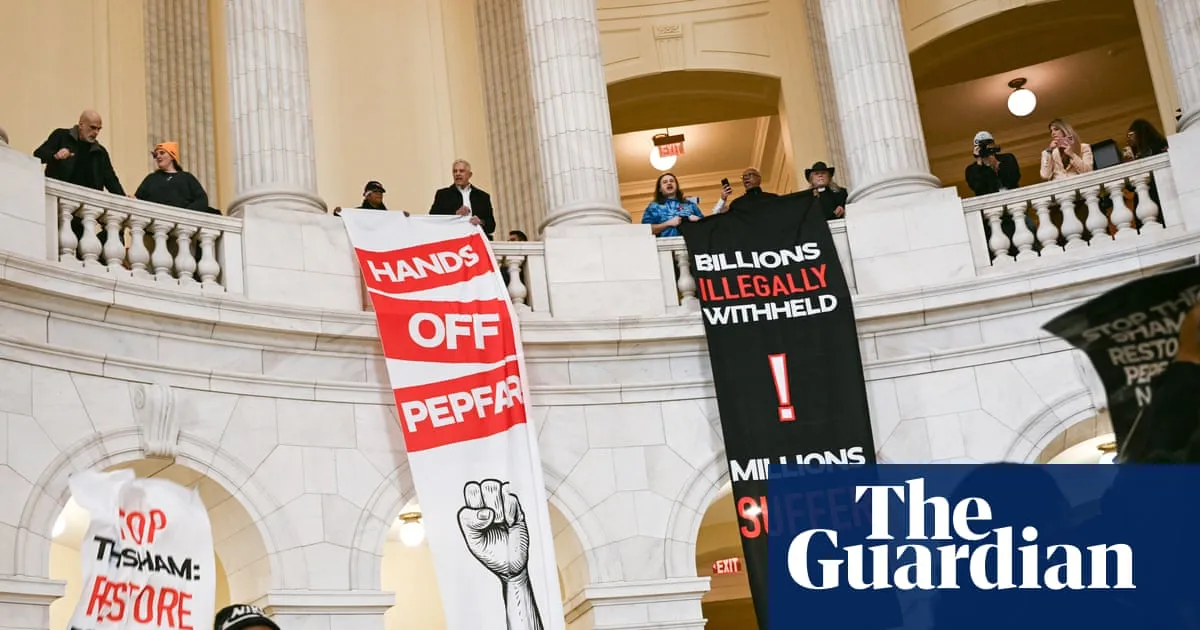
The Guardian - World NewsFIG 01
Reading time
4min
Word count
817words
Sources cited
3cited
Entities identified
12entities
Quality score
100%
§ 01
Briefing Summary
AI-generatedNEWSAR · AI
US midterm voters overwhelmingly support the President's Emergency Plan for AIDS Relief (Pepfar), with 74% backing its funding and 80% citing a moral imperative for lifesaving treatment. This bipartisan program, established in 2003, has also strengthened global health systems. However, the Trump administration has come under fire for proposed cuts and restructuring, shifting funding away from the CDC and USAID. This move is seen by advocates as undermining crucial HIV prevention, treatment, and pandemic detection capabilities, potentially jeopardizing progress against HIV/AIDS and other infectious diseases. Voters express pride in US global health leadership and support candidates who champion Pepfar.
Confidence 0.90Sources 3Claims 5Entities 12
§ 02
Article analysis
Model · rule-basedFraming
Public Health
Political Strategy
Tone
Mixed Tone
AI-assessed
CalmNeutralAlarmist
Factuality
0.70 / 1.00
Factual
LowHigh
Sources cited
3
Well sourced
FewMany
§ 03
Key claims
5 extracted01
The State Department will keep nearly all Pepfar funding, with the CDC receiving only 7% ($150m) instead of a potential $2bn.
factual
Confidence
0.90
02
80% of voters believe there is a moral argument for supporting lifesaving HIV/Aids treatment.
statisticKFF poll
Confidence
0.90
03
74% of likely US midterm voters support funding for Pepfar.
statisticKFF poll
Confidence
0.90
04
A proposed budget included a $1.6bn cut to domestic HIV funding, mainly on prevention work.
factual
Confidence
0.85
05
The Trump administration is changing Pepfar by replacing individual agreements with countries that are not heavily focused on HIV prevention and treatment.
factual
Confidence
0.85
§ 04
Full report
4 min read · 817 words§ 05
Entities
12 identifiedKey playerOppositionContextPositiveNeutralNegative
Organizations5
Locations1
§ 06
Keywords & salience
9 termspepfar
1.00
hiv/aids relief
1.00
us midterm elections
0.90
trump administration
0.80
public health
0.70
funding cuts
0.60
international leadership
0.50
bipartisan support
0.50
health systems
0.40
§ 07
Topic connections
Interactive graph No topic relationship data available yet. This graph will appear once topic relationships have been computed.