In the global shift towards carbon-neutral mobility, a striking role reversal is taking shape on the pavements of the world’s most populous cities. While geopolitical analysts focus on the high-altitude rhetoric of the Xi-Trump summit in Beijing, a more profound urban reality is unfolding at eye level.Broadcasting live from a teeming Beijing intersection, Fox News anchor Bret Baier recently captured this fascinating counter-narrative. Away from the grandeur of diplomacy, a small revolution is taking place: a surging ocean of electric bicycles and scooters that serve as the lifeblood of China’s capital.Yet, as Baier highlighted how artificial-intelligence-driven surveillance was catching traffic violations in real-time, a deeper systemic shift was under way. Beijing is executing a visible strategic recalibration, moving from the chaos of unbridled micro-mobility to a state-guided, market-responsive model. As of May 1, the city’s newly amended Non-Motorised Vehicle Management Regulations reflect a fundamental move towards pragmatism in urban governance. Notably, riders and passengers must wear certified helmets or face fines.
SRCSouth China Morning Post
LANGEN
LEANCenter-Right
WORDS161
ENT9
MON · 2026-05-25 · 01:30 GMTBRIEF NSR-2026-0525-78911
NSR-2026-0525-78911Analysis·EN·Technology
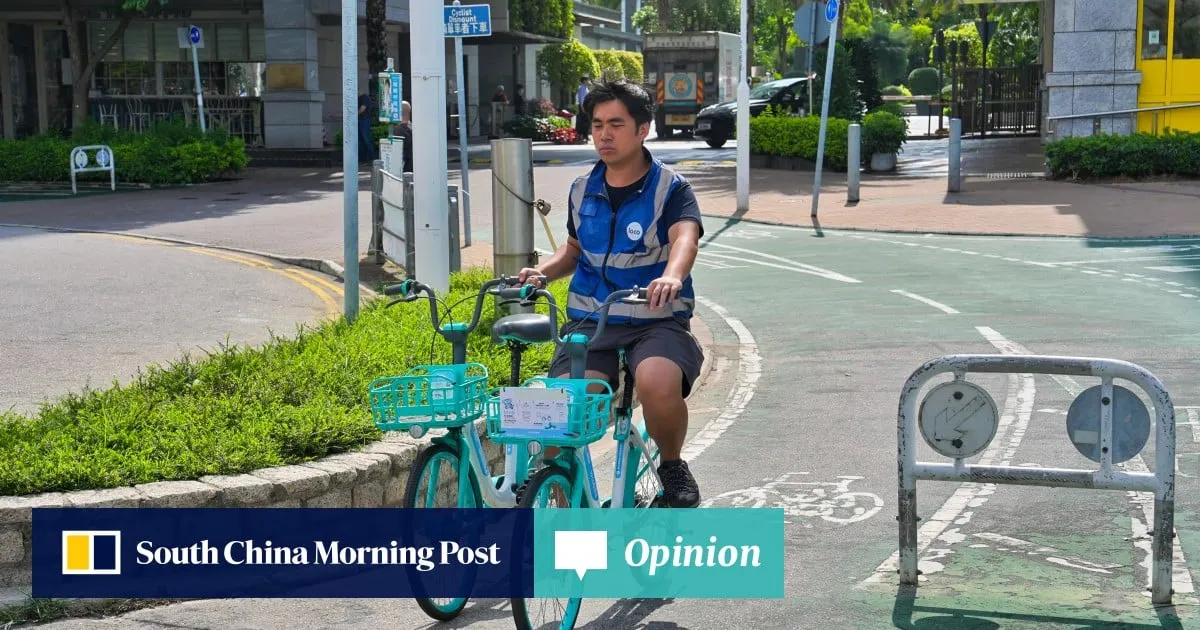
Hong Kong can empower commuters by embracing e-bikes
Beijing is implementing a strategic recalibration of its micro-mobility sector, moving from unbridled electric bicycle and scooter use to a state-guided, market-responsive model. This shift is reflected in newly amended Non-Motorised Vehicle Management Regulations, effective May 1st, which mandate helmet use for riders and passengers to avoid fines.
Ying Xu,Weishi ZhangSouth China Morning PostFiled 2026-05-25 · 01:30 GMTLean · Center-RightRead · 1 min
South China Morning PostFIG 01
Reading time
1min
Word count
161words
Sources cited
1cited
Entities identified
9entities
Quality score
100%
§ 01
Briefing Summary
AI-generatedNEWSAR · AI
Beijing is implementing a strategic recalibration of its micro-mobility sector, moving from unbridled electric bicycle and scooter use to a state-guided, market-responsive model. This shift is reflected in newly amended Non-Motorised Vehicle Management Regulations, effective May 1st, which mandate helmet use for riders and passengers to avoid fines. This pragmatic approach to urban governance aims to manage the surging popularity of e-bikes and scooters, which are vital to the city's transportation. The changes are occurring amidst a global trend towards carbon-neutral mobility, with artificial-intelligence-driven surveillance being used to enforce traffic violations in real-time.
Confidence 0.90Sources 1Claims 4Entities 9
§ 02
Article analysis
Model · rule-basedFraming
Technology
Political Strategy
Tone
Measured
AI-assessed
CalmNeutralAlarmist
Factuality
0.60 / 1.00
Mixed
LowHigh
Sources cited
1
Limited
FewMany
§ 03
Key claims
4 extracted01
Beijing's newly amended Non-Motorised Vehicle Management Regulations require riders and passengers to wear certified helmets or face fines.
factual
Confidence
1.00
02
A surging ocean of electric bicycles and scooters serves as the lifeblood of China's capital.
quoteFox News anchor Bret Baier
Confidence
0.90
03
Beijing is executing a visible strategic recalibration, moving from chaos to a state-guided, market-responsive model for micro-mobility.
factual
Confidence
0.80
04
Hong Kong can empower commuters by embracing e-bikes.
prediction
Confidence
0.70
§ 04
Full report
1 min read · 161 words§ 05
Entities
9 identifiedKey playerOppositionContextPositiveNeutralNegative
People3
Organizations1
§ 06
Keywords & salience
9 termse-bikes
1.00
carbon-neutral mobility
0.90
urban governance
0.80
micro-mobility
0.70
electric bicycles
0.70
artificial-intelligence
0.60
traffic violations
0.50
beijing
0.40
hong kong
0.40
§ 07
Topic connections
Interactive graph Network visualization showing 51 related topics
View Full Graph Person Organization Location Event|Click node to navigate|Edge numbers = shared articles