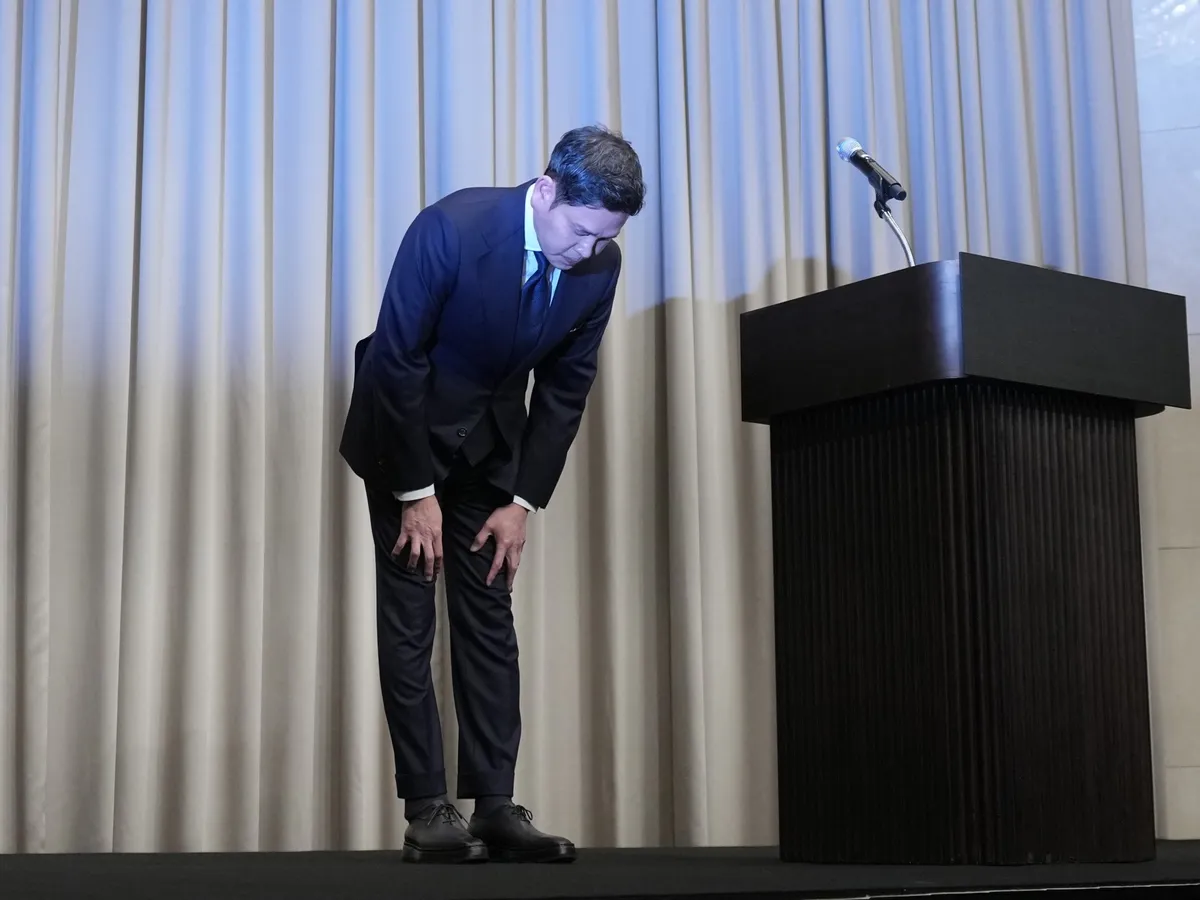
Coffee chain has seen ‘very significant’ drop in sales after campaign that evoked deadly crackdown, local operator says.Starbucks-korea" class="entity-link entity-organization" data-entity-id="129424" data-entity-type="organization">Starbucks Korea has suffered a “very significant” drop in sales after a marketing campaign that evoked a brutal 1980 military crackdown on pro-democracy protesters triggered a public outcry, according to the coffee chain’s local operator.Shinsegae Group, whose subsidiary E-Mart owns the coffee chain in South Korea, has faced mounting criticism over its so-called “Tank Day” campaign, launched on the anniversary of the May 18 Gwangju Uprising, when the military government deployed troops and tanks to suppress pro-democracy demonstrations.Recommended Stories list of 4 itemslist 1 of 4Hajj pilgrims arrive near Mecca ahead of Arafah Daylist 2 of 4How Nigeria’s economic strain is changing Eid spendinglist 3 of 4Istanbul’s Bilgi University reopened after police crackdownlist 4 of 4Netanyahu vows to ‘smite’ Hezbollah with ‘overwhelming’ forceend of listIn a news conference on Tuesday, Shinsegae Group chairman Chung Yong-jin made a public apology and asked people not to take out any anger on Starbucks-korea" class="entity-link entity-organization" data-entity-id="129424" data-entity-type="organization">Starbucks Korea employees and front-line staff.“I take it very seriously, the fact that many people felt deep pain and anger because of Starbucks-korea" class="entity-link entity-organization" data-entity-id="129424" data-entity-type="organization">Starbucks Korea’s inappropriate marketing campaign,” Chung said.“I will take all responsibility for the incident.”Chung also asked people not to take out their frustration on staff at Starbucks shops, saying the responsibility lies with management. There were no immediate reports of major incidents at stores.Chung issued his first apology on May 19, saying in a statement that the campaign caused “deep pain to the victims and bereaved families of the May 18 Democratization Movement as well as to the public”.Shinsegae fired the head of Starbucks-korea" class="entity-link entity-organization" data-entity-id="129424" data-entity-type="organization">Starbucks Korea last week after apologising over the campaign. Starbucks-global" class="entity-link entity-organization" data-entity-id="134054" data-entity-type="organization">Starbucks Global also apologised and said that an investigation had begun.A Shinsegae official said sales had fallen sharply since the marketing controversy.
SRCAl Jazeera
LANGEN
LEANCenter
WORDS302
ENT10
TUE · 2026-05-26 · 04:38 GMTBRIEF NSR-2026-0526-79191
NSR-2026-0526-79191News Report·EN·Social Justice
Starbucks’ Korean sales fall after backlash to ‘Tank Day’ ad campaign
Starbucks Korea has experienced a significant decline in sales following a marketing campaign that evoked a brutal 1980 military crackdown on pro-democracy protesters. The campaign, dubbed "Tank Day," was launched on the anniversary of the May 18 Gwangju Uprising, a period when tanks were used to suppress demonstrations.
By Reuters and The Associated PressAl JazeeraFiled 2026-05-26 · 04:38 GMTLean · CenterRead · 2 min
Al JazeeraFIG 01
Reading time
2min
Word count
302words
Sources cited
3cited
Entities identified
10entities
Quality score
100%
§ 01
Briefing Summary
AI-generatedNEWSAR · AI
Starbucks Korea has experienced a significant decline in sales following a marketing campaign that evoked a brutal 1980 military crackdown on pro-democracy protesters. The campaign, dubbed "Tank Day," was launched on the anniversary of the May 18 Gwangju Uprising, a period when tanks were used to suppress demonstrations. Shinsegae Group, the local operator of Starbucks, has faced public criticism for the campaign. Shinsegae Group chairman Chung Yong-jin issued a public apology, taking full responsibility and asking that anger not be directed at Starbucks employees. The head of Starbucks Korea was fired last week, and Starbucks Global also apologized and launched an investigation. A Shinsegae official confirmed the sharp drop in sales since the controversy began.
Confidence 0.90Sources 3Claims 4Entities 10
§ 02
Article analysis
Model · rule-basedFraming
Social Justice
Economic Impact
Tone
Measured
AI-assessed
CalmNeutralAlarmist
Factuality
0.80 / 1.00
Factual
LowHigh
Sources cited
3
Well sourced
FewMany
§ 03
Key claims
4 extracted01
Shinsegae Group chairman Chung Yong-jin made a public apology for the 'inappropriate marketing campaign' and took responsibility.
quoteChung Yong-jin
Confidence
1.00
02
The 'Tank Day' campaign was launched on the anniversary of the May 18 Gwangju Uprising, which involved a military crackdown on pro-democracy protesters.
factualarticle
Confidence
1.00
03
Shinsegae fired the head of Starbucks Korea and Starbucks Global also apologized.
factualarticle
Confidence
0.95
04
Starbucks Korea has seen a 'very significant' drop in sales after a marketing campaign evoked a brutal 1980 military crackdown.
factuallocal operator (Shinsegae Group)
Confidence
0.90
§ 04
Full report
2 min read · 302 words§ 05
Entities
10 identifiedKey playerOppositionContextPositiveNeutralNegative
Organizations6
Locations1
§ 06
Keywords & salience
10 termssales drop
1.00
backlash
1.00
marketing campaign
0.90
public outcry
0.90
pro-democracy protesters
0.80
military crackdown
0.80
shinsegae group
0.70
starbucks korea
0.70
gwangju uprising
0.60
apology
0.50
§ 07
Topic connections
Interactive graph No topic relationship data available yet. This graph will appear once topic relationships have been computed.