Nearly one in five girls in the UK receive persistent, unwanted images online, according to a poll by the charity Barnardo’s, which warned that online misogyny was becoming an everyday part of childhood.Its survey of 4,000 young people found that a quarter of girls had been called degrading names online, while one in seven 13- to 15-year-olds had been asked to send a nude photo.Lynn Perry, the chief executive of Barnardo’s, said the survey showed that online abuse and harassment were becoming “part of the background noise of growing up”.“These findings show how constant, corrosive and deeply embedded it is in the lives of young people today both on and offline,” she said. “Young people are telling us that the result can be harmful on all sides, from humiliation and sexualised abuse to feelings of shame and isolation.”The results from thousands of 13- to 20-year-olds showed that a quarter of girls said they had been called degrading names online, while more than half of boys said they were expected to “act tough and not show emotion”.A quarter of all those surveyed said they had seen a nude photo that had originally been sent privately and then shared, while a third said they had been asked to send a nude photo, including 36% of girls.Nearly one in five girls (18%) also reported receiving repeated messages after asking the sender to stop or ignoring them, while 41% of boys agreed that if a girl posted photos online, she should expect comments about how she looked.The survey also revealed how boys felt unable to call out their peers, with more than one in five (21%) saying their friends would not back them if they challenged sexist comments.The majority (57%) of boys said people would think they were “boring” if they did not join in with the group’s “banter”.Lauren Spiers, a children’s services manager for Barnardo’s Northern Ireland, said the charity was hearing stories of girls being repeatedly verbally abused in PE, and facing daily intimidation at school.“We’re hearing about girls being followed and harassed in public, then feeling too unsafe to travel alone, and others avoiding parts of buses due to sexualised comments. Online, these attitudes are reinforced and amplified,” she said.A third of Barnardo’s frontline practitioners said they were seeing more children affected by misogynistic content online, and an increase in child-on-child sexual abuse or children displaying problematic sexual behaviour, compared with last year.The charity is asking the government to upgrade Ofcom’s violence against women and girls guidance to a mandatory code of practice for tech companies.The guidance includes forcing platforms to explicitly assess how their design choices affect the safety of women and girls, and getting tech companies to publicly report how they handle user reports of misogyny and harassment.A government consultation on an age limit for social media platforms closed on Tuesday, and ministers are expected to make a final decision on the policy within weeks.
SRCThe Guardian - World News
LANGEN
LEANCenter-Left
WORDS486
ENT11
WED · 2026-05-27 · 06:00 GMTBRIEF NSR-2026-0527-79512
NSR-2026-0527-79512News Report·EN·Social Justice
Nearly in one in five UK girls receive unwanted images online, poll finds
A poll by the charity Barnardo's of 4,000 young people in the UK found that nearly one in five girls receive persistent, unwanted images online. The survey also revealed that a quarter of girls have been called degrading names online, and one in seven 13- to 15-year-olds have been asked to send nude photos.
Jessica Murray Social affairs correspondentThe Guardian - World NewsFiled 2026-05-27 · 06:00 GMTLean · Center-LeftRead · 2 min
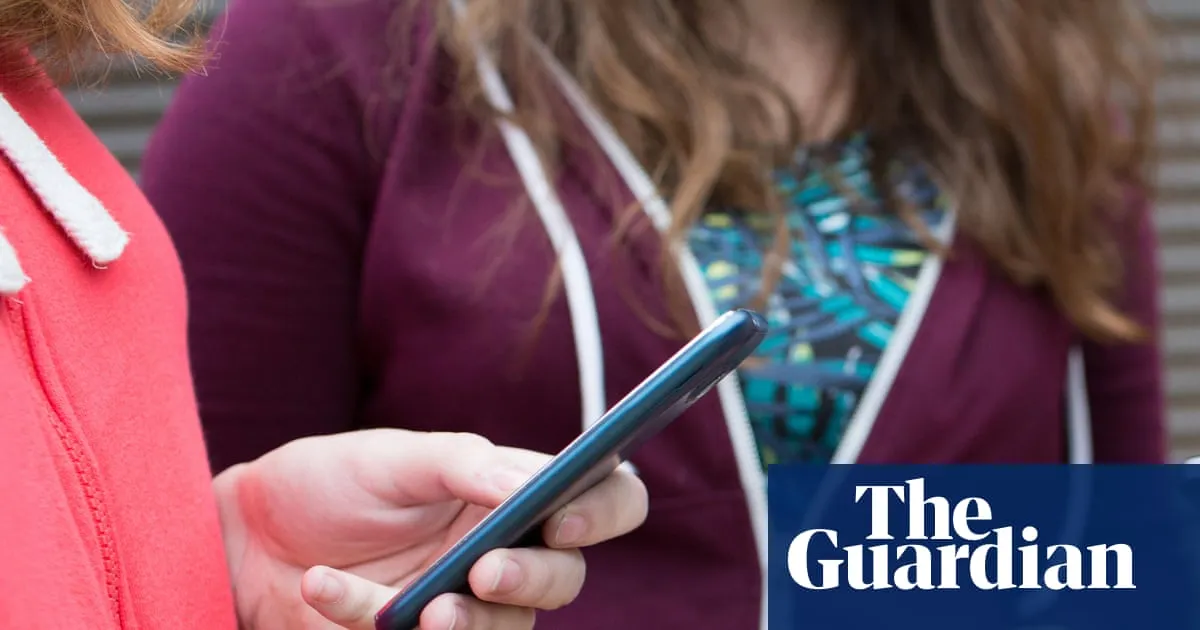
The Guardian - World NewsFIG 01
Reading time
2min
Word count
486words
Sources cited
3cited
Entities identified
11entities
Quality score
100%
§ 01
Briefing Summary
AI-generatedNEWSAR · AI
A poll by the charity Barnardo's of 4,000 young people in the UK found that nearly one in five girls receive persistent, unwanted images online. The survey also revealed that a quarter of girls have been called degrading names online, and one in seven 13- to 15-year-olds have been asked to send nude photos. Barnardo's warns that online misogyny is becoming a common experience for children, leading to humiliation, shame, and isolation. The charity is urging the government to make Ofcom's guidance for tech companies on violence against women and girls a mandatory code of practice.
Confidence 0.90Sources 3Claims 5Entities 11
§ 02
Article analysis
Model · rule-basedFraming
Social Justice
Human Interest
Tone
Mixed Tone
AI-assessed
CalmNeutralAlarmist
Factuality
0.80 / 1.00
Factual
LowHigh
Sources cited
3
Well sourced
FewMany
§ 03
Key claims
5 extracted01
Online abuse and harassment are becoming part of the background noise of growing up.
quoteLynn Perry (Barnardo's)
Confidence
0.90
02
One in seven 13- to 15-year-olds had been asked to send a nude photo.
statisticBarnardo's
Confidence
0.90
03
A quarter of girls surveyed had been called degrading names online.
statisticBarnardo's
Confidence
0.90
04
Nearly one in five UK girls receive persistent, unwanted images online, according to a poll by Barnardo’s.
statisticBarnardo's
Confidence
0.90
05
A third of Barnardo’s frontline practitioners are seeing more children affected by misogynistic content online.
statisticBarnardo's
Confidence
0.80
§ 04
Full report
2 min read · 486 words§ 05
Entities
11 identifiedKey playerOppositionContextPositiveNeutralNegative
Locations1
§ 06
Keywords & salience
10 termsonline harassment
1.00
unwanted images
0.90
online misogyny
0.90
childhood
0.80
online abuse
0.80
sexualised abuse
0.70
barnardo's
0.60
young people
0.50
gender stereotypes
0.40
online safety
0.40
§ 07
Topic connections
Interactive graph No topic relationship data available yet. This graph will appear once topic relationships have been computed.