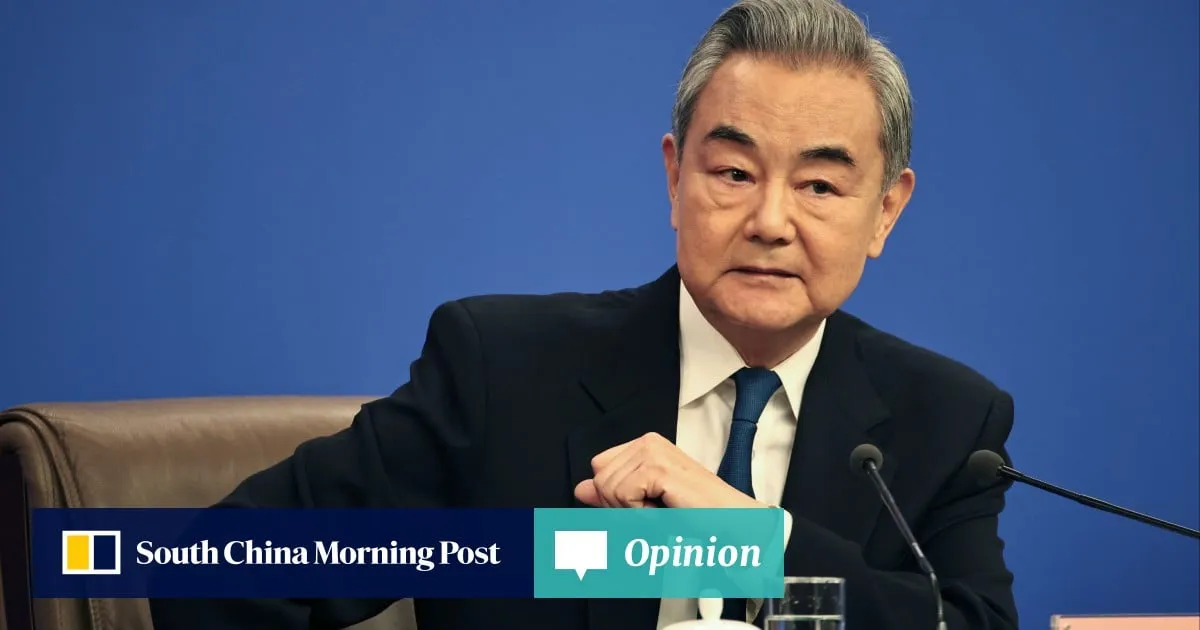
Manuel Galileo is an associate tutor at the London School of Economics and Political Science, a research fellow at SOAS University of London, and a chartered civil engineer.Beijing hosted the presidents of the United States and Russia within days of each other recently. China’s rising diplomatic standing is no accident. It is grounded in a tradition of relational diplomacy stretching back centuries and reflected in the growing recognition across capitals that Beijing is a reliable partner.The clearest articulation of China’s foreign policy ethos comes from academic Qin Yaqing, a former president of China-foreign-affairs-university" class="entity-link entity-organization" data-entity-id="135191" data-entity-type="organization">China Foreign Affairs University, which has trained more than 600 Chinese ambassadors, the alma mater of Foreign Minister Wang Yi often called the “cradle of Chinese diplomacy”.Qin’s relational theory of world politics organises Chinese foreign policy around the notion of guanxi, a web of relations rooted in Confucian thought and woven through everyday Chinese social life.
SRCSouth China Morning Post
LANGEN
LEANCenter-Right
WORDS148
ENT12
WED · 2026-05-27 · 12:30 GMTBRIEF NSR-2026-0527-79643
NSR-2026-0527-79643Analysis·EN·Diplomatic
China’s weaving of a web of ties makes it a diplomatic superpower
China's growing diplomatic influence is attributed to its long-standing tradition of relational diplomacy, exemplified by recent high-profile meetings with the US and Russian presidents. This approach is rooted in the concept of "guanxi," a web of relationships influenced by Confucian thought, as articulated by academic Qin Yaqing.
Manuel GalileoSouth China Morning PostFiled 2026-05-27 · 12:30 GMTLean · Center-RightRead · 1 min
South China Morning PostFIG 01
Reading time
1min
Word count
148words
Sources cited
2cited
Entities identified
12entities
Quality score
100%
§ 01
Briefing Summary
AI-generatedNEWSAR · AI
China's growing diplomatic influence is attributed to its long-standing tradition of relational diplomacy, exemplified by recent high-profile meetings with the US and Russian presidents. This approach is rooted in the concept of "guanxi," a web of relationships influenced by Confucian thought, as articulated by academic Qin Yaqing. This relational ethos positions Beijing as a recognized reliable partner in international relations. The article highlights China Foreign Affairs University, a key institution in training Chinese diplomats, as central to this foreign policy tradition.
Confidence 0.85Sources 2Claims 4Entities 12
§ 02
Article analysis
Model · rule-basedFraming
Diplomatic
Political Strategy
Tone
Measured
AI-assessed
CalmNeutralAlarmist
Factuality
0.40 / 1.00
Mixed
LowHigh
Sources cited
2
Limited
FewMany
§ 03
Key claims
4 extracted01
Beijing recently hosted the presidents of the United States and Russia.
factual
Confidence
1.00
02
Guanxi is a web of relations rooted in Confucian thought and woven through everyday Chinese social life.
factual
Confidence
0.90
03
Qin Yaqing's relational theory of world politics organizes Chinese foreign policy around the notion of guanxi.
factualQin Yaqing
Confidence
0.90
04
China's rising diplomatic standing is a result of its tradition of relational diplomacy and recognition as a reliable partner.
factual
Confidence
0.80
§ 04
Full report
1 min read · 148 words§ 05
Entities
12 identifiedKey playerOppositionContextPositiveNeutralNegative
Organizations3
Locations4
§ 06
Keywords & salience
8 termsdiplomatic superpower
1.00
relational diplomacy
0.90
guanxi
0.80
china foreign policy
0.70
confucian thought
0.60
diplomatic standing
0.50
reliable partner
0.40
world politics
0.40
§ 07
Topic connections
Interactive graph Network visualization showing 51 related topics
View Full Graph Person Organization Location Event|Click node to navigate|Edge numbers = shared articles