Ghana said the Pope's acknowledgment of the "painful history" was significant, at a time the world was having a "deeper reflection" on the effects of slavery and colonialism.The country successfully pushed for a UN resolution in March, which recognised the enslavement of Africans as the "gravest crime against humanity".Submitted by Ghana's President John Mahama and backed by the African Union, it aims to provide a pathway to healing and the payment of reparations.It also seeks to address the enduring consequences of slavery like inequality and racial discrimination.Ghana, which still has some of the forts that were used for holding captives under inhuman conditions as they waited to be shipped to the Americas by European powers, is due to host a conference in June to discuss the next steps following the adoption of the UN resolution.On Tuesday, Human Rights Watch said the Pope's apology marked an important step, but stressed apologies alone were not enough and that real reparative justice needed to go further.Religious institutions, along with states and corporations that benefited from slavery, should "reckon seriously" with their histories and take part in reparative efforts, the rights group added.
SRCBBC News - World
LANGEN
LEANCenter
WORDS189
ENT12
WED · 2026-05-27 · 13:17 GMTBRIEF NSR-2026-0527-79647
NSR-2026-0527-79647News Report·EN·Human Rights
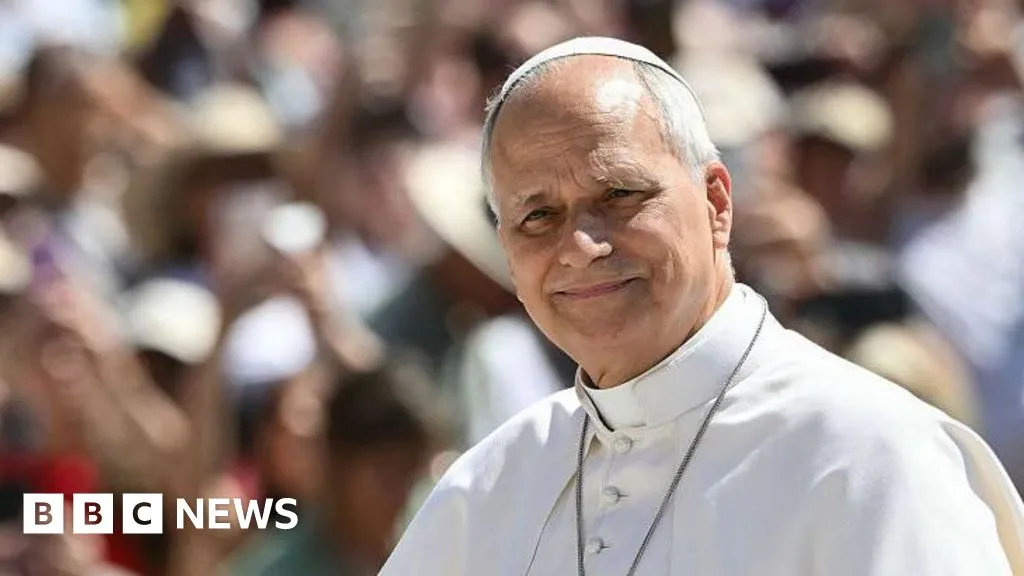
Ghana welcomes Pope's apology over Catholic Church's role in slavery
Ghana has welcomed Pope Francis's acknowledgment of the Catholic Church's role in slavery, calling it significant amidst global reflection on the impacts of slavery and colonialism. Ghana, a historical hub of the transatlantic slave trade, previously led a successful UN resolution recognizing African enslavement as a grave crime against humanity, aiming for healing and reparations.
BBC News - WorldFiled 2026-05-27 · 13:17 GMTLean · CenterRead · 1 min
BBC News - WorldFIG 01
Reading time
1min
Word count
189words
Sources cited
2cited
Entities identified
12entities
Quality score
100%
§ 01
Briefing Summary
AI-generatedNEWSAR · AI
Ghana has welcomed Pope Francis's acknowledgment of the Catholic Church's role in slavery, calling it significant amidst global reflection on the impacts of slavery and colonialism. Ghana, a historical hub of the transatlantic slave trade, previously led a successful UN resolution recognizing African enslavement as a grave crime against humanity, aiming for healing and reparations. The country plans to host a conference to discuss further steps following this resolution. While acknowledging the Pope's apology as an important step, Human Rights Watch emphasized that apologies alone are insufficient, urging religious institutions, states, and corporations that profited from slavery to engage in reparative justice efforts.
Confidence 0.90Sources 2Claims 5Entities 12
§ 02
Article analysis
Model · rule-basedFraming
Human Rights
Diplomatic
Tone
Measured
AI-assessed
CalmNeutralAlarmist
Factuality
0.80 / 1.00
Factual
LowHigh
Sources cited
2
Limited
FewMany
§ 03
Key claims
5 extracted01
Religious institutions, states, and corporations benefiting from slavery should seriously reckon with their histories and participate in reparative efforts.
quoteHuman Rights Watch
Confidence
1.00
02
Human Rights Watch stated that while the Pope's apology is important, apologies alone are insufficient and reparative justice must go further.
quoteHuman Rights Watch
Confidence
1.00
03
The UN resolution aims to provide a pathway to healing, reparations, and address enduring consequences like inequality and racial discrimination.
factualGhana
Confidence
1.00
04
Ghana successfully pushed for a UN resolution in March recognizing the enslavement of Africans as the 'gravest crime against humanity'.
factualGhana
Confidence
1.00
05
Ghana views the Pope's acknowledgment of the 'painful history' as significant amid global reflection on slavery and colonialism.
quoteGhana
Confidence
1.00
§ 04
Full report
1 min read · 189 words§ 05
Entities
12 identifiedKey playerOppositionContextPositiveNeutralNegative
Organizations6
§ 06
Keywords & salience
9 termsslavery
1.00
pope's apology
0.90
reparations
0.80
ghana
0.70
racial discrimination
0.60
colonialism
0.60
catholic church
0.50
un resolution
0.50
reparative justice
0.40
§ 07
Topic connections
Interactive graph Network visualization showing 51 related topics
View Full Graph Person Organization Location Event|Click node to navigate|Edge numbers = shared articles