Scientists in China are growing towering hybrids of wheat and rye – taller even than some humans – in the deserts of its western Xinjiang region.The hybrids, known as triticale, can adapt more easily than wheat to challenging conditions and, in addition to providing food for humans, their stalks and leaves can be used for animal feed.“It is tolerant of poor soil, cold, drought, salinity, and wind and sand,” Kuang Feiting, the executive director of Xinjiang-maishengdao-biotechnology" class="entity-link entity-organization" data-entity-id="136316" data-entity-type="organization">Xinjiang Maishengdao Biotechnology, the firm playing a leading role in the project, told China-news-service" class="entity-link entity-organization" data-entity-id="34945" data-entity-type="organization">China News Service earlier this month.
SRCSouth China Morning Post
LANGEN
LEANCenter-Right
WORDS94
ENT7
FRI · 2026-05-29 · 04:00 GMTBRIEF NSR-2026-0529-80090
NSR-2026-0529-80090News Report·EN·Technology
China is growing giant wheat-rye hybrids in its western deserts. Here’s why
Scientists in China are cultivating wheat-rye hybrids, called triticale, in the western Xinjiang region's deserts. These hybrids are notably tall and possess a high tolerance for difficult environmental conditions, including poor soil, cold temperatures, drought, salinity, and wind and sand.
Victoria BelaSouth China Morning PostFiled 2026-05-29 · 04:00 GMTLean · Center-RightRead · 1 min
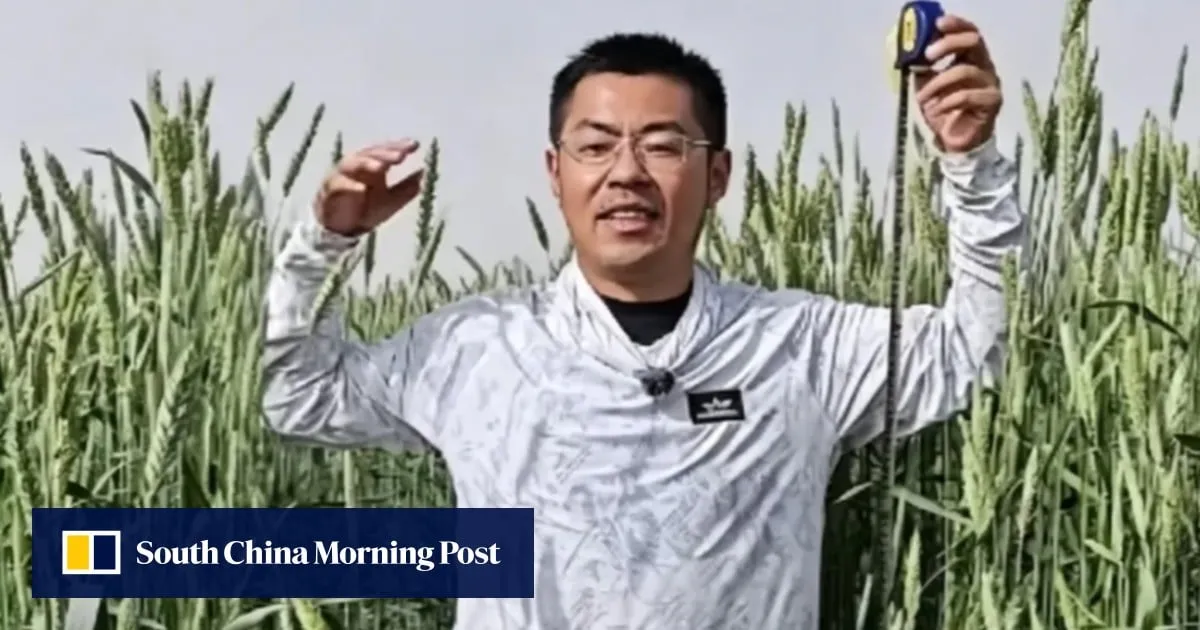
South China Morning PostFIG 01
Reading time
1min
Word count
94words
Sources cited
1cited
Entities identified
7entities
Quality score
100%
§ 01
Briefing Summary
AI-generatedNEWSAR · AI
Scientists in China are cultivating wheat-rye hybrids, called triticale, in the western Xinjiang region's deserts. These hybrids are notably tall and possess a high tolerance for difficult environmental conditions, including poor soil, cold temperatures, drought, salinity, and wind and sand. This adaptability makes them a valuable crop for challenging terrains. Beyond human consumption, the stalks and leaves of triticale can be utilized as animal feed. Xinjiang Maishengdao Biotechnology is a leading firm involved in this project, highlighting the crop's resilience and dual-purpose benefits for food and fodder in arid regions.
Confidence 0.85Sources 1Claims 4Entities 7
§ 02
Article analysis
Model · rule-basedFraming
Technology
Environmental
Tone
Measured
AI-assessed
CalmNeutralAlarmist
Factuality
0.80 / 1.00
Factual
LowHigh
Sources cited
1
Limited
FewMany
§ 03
Key claims
4 extracted01
Triticale is tolerant of poor soil, cold, drought, salinity, and wind and sand.
quoteKuang Feiting
Confidence
1.00
02
Triticale stalks and leaves can be used for animal feed.
factual
Confidence
1.00
03
Triticale hybrids can adapt more easily than wheat to challenging conditions.
factual
Confidence
1.00
04
Scientists in China are growing hybrids of wheat and rye, known as triticale, in the deserts of Xinjiang.
factual
Confidence
1.00
§ 04
Full report
1 min read · 94 words§ 05
Entities
7 identifiedKey playerOppositionContextPositiveNeutralNegative
Organizations2
§ 06
Keywords & salience
9 termstriticale
1.00
wheat-rye hybrids
1.00
xinjiang region
0.90
desert agriculture
0.80
crop adaptation
0.70
challenging conditions
0.60
animal feed
0.50
food production
0.50
xinjiang maishengdao biotechnology
0.40
§ 07
Topic connections
Interactive graph Network visualization showing 51 related topics
View Full Graph Person Organization Location Event|Click node to navigate|Edge numbers = shared articles