Bramley apples are a staple in supermarkets across the UK and it all started in a house in Nottinghamshire. But now the future of the original fruit-bearing tree is in question after the garden where it stands has been sold by Nottingham Trent University (NTU).The news has left campaigners aiming to turn it into a heritage site “gobsmacked”.The tree, which is more than 200 years old, was the very first Bramley from which millions of saplings have been grown worldwide. It was sown by Mary Ann Brailsford in the garden of her parents’ home in Church Street, Southwell, Nottinghamshire, between 1809 and 1815.Artist Dan Llywelyn Hall, who unveiled paintings of the tree in 2024, co-founded a campaign to buy the cottage from Nottingham Trent University (NTU) and keep public access to the tree by making it a heritage site for tourists and an educational facility.On Friday, Llywelyn Hall was informed by the university that the garden in which the “Mother Bramley” resides had been bought privately by the owners of a neighbouring cottage.The campaigners had raised £14,000 from more than 320 donations around the world.Llywelyn Hall said: “It is a very sad day for our ancient heritage trees. It has been failed by all the institutions and now Nottingham Trent University, ironically a uni of environment and agriculture, have done this. We are all gobsmacked.”In an email to The Guardian, he added that the “careless sale that will reduce the tree to a quaint back garden curiosity” and said: “NTU has acted irresponsibly and washed their hands of a tree that ultimately outlived their death sentence over 10 years ago.“I had hoped we would see a dignified last chapter for the Mother Bramley. We all failed it,” he said.The university said it was supporting the new custodians of the ancient tree with advice on how to care for it.An NTU spokesperson said: “We are delighted that custodianship of the tree has passed to the owners of the neighbouring property, Bramley Tree Cottage.“Joshua and Alicia Wheatley approached NTU to express their interest in purchasing the garden containing the tree and their commitment to continuing to care for and celebrate the tree and its heritage.“The university is now supporting the new custodians with advice on how to care for the Bramley, which has outlived its natural lifespan by quite some time.“NTU has also undertaken steps for the transfer of the garden to contain specific obligations to ensure the continued maintenance, preservation and care of the Bramley, as well as continued public access for events.“The university-owned cottage, previously used for student accommodation, remains listed for sale.”Almost 50 years after Brailsford planted the tree in the cottage’s garden, a 17-year-old boy named Henry Merryweather came across a gardener carrying some of the apples and asked where they had been grown.By this time, the garden containing the apple tree belonged to a butcher called Matthew Bramley, who gave the teenager permission to take cuttings of the “Bramley Seedling”, before the fruits became a cooking staple.The Bramley apple has become one of Britain’s most popular cooking apples, with more than 300 Bramley growers in England and about 83,000 tonnes grown annually in the UK.
SRCThe Guardian - World News
LANGEN
LEANCenter-Left
WORDS528
ENT10
SAT · 2026-05-30 · 13:15 GMTBRIEF NSR-2026-0530-80426
NSR-2026-0530-80426News Report·EN·Human Interest
Future of first Bramley apple tree in doubt as cottage where it stands is sold
The future of the original Bramley apple tree, planted in Southwell, Nottinghamshire between 1809 and 1815, is uncertain after Nottingham Trent University (NTU) sold the garden where it stands. Campaigners, who had raised £14,000 to purchase the property and establish it as a heritage site with public access, were reportedly "gobsmacked" by the sale to the owners of a neighboring cottage.
Sammy GecsoylerThe Guardian - World NewsFiled 2026-05-30 · 13:15 GMTLean · Center-LeftRead · 3 min
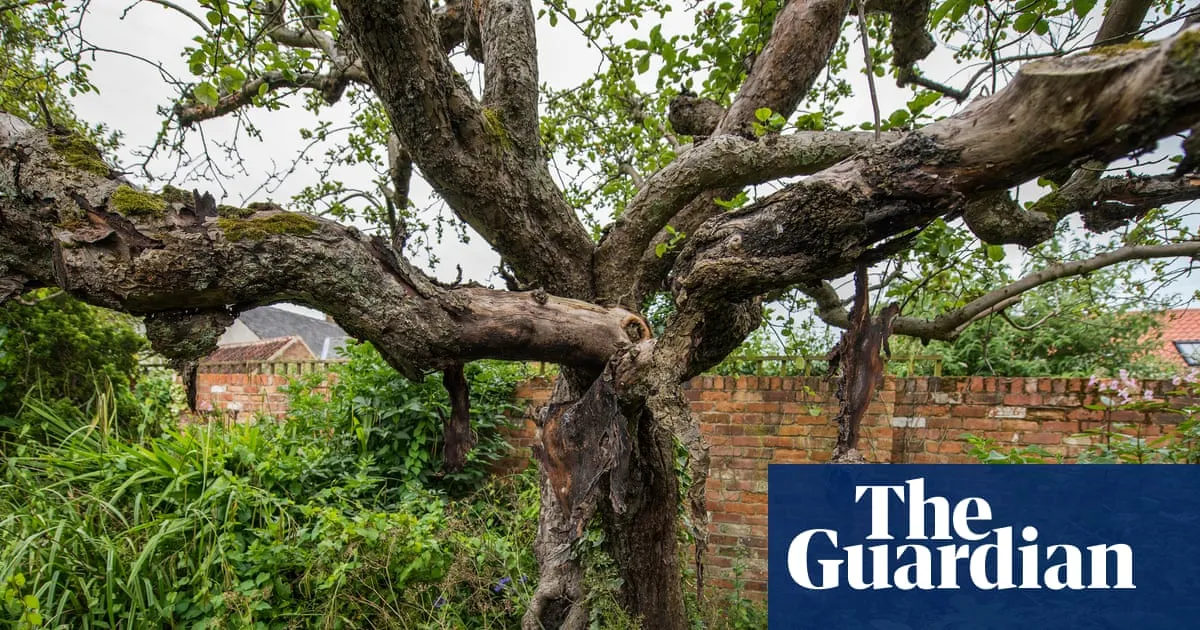
The Guardian - World NewsFIG 01
Reading time
3min
Word count
528words
Sources cited
2cited
Entities identified
10entities
Quality score
100%
§ 01
Briefing Summary
AI-generatedNEWSAR · AI
The future of the original Bramley apple tree, planted in Southwell, Nottinghamshire between 1809 and 1815, is uncertain after Nottingham Trent University (NTU) sold the garden where it stands. Campaigners, who had raised £14,000 to purchase the property and establish it as a heritage site with public access, were reportedly "gobsmacked" by the sale to the owners of a neighboring cottage. NTU stated they are supporting the new custodians, Joshua and Alicia Wheatley, with advice on caring for the tree, which has outlived its natural lifespan. The university also indicated that obligations for the tree's continued maintenance, preservation, and public access for events have been included in the transfer.
Confidence 0.90Sources 2Claims 5Entities 10
§ 02
Article analysis
Model · rule-basedFraming
Human Interest
Environmental
Tone
Mixed Tone
AI-assessed
CalmNeutralAlarmist
Factuality
0.60 / 1.00
Mixed
LowHigh
Sources cited
2
Limited
FewMany
§ 03
Key claims
5 extracted01
NTU has acted irresponsibly and washed their hands of a tree that ultimately outlived their death sentence over 10 years ago.
quoteDan Llywelyn Hall
Confidence
1.00
02
Campaigners had raised £14,000 from more than 320 donations around the world.
statistic
Confidence
1.00
03
Artist Dan Llywelyn Hall co-founded a campaign to buy the cottage from Nottingham Trent University (NTU) and keep public access to the tree.
factual
Confidence
1.00
04
The tree, which is more than 200 years old, was the very first Bramley from which millions of saplings have been grown worldwide.
factual
Confidence
1.00
05
The future of the first Bramley apple tree is in doubt after the garden where it stands has been sold by Nottingham Trent University (NTU).
factual
Confidence
1.00
§ 04
Full report
3 min read · 528 words§ 05
Entities
10 identifiedKey playerOppositionContextPositiveNeutralNegative
People4
Locations3
§ 06
Keywords & salience
8 termsbramley apple tree
1.00
heritage site
0.90
nottingham trent university
0.80
conservation efforts
0.70
ancient trees
0.60
private sale
0.50
public access
0.40
educational facility
0.40
§ 07
Topic connections
Interactive graph Network visualization showing 2 related topics
View Full Graph Person Organization Location Event|Click node to navigate|Edge numbers = shared articles