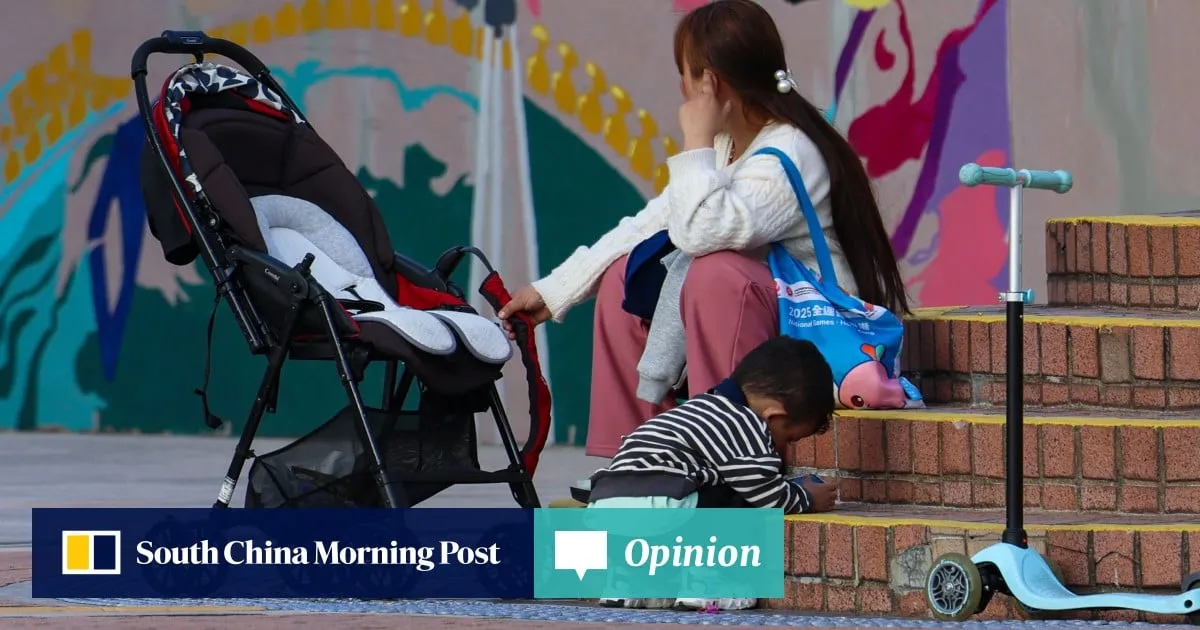
Across East Asia, societies are becoming richer, healthier and more educated, yet fewer people feel able or willing to have families and raise children. low fertility plagues high-income societies, particularly in East Asia, where the total fertility rate (TFR) has fallen below one birth per woman, well under the replacement level of 2.1 births. While many countries have dedicated considerable resources and effort to reversing this trend, the results have been somewhat disappointing.The pairing of “low fertility” and “human development” is central to the discussion. Fertility trends are not merely demographic outcomes; they reflect how people experience work, relationships, caregiving, inequality, security and hope for the future. Child-rearing has slipped down the priority list for young couples, with the heavy burden of responsibility cited alongside financial strain as a major barrier.Few current demographic trends are as consequential as persistently low fertility. In East Asia, including Singapore, fertility rates in some countries hover near or below one child per woman, raising grave concerns about future population and socioeconomic sustainability. Hong Kong witnessed a historic low of 31,100 births in 2025, with a TFR of 0.73, one of the lowest among all economies in the region.
SRCSouth China Morning Post
LANGEN
LEANCenter-Right
WORDS194
ENT9
SUN · 2026-05-31 · 01:30 GMTBRIEF NSR-2026-0531-80513
NSR-2026-0531-80513Analysis·EN·Economic Impact
East Asia’s population challenge isn’t just about raising birth rates
East Asian societies are experiencing a significant demographic challenge characterized by low fertility rates, with total fertility rates (TFRs) falling below one birth per woman. This trend is occurring despite improvements in wealth, health, and education across the region.
Wei-Jun Jean Yeung,Paul YipSouth China Morning PostFiled 2026-05-31 · 01:30 GMTLean · Center-RightRead · 1 min
South China Morning PostFIG 01
Reading time
1min
Word count
194words
Sources cited
0cited
Entities identified
9entities
Quality score
100%
§ 01
Briefing Summary
AI-generatedNEWSAR · AI
East Asian societies are experiencing a significant demographic challenge characterized by low fertility rates, with total fertility rates (TFRs) falling below one birth per woman. This trend is occurring despite improvements in wealth, health, and education across the region. Countries like Hong Kong have recorded historic lows in births and TFRs. The article explains that persistently low fertility is not solely a demographic issue but reflects how individuals perceive work, relationships, caregiving, inequality, security, and future prospects. Financial strain and the heavy burden of responsibility are identified as major barriers to child-rearing, causing it to slip down the priority list for young couples. Efforts by governments to reverse this trend have yielded disappointing results, raising concerns about future socioeconomic sustainability.
Confidence 0.90Claims 4Entities 9
§ 02
Article analysis
Model · rule-basedFraming
Economic Impact
Social Justice
Tone
Measured
AI-assessed
CalmNeutralAlarmist
Factuality
0.70 / 1.00
Factual
LowHigh
Sources cited
0
No named sources
FewMany
§ 03
Key claims
4 extracted01
Hong Kong witnessed a historic low of 31,100 births in 2025, with a TFR of 0.73.
statistic
Confidence
0.90
02
Low fertility plagues high-income societies, particularly in East Asia, where the total fertility rate (TFR) has fallen below one birth per woman.
statistic
Confidence
0.90
03
Child-rearing has slipped down the priority list for young couples, with the heavy burden of responsibility cited alongside financial strain as a major barrier.
factual
Confidence
0.85
04
Fertility trends reflect how people experience work, relationships, caregiving, inequality, security and hope for the future.
factual
Confidence
0.80
§ 04
Full report
1 min read · 194 words§ 05
Entities
9 identifiedKey playerOppositionContextPositiveNeutralNegative
§ 06
Keywords & salience
8 termslow fertility
1.00
east asia
0.90
human development
0.80
total fertility rate
0.70
population challenge
0.60
child-rearing
0.50
socioeconomic sustainability
0.50
financial strain
0.40
§ 07
Topic connections
Interactive graph No topic relationship data available yet. This graph will appear once topic relationships have been computed.