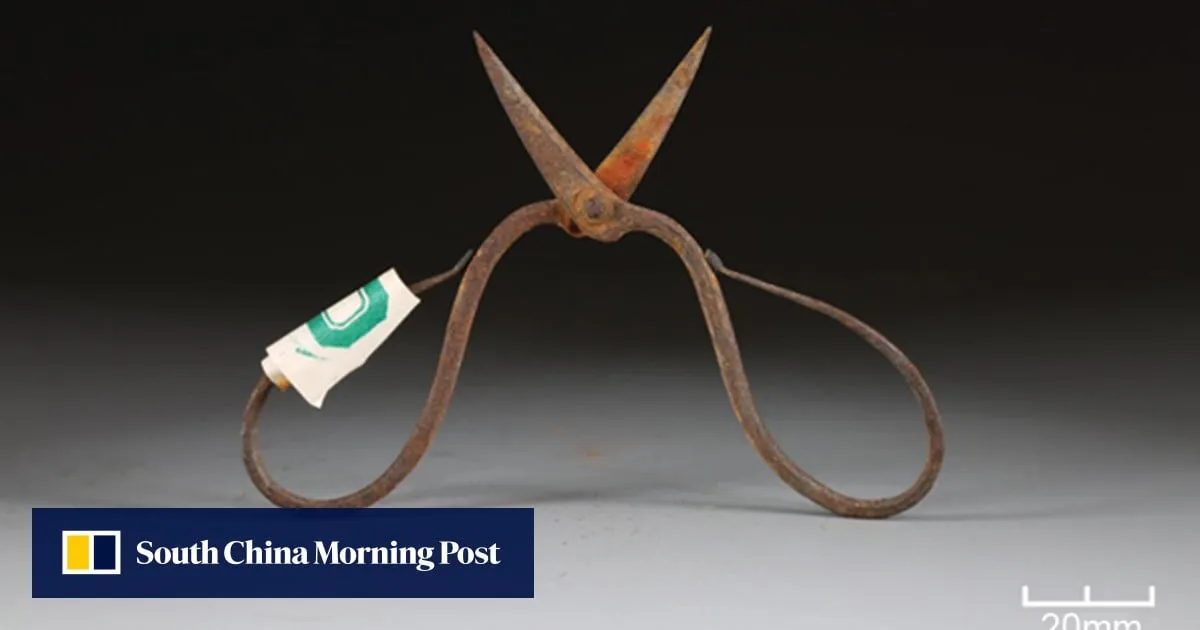
On October 16, 1846, the American dentist William T.G. Morton successfully demonstrated the use of inhaled ether anaesthesia at Massachusetts General Hospital in Boston, an event widely considered a turning point in modern surgery.But this record may have to be rewritten after new evidence emerged that in the 14th century AD, Chinese surgeons were making their own anaesthetics from plants.Their use had previously been recorded in ancient Chinese texts, but now the first physical evidence confirming this has been found.
SRCSouth China Morning Post
LANGEN
LEANCenter-Right
WORDS80
ENT8
MON · 2026-06-01 · 01:00 GMTBRIEF NSR-2026-0601-80720
NSR-2026-0601-80720News Report·EN·Technology
Why a fabled Chinese surgeon’s tomb may help rewrite history of anaesthetic use
New evidence suggests Chinese surgeons were using plant-based anesthetics in the 14th century AD, potentially challenging the widely accepted history of anesthesia. While ancient Chinese texts had previously recorded such practices, the discovery of physical evidence now confirms their use.
Shi HuangSouth China Morning PostFiled 2026-06-01 · 01:00 GMTLean · Center-RightRead · 1 min
South China Morning PostFIG 01
Reading time
1min
Word count
80words
Sources cited
0cited
Entities identified
8entities
Quality score
100%
§ 01
Briefing Summary
AI-generatedNEWSAR · AI
New evidence suggests Chinese surgeons were using plant-based anesthetics in the 14th century AD, potentially challenging the widely accepted history of anesthesia. While ancient Chinese texts had previously recorded such practices, the discovery of physical evidence now confirms their use. This finding emerges in contrast to the 1846 demonstration of inhaled ether anesthesia by American dentist William T.G. Morton at Massachusetts General Hospital, an event long considered the start of modern surgical anesthesia. The unearthed evidence, linked to a fabled Chinese surgeon's tomb, indicates a much earlier development of anesthetic techniques in China.
Confidence 0.85Claims 4Entities 8
§ 02
Article analysis
Model · rule-basedFraming
Technology
Human Interest
Tone
Mixed Tone
AI-assessed
CalmNeutralAlarmist
Factuality
0.80 / 1.00
Factual
LowHigh
Sources cited
0
No named sources
FewMany
§ 03
Key claims
4 extracted01
William T.G. Morton demonstrated inhaled ether anesthesia on October 16, 1846, at Massachusetts General Hospital.
factual
Confidence
1.00
02
Physical evidence confirming the ancient Chinese use of anesthetics has now been found.
factual
Confidence
0.90
03
The use of anesthetics by Chinese surgeons was previously recorded in ancient Chinese texts.
factual
Confidence
0.90
04
New evidence suggests Chinese surgeons used plant-based anesthetics in the 14th century AD, potentially predating Western use.
factual
Confidence
0.90
§ 04
Full report
1 min read · 80 words§ 05
Entities
8 identifiedKey playerOppositionContextPositiveNeutralNegative
Organizations1
§ 06
Keywords & salience
9 termsanaesthetic use
1.00
chinese surgeons
0.90
rewriting history
0.80
inhaled ether anaesthesia
0.70
plant-based anaesthetics
0.70
ancient chinese texts
0.60
physical evidence
0.50
massachusetts general hospital
0.40
william t.g. morton
0.40
§ 07
Topic connections
Interactive graph Network visualization showing 51 related topics
View Full Graph Person Organization Location Event|Click node to navigate|Edge numbers = shared articles